


Confusing Condiment Storage: Ketchup Stays Out, But What About the Rest?
Translated from Korean, summarized and contextualized by DistantNews.
At a glance
News
Sources not specified
Context piece
- Commercially produced ketchup can be stored at room temperature after opening due to its acidity and preservatives.
- Mayonnaise should be refrigerated but not in the coldest parts of the fridge to prevent oil and water separation.
- Sesame oil can be stored at room temperature, while perilla oil requires refrigeration after opening.
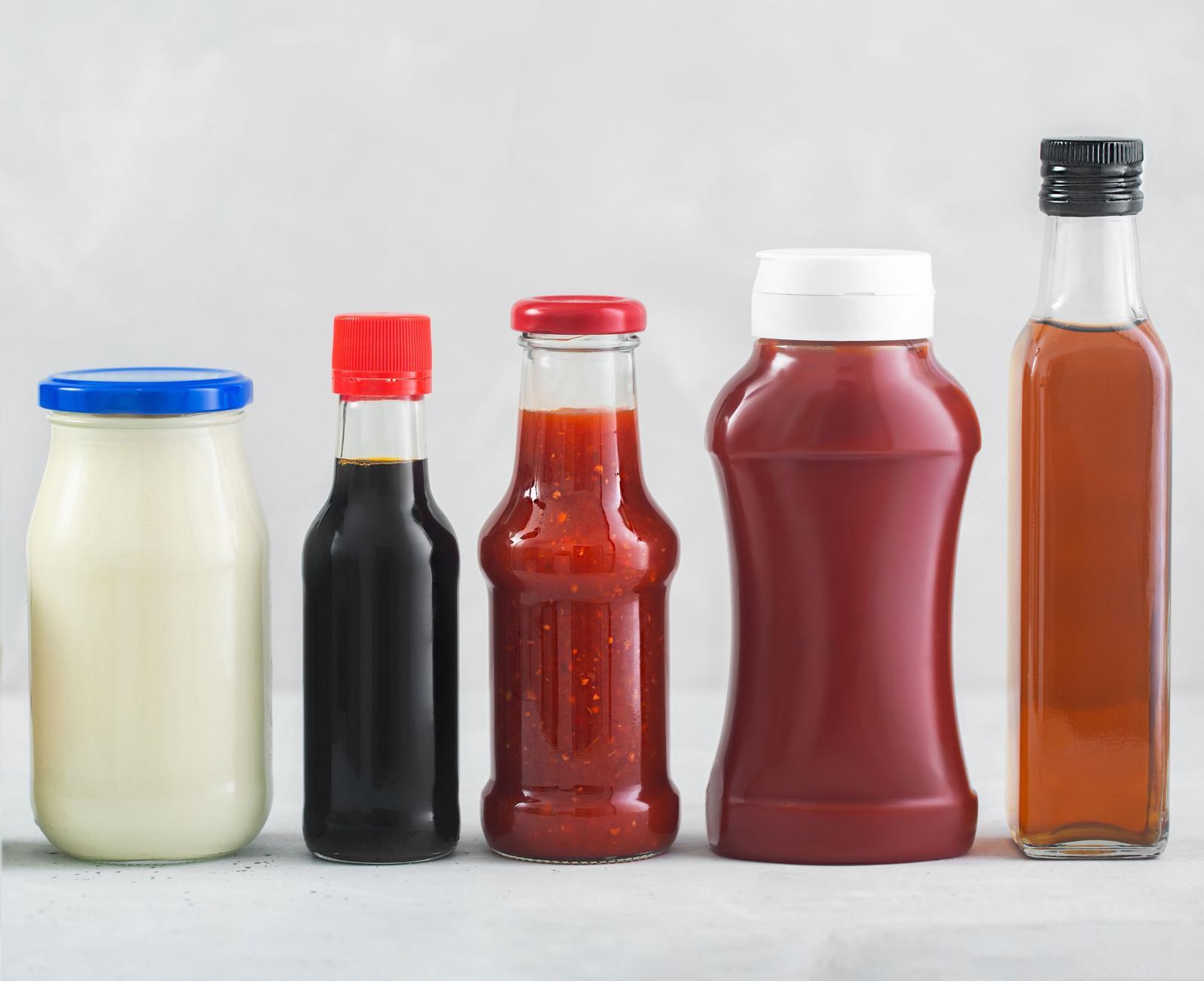
While fast-food restaurants commonly leave ketchup bottles on tables, most households refrigerate leftovers. This difference in storage stems from the fact that commercially produced ketchup, thanks to its tomato acidity and vinegar content, can safely be stored at room temperature after opening. Bacteria do not easily multiply in these conditions.
However, safety and quality are distinct. Storing ketchup at room temperature for extended periods can darken its color and diminish its flavor and viscosity. For typical home use, where consumption is slower than in a restaurant setting, refrigeration helps maintain the ketchup's taste and quality for longer.
Mayonnaise, an emulsion of egg yolk, oil, and vinegar, is generally recommended for refrigeration. Experts advise against storing it in the coldest parts of the refrigerator, as extreme cold can cause the oil and water to separate, affecting its texture. Storing it on a refrigerator door shelf, where temperature fluctuations are less severe, is a more suitable option.
Sesame oil, being relatively resistant to oxidation, can be kept at cool room temperature away from direct sunlight. However, refrigeration is advisable during hot summers or for long-term storage. Perilla oil, on the other hand, oxidizes easily when exposed to air, light, and heat. It is recommended to refrigerate it after opening, and freezing is an option for extended storage. Signs of spoilage in perilla oil include rancid or paint-like odors.
Soy sauce is another staple that can be stored at room temperature due to its high salt content, which inhibits bacterial growth. However, low-sodium or premium, traditionally brewed soy sauces benefit from refrigeration to preserve their aroma and flavor. Jams and oyster sauce should be refrigerated after opening. Jams, despite their sugar content, can develop mold when exposed to air, especially if contaminated with bread crumbs from utensils. Oyster sauce's quality can degrade at room temperature due to its ingredients like oyster concentrate and starch.
DistantNews Editorial
Originally published by Dong-A Ilbo in Korean. Translated, summarized, and contextualized by our editorial team with added local perspective. Read our editorial standards.
More Stories


From Our Blog

What Gets Lost (and Found) When News Is Translated

The Critical Role of Diaspora Media in Global News

What Travellers Should Know About Countries with Restricted Press

A Digital Nomad's Guide to Following Local News

How the Same Story Looks Different in Different Countries
