

Congo's Ebola outbreak began months earlier than declared: WHO
Translated from English, summarized and contextualized by DistantNews.
At a glance
News
Named sources
Ongoing story
- The World Health Organization stated that the current Ebola outbreak in eastern Congo began in February, months before its official declaration in mid-May.
- Sequencing data indicates the outbreak started earlier, with some initial cases misattributed to malaria and typhoid, contributing to delays.
- This outbreak, caused by the rare Bundibugyo virus, is spreading rapidly under challenging conditions, including insecurity and mistrust, and has surpassed the 2014-2016 West Africa outbreak in speed and fatality rate.
The World Health Organization has revealed that the current Ebola outbreak in eastern Congo, the fastest-growing on record, actually began in February, several months before it was officially declared in mid-May. Dr. Mohamed Yakub Janabi, the WHO regional director for Africa, stated that genetic sequencing confirmed the earlier start date.
Janabi explained that some of the initial cases were mistakenly diagnosed as malaria and typhoid. This misdiagnosis contributed to significant delays in identifying and responding to the outbreak, allowing the virus to spread further. "So we are chasing the virus, the virus is ahead of us," Janabi said, highlighting the ongoing struggle to contain the disease.
So we are chasing the virus, the virus is ahead of us.
As of the latest government figures, the outbreak has reached 4,200 confirmed cases, resulting in over 1,900 deaths. This outbreak is particularly concerning because it is caused by the rare Bundibugyo virus, for which there are no approved vaccines or treatments. Early testing for more common Ebola strains also added to the delays in effective response.
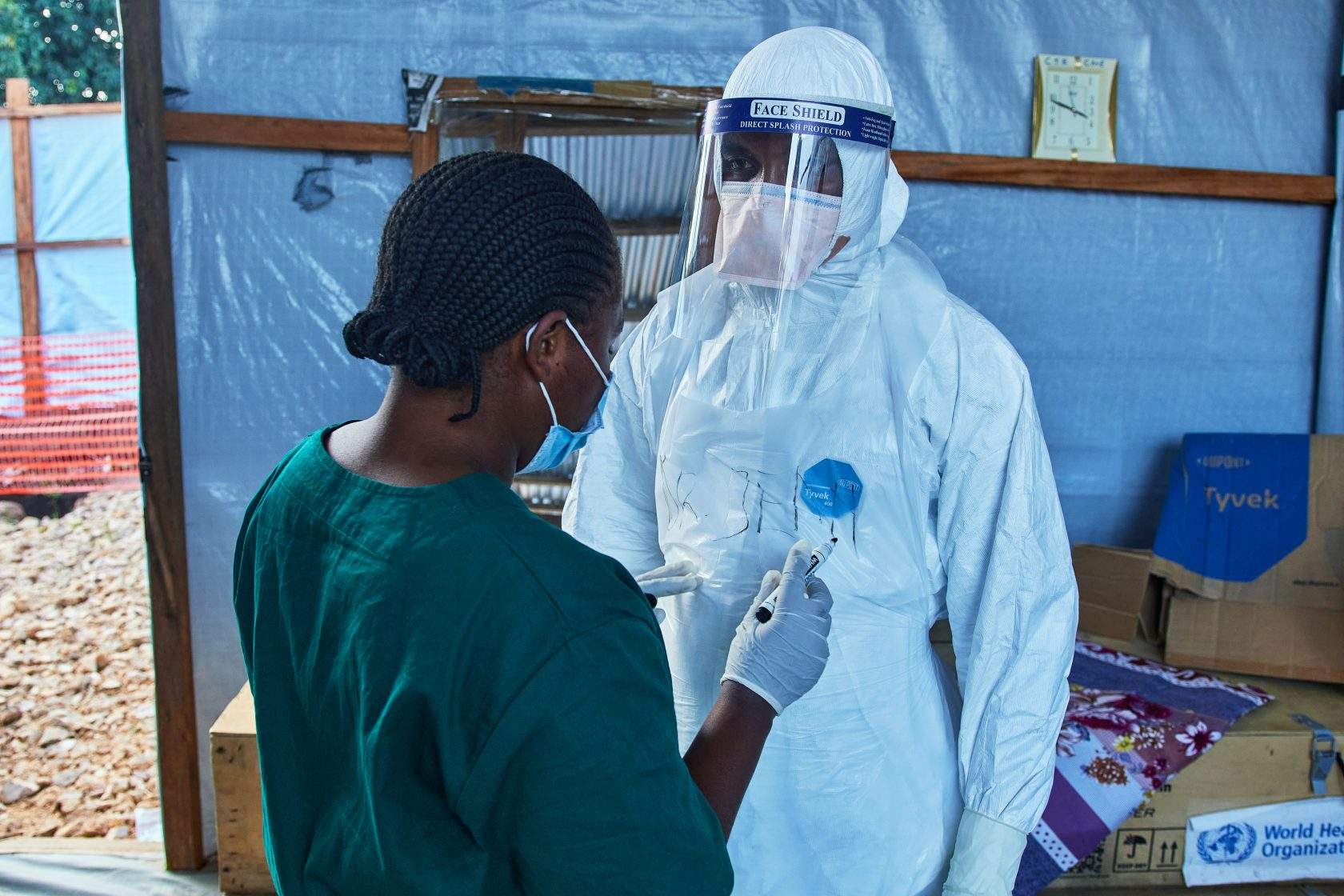
The situation is unfolding in extremely challenging conditions. Responders face threats from rebel groups, anger from communities traumatized by years of conflict, and misinformation that questions the existence of Ebola. Health teams operate in remote areas with poor infrastructure, reporting shortages of protective gear. The large population of displaced people struggles with access to reliable water sources for hygiene, a critical factor in preventing transmission. This outbreak has killed more people at a quicker rate than any previous one, including the 2014-2016 West Africa outbreak, which was the deadliest on record.
So we are chasing the virus, the virus is ahead of us.
DistantNews Editorial
Originally published by Global News in English. Translated, summarized, and contextualized by our editorial team with added local perspective. Read our editorial standards.
More Stories



From Our Blog

What Gets Lost (and Found) When News Is Translated

The Critical Role of Diaspora Media in Global News

What Travellers Should Know About Countries with Restricted Press

A Digital Nomad's Guide to Following Local News

How the Same Story Looks Different in Different Countries
