



Congress digital update drive struggles as large number of 850,000 members stay away
Summarized by DistantNews. Read the original for the full story.
At a glance
News
Sources not specified
Context piece
- The Nepali Congress party's digital membership verification campaign has seen low participation, with only 200,000 of 850,000 members updating their details.
- This slow progress raises concerns about a potential shrinkage in active membership ahead of the party's general convention, amid internal rivalries and disengagement.
- Key party factions, including those aligned with former leaders Sher Bahadur Deuba and Shekhar Koirala, have largely abstained from the campaign, fueling conflict over its purpose and timing.
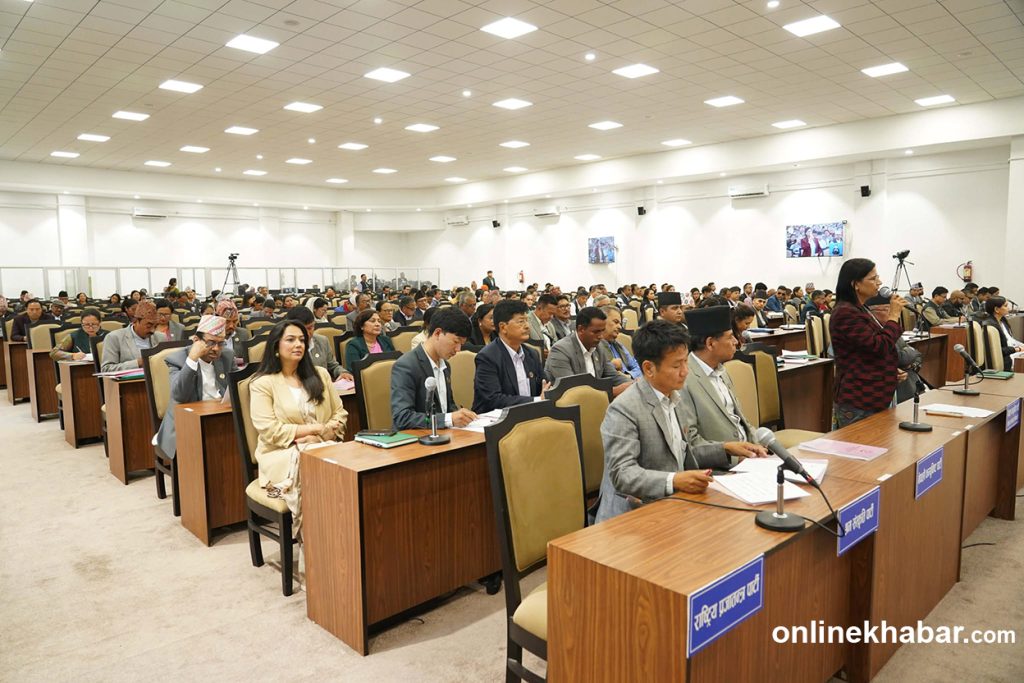
The Nepali Congress party's ambitious digital transformation drive is facing significant headwinds, with its membership verification campaign struggling to gain traction. Launched on April 14, the campaign aims to update the details of the party's 850,000 members but has so far only seen about 200,000 participants. This sluggish progress has fueled concerns that the party's active membership could dwindle considerably before its upcoming general convention.
Only around 200,000 Nepali Congress members have updated their details through the party’s digital verification campaign, raising concerns that the party’s active membership could shrink significantly ahead of its next general convention.
General secretary Pradip Paudel, who is overseeing the campaign, remains optimistic, projecting that around 500,000 members will complete the process by the June 4 deadline. However, the party is grappling with a complex web of internal rivalries, growing member disengagement, and defections to other political outfits. Historically, Bagmati Province has boasted the highest number of active members, while Karnali and Sudurpaschim provinces have lagged. Currently, Madhesh Province shows the lowest update rates, despite its substantial representation at the previous convention, while Lumbini and Gandaki provinces are leading in digital updates.
The verification drive is a critical precursor to the party's central general convention, scheduled for September 25-30. Active members form the bedrock of the party's electoral base, electing delegates who, in turn, choose the central leadership. The process has thus become a major flashpoint for internal conflict.
Despite the slow progress, general secretary Pradip Paudel, who is coordinating the campaign, said he remains confident that around 500,000 members will complete the update process before the deadline.
Prominent figures, including former president Sher Bahadur Deuba and former acting president Purna Bahadur Khadka, along with leader Shekhar Koirala and their aligned factions, have largely boycotted the campaign. This boycott echoes their earlier refusal to participate in the party's special general convention in January. Prakash Sharan Mahat, a leader from the dissident camp, has questioned the necessity of re-verifying details so soon after a membership renewal process completed in January, which saw approximately 500,000 members renew and 150,000 new members join.
Active members form the party’s electoral base. They elect delegates from the ward level, who then vote to choose the central leadership, including the party president.
Paudel insists the current campaign is solely for digitizing existing records, not for issuing new memberships. However, leaders from rival factions suspect the initiative is a strategic move to influence the upcoming general convention by making digital registration mandatory. Many within the Koirala faction and the Khadka-Deuba camp have not only refused to update their membership details but have also continued to conduct parallel party activities outside the official structure, further exacerbating internal tensions.
Because of its direct impact on the party’s internal elections, the digital verification process has become a major source of conflict within the Congress.
About this summary
Originally published by Kathmandu Post. Summarized and contextualized automatically by DistantNews, with a note on how the source frames the story. Not individually reviewed before publishing. How this works.
More Stories


From Our Blog

News in Translation: What Gets Lost, and How We Keep the Framing

Diaspora Media: How Communities Abroad Follow Home

Traveling Where the Press Is Not Free: How to Read the News There

The Digital Nomad's Guide to Local News

The Same Story, Different Countries: How Coverage Changes at the Border
