


Connecting fragmented medical data is the key to unlocking healthcare AI
Translated from Korean and summarized by DistantNews. Read the original for the full story.
At a glance
In-depth
Named sources
New plan
- Healthcare AI can move beyond record summaries only if hospitals and public institutions connect fragmented data and standardize different medical terms and formats.
- South Korea is pursuing integrated biobank, digital information exchange and public healthcare AI infrastructure projects to support research, precision medicine and coordinated care.
- A national symposium will examine interoperability, regional public healthcare and the use of AI to translate clinical records into shared coding systems.
South Korea’s healthcare challenge is not a shortage of data, but the fact that so much of it remains divided. Hospitals hold vast records, images, test results and health-screening information, yet those materials sit across institutions and projects that often use different electronic medical record formats and terminology.
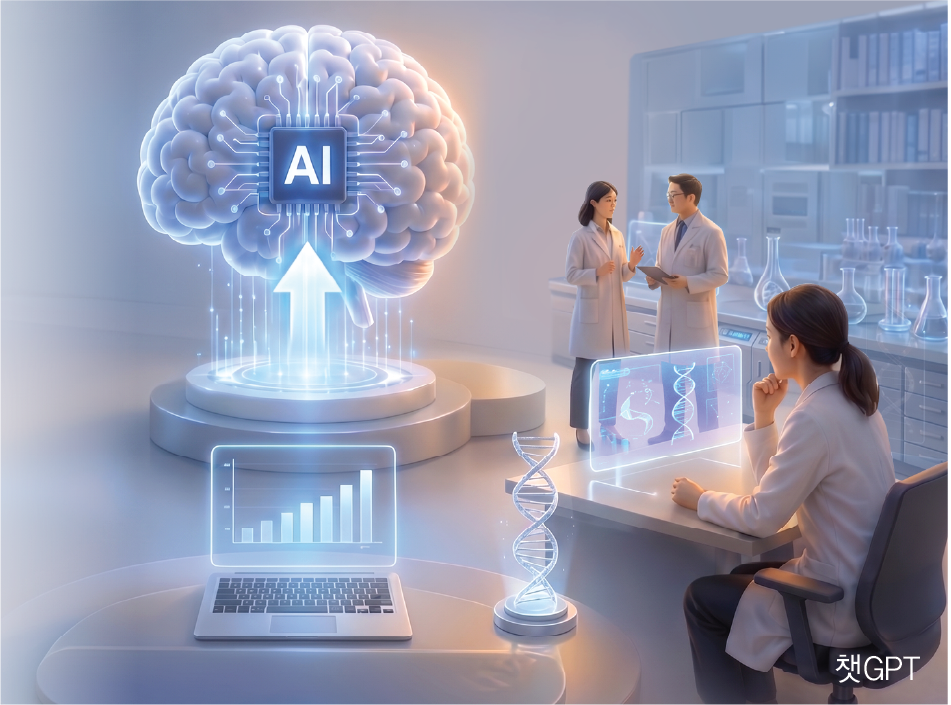
That fragmentation could limit the next stage of medical AI. AI systems may summarize records today, but they are expected to advance toward combining patient information, identifying disease risks, suggesting treatment directions and carrying out multistep tasks. If the data underneath use inconsistent codes and expressions, an AI system may interpret the same condition differently or produce biased results.
The government and the Korea Health Information Service are therefore working on an integrated national biobank platform, a digital medical information exchange system, healthcare data standardization and public medical AI infrastructure. The goal is not simply to collect more information. It is to connect clinical records, genomic data, lifestyle information and physical measurements so they can support research and care.
The Korea Health Information Service will hold its annual symposium in Seoul on September 10 and 11 under the theme “From Connection to Innovation: The Future of the Digital Transformation of Healthcare AI.” Sessions will cover the national integrated biobank, Britain’s UK Biobank, and systems that allow patients and medical institutions to use information held across multiple providers. With patient consent, connected records could reduce repeated explanations and tests when people change hospitals and help clinicians review medical histories, examinations and medications together.
The program also addresses the risk that digital gains remain concentrated in large hospitals. Regional public hospitals face outdated systems and staff shortages, while AI-native electronic records raise questions about which functions can become shared infrastructure. A second-day focus will be interoperability, including links between AI and ICD-11 and the use of generative AI to convert clinicians’ narrative notes into SNOMED CT terms and codes. The article notes that accurate conversion could improve compatibility without greatly increasing documentation work, although the excerpt ends while discussing the risks of AI misunderstanding context.
The healthcare paradigm in 2026 will move from AI directed by people to AI that plans and acts on its own.
About this summary
Originally published by Hankyoreh in Korean. Translated, summarized, and contextualized automatically by DistantNews, with a note on how the source frames the story. Not individually reviewed before publishing. How this works.
More Stories


From Our Blog

What Gets Lost (and Found) When News Is Translated

The Critical Role of Diaspora Media in Global News

What Travellers Should Know About Countries with Restricted Press

A Digital Nomad's Guide to Following Local News

How the Same Story Looks Different in Different Countries
