


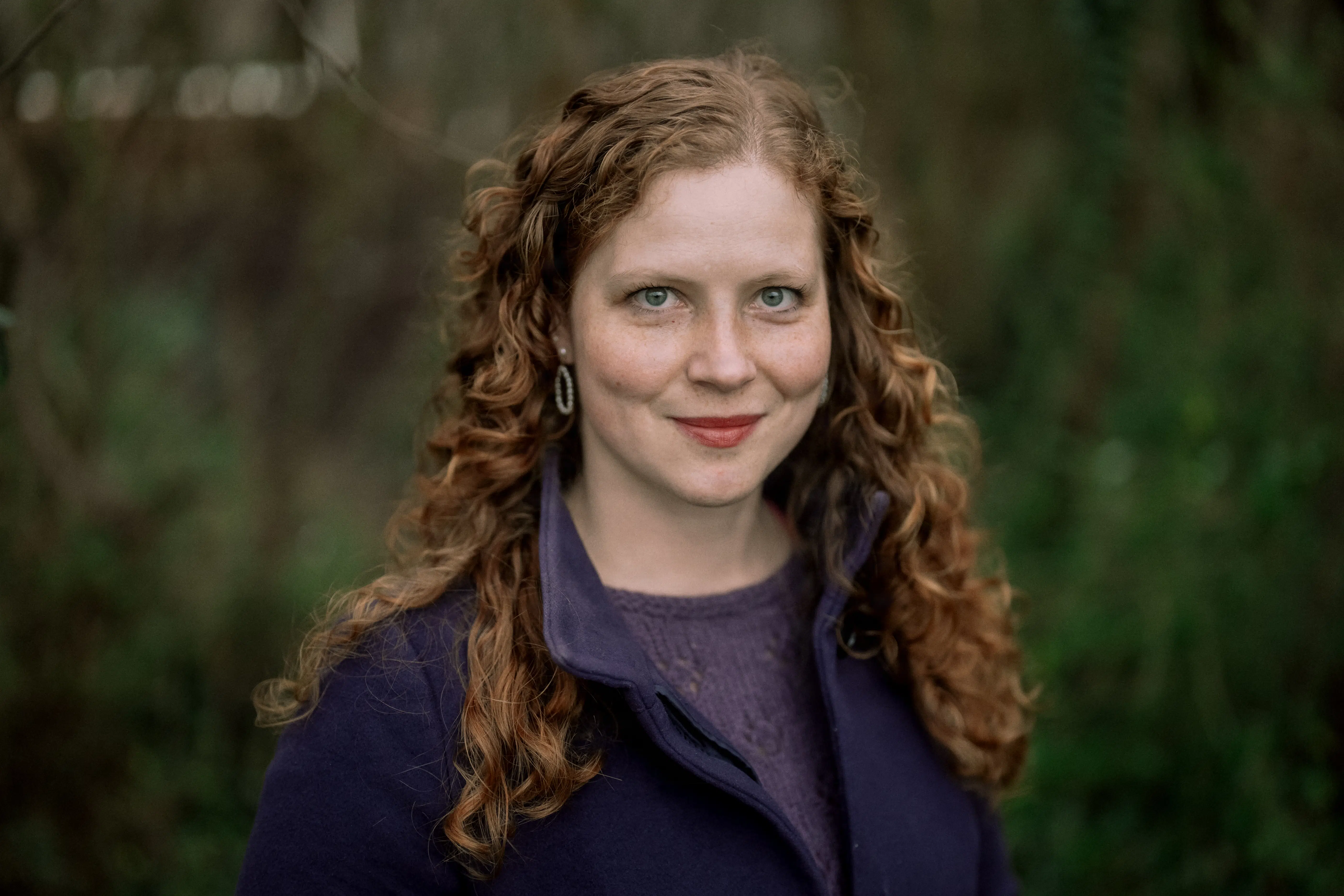
Conservative values are much more than a superficial lactose debate and economic moderation
Translated from Danish, summarized and contextualized by DistantNews.
At a glance
Opinion
Sources not specified
Context piece
- A Danish politician argues that conservative values encompass more than just economic moderation and simple debates.
- She states that many women, particularly those aged 30-45 with young children, feel alienated by the current conservative discourse.
- The author calls for a more relatable and inclusive conservatism that addresses the everyday concerns of these voters.
Isabella Arendt, writing in Berlingske, argues that the conservative movement is failing to connect with a significant demographic: women aged 30 to 45 with young children. She contends that these women, who she identifies with as part of the "impossible target group," are not inherently opposed to conservative values but are turned off by what she perceives as a narrow focus on issues like economic restraint and superficial debates.
We are many who are bourgeois at heart. But we miss a conservatism that is close to everyday life.
Arendt asserts that true conservative values, freedom, responsibility, and respect for individuals and families, are being overshadowed. She expresses a personal sense of disconnect, stating that she and other women like her are "bourgeois at heart" but find the current conservative platform lacking in everyday relevance. This disconnect, she suggests, leads to these women being overlooked or miscategorized as inherently progressive voters.
We are apparently impossible for conservatives to reach.
The article highlights a perceived gap between the core tenets of conservatism and its practical application in political discourse. Arendt calls for a more grounded and accessible form of conservatism that resonates with the lived experiences of potential voters, particularly mothers, urging the movement to broaden its appeal beyond niche issues and embrace a more inclusive approach.
Conservative values are freedom and responsibility, respect for the human being and the family.
DistantNews Editorial
Originally published by Berlingske in Danish. Translated, summarized, and contextualized by our editorial team with added local perspective. Read our editorial standards.
More Stories

From Our Blog

What Gets Lost (and Found) When News Is Translated

The Critical Role of Diaspora Media in Global News

What Travellers Should Know About Countries with Restricted Press

A Digital Nomad's Guide to Following Local News

How the Same Story Looks Different in Different Countries
