


Constant thirst signals potential kidney distress, experts warn
Translated from Korean, summarized and contextualized by DistantNews.
At a glance
News
Named sources
Context piece
- Excessive sweating in hot weather can lead to dehydration, potentially harming kidney function.
- Experts advise replenishing fluids and electrolytes, especially for vulnerable groups like children and the elderly.
- Maintaining proper hydration is crucial for kidney health, particularly for individuals with chronic conditions.
Feeling constantly thirsty, especially during hot summer months, can be a warning sign from your kidneys. While sweating releases not only water but also small amounts of electrolytes like salt, experts emphasize the importance of replenishing both fluids and essential nutrients.
Losing too much fluid and electrolytes can disrupt the body's delicate balance, potentially leading to dehydration. In severe cases, this can reduce blood flow to the kidneys, causing acute kidney injury. This is why sports drinks and electrolyte beverages are often recommended to help restore what is lost through sweat.
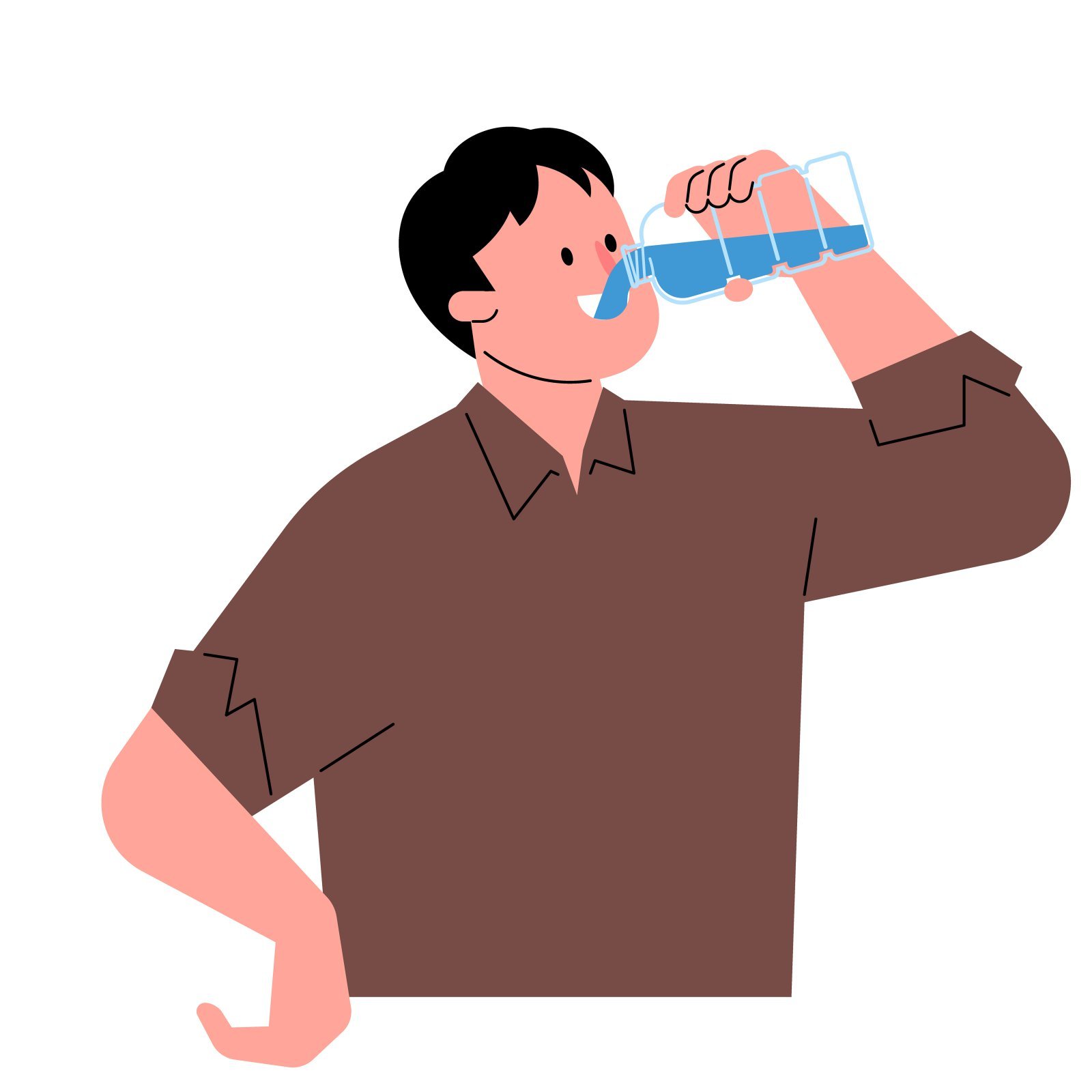
Drinking enough water before feeling thirsty is one of the preventive measures that can protect kidney health during the hot summer months.
Medical professionals advise that developing a habit of drinking enough water before feeling thirsty is a key preventive measure for kidney health. Special attention is needed for vulnerable populations, including children, the elderly, and individuals managing chronic diseases such as kidney disease, diabetes, or high blood pressure. For these groups, proper hydration and diligent kidney health management are paramount.
Children and the elderly who are vulnerable to dehydration, as well as those with chronic conditions like chronic kidney disease, diabetes, and high blood pressure, need to pay more attention to proper hydration and kidney health management.
DistantNews Editorial
Originally published by Dong-A Ilbo in Korean. Translated, summarized, and contextualized by our editorial team with added local perspective. Read our editorial standards.
More Stories



From Our Blog

What Gets Lost (and Found) When News Is Translated

The Critical Role of Diaspora Media in Global News

What Travellers Should Know About Countries with Restricted Press

A Digital Nomad's Guide to Following Local News

How the Same Story Looks Different in Different Countries
