

Constitutional Court Suspends Agreement for Community Consultation on Palo Viejo Hydroelectric Dam
Translated from Spanish, summarized and contextualized by DistantNews.
At a glance
News
Named sources
In the courts
- Guatemala's Constitutional Court suspended a Ministry of Energy and Mines agreement calling for a community consultation on the Palo Viejo hydroelectric project.
- The suspension affects the Ixil Maya people of San Juan Cotzal, Quiché, regarding the project's potential impacts.
- The court's decision, based on a provisional amparo, halts a process intended to ensure indigenous rights and participation in resource development.
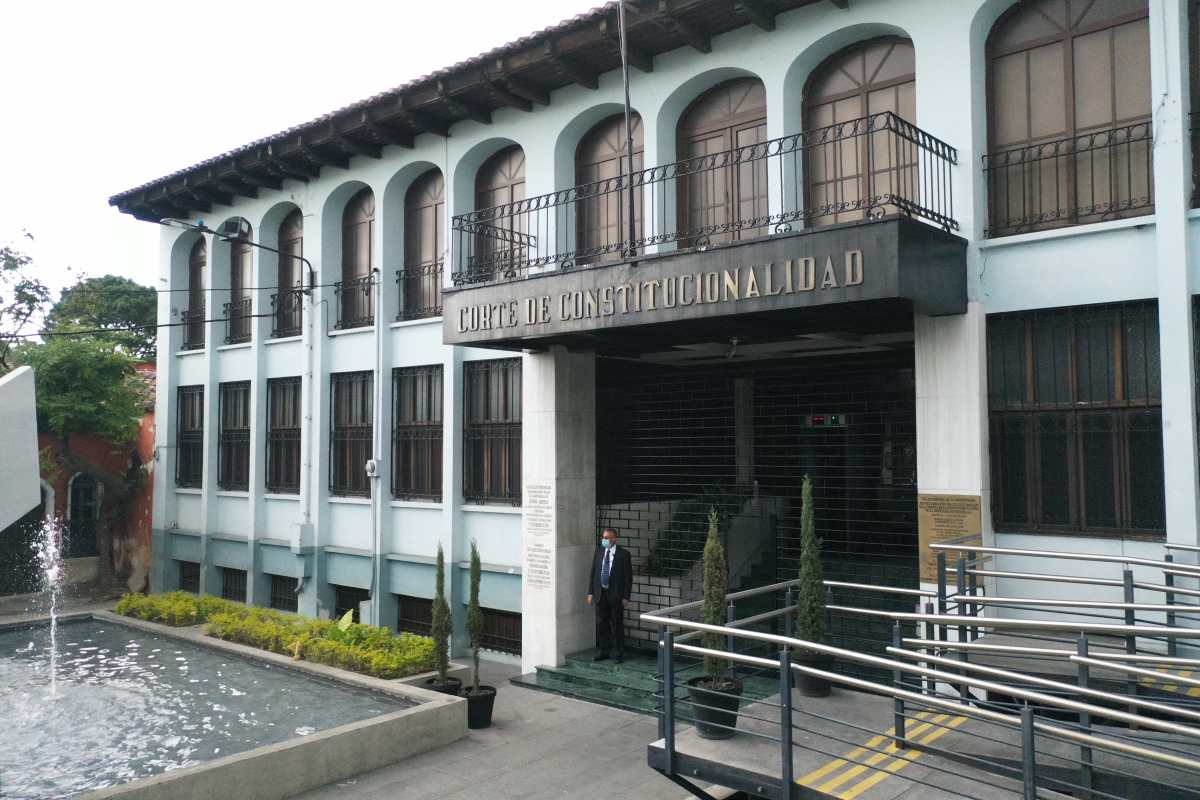
Guatemala's Constitutional Court has suspended a ministerial agreement that mandated a community consultation for the Palo Viejo hydroelectric project. The decision halts a process designed to gather input from the Ixil Maya people of San Juan Cotzal, Quiché, regarding the project's implications.
The suspended agreement, ministerial agreement 145-2026, was published on April 27 and aimed to uphold the Ixil Maya people's right to express their opinions and reach binding agreements on the consequences, risks, mitigation, reparations, compensation, or benefit-sharing derived from the hydroelectric plant's installation and operation.
The Palo Viejo hydroelectric plant began operations in 2012. The consultation was initiated in accordance with International Labour Organization Convention 169, which requires consulting indigenous peoples about projects that utilize resources within their territories. The court's suspension came after a provisional amparo was granted to Empresa Agrícola San Francisco Cotzal, Sociedad Anónima; Agrícola Cafetalera Palo Viejo, Sociedad Anónima; and José Antonio Sánchez Boche.
The consultation aims to restore the right of the Maya-Ixil people to express their opinion and reach binding agreements on the consequences, risks, mitigation, repair, compensation, or participation in benefits derived from the installation and operation of the Palo Viejo hydroelectric project.
The court's ruling was made by a majority vote, with titular judges Roberto Molina Barreto, Dina Ochoa, and Julia Rivera voting in favor of the suspension. Presiding judge Astrid Lemus and substitute judge María Jocholá voted against it. Constitutional Court President Annabella Morfín, appointed by the Executive Branch which supported the consultation, did not participate in the vote.
This is not the first legal challenge concerning indigenous consultations. The Constitutional Court is also reviewing a similar action filed by the Association of Renewable Energy Generators, which questions both the Ministry of Energy and Mines and President Bernardo Arévalo. That case, though initially agreed to be resolved in favor of the amparo by a majority, was withdrawn from the agenda pending final signatures.
The consultation must be prior, that is, carried out before the adoption or execution of the measure likely to directly affect the peoples.
DistantNews Editorial
Originally published by Prensa Libre in Spanish. Translated, summarized, and contextualized by our editorial team with added local perspective. Read our editorial standards.
More Stories


From Our Blog

What Gets Lost (and Found) When News Is Translated

The Critical Role of Diaspora Media in Global News

What Travellers Should Know About Countries with Restricted Press

A Digital Nomad's Guide to Following Local News

How the Same Story Looks Different in Different Countries
