


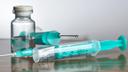
Contagious Measles Reaches Croatia as Two Zagreb Cases Are Confirmed
Translated from Croatian and summarized by DistantNews. Read the original for the full story.
At a glance
News
Named sources
Under investigation
- Zagreb’s Dr. Fran Mihaljević Clinic confirmed two epidemiologically linked measles cases in adults, one moderate and one mild.
- Croatia’s public health institute is investigating the patients and their contacts; the primary case is linked to time spent in Kosovo.
- The clinic said two MMR vaccine doses provide about 97% protection and urged people to check their vaccination status before travelling to areas with rising cases.
Two adults in Zagreb have been diagnosed with measles in epidemiologically linked cases, and one of them is connected to a stay in Kosovo, where the number of infections has risen.
The cases were confirmed at the Dr. Fran Mihaljević Clinic for Infectious Diseases. One patient has a moderately severe form of the illness, while the other has a milder case. Croatia’s Institute of Public Health is tracing the patients and their contacts and will compile the full epidemiological picture after that work is complete.
The clinic stressed that measles spreads extremely easily through the air, including respiratory particles released when an infected person coughs or sneezes. About 90% of people without immunity become infected after contact with someone who has measles.
Symptoms include fever, coughing, a runny nose, conjunctivitis and a rash that begins on the face before spreading across the body. Adults can develop severe illness requiring hospital treatment. Complications include ear infections, diarrhoea and pneumonia. Encephalitis, or inflammation of the brain, affects about one in 1,000 patients and can cause lasting neurological damage. Young children, adults, pregnant women and people with weakened immune systems face higher risks.
The clinic said vaccination remains the most effective protection. Two doses of the measles, mumps and rubella vaccine provide long-term protection and are about 97% effective at preventing measles. People who are unvaccinated or have not received the recommended number of doses were advised to contact their family doctor or an epidemiology service, especially before travelling to areas reporting increased infections.
About this summary
Originally published by Večernji List in Croatian. Translated, summarized, and contextualized automatically by DistantNews, with a note on how the source frames the story. Not individually reviewed before publishing. How this works.
More Stories


From Our Blog

What Gets Lost (and Found) When News Is Translated

The Critical Role of Diaspora Media in Global News

What Travellers Should Know About Countries with Restricted Press

A Digital Nomad's Guide to Following Local News

How the Same Story Looks Different in Different Countries
