


Controversial Figure Kim Woo-seok Elected to Lead KCSC Telecommunications Subcommittee
Translated from Korean, summarized and contextualized by DistantNews.
TLDR
- Kim Woo-seok, a standing member of the Korea Communications Standards Commission (KCSC), has been elected as the chairman of the Subcommittee on Telecommunications.
- Kim faced controversy during the Yoon Suk-yeol administration for allegedly biased 심의 (deliberation/review) against critical reporting, including a case involving Newstapa.
- Critics argue that Kim's appointment perpetuates the KCSC's past practices, despite the commission's stated aim of independence and reform.
The recent election of Kim Woo-seok as the chairman of the Subcommittee on Telecommunications within the Korea Communications Standards Commission (KCSC) is a deeply troubling development, raising serious questions about the commission's commitment to impartiality and reform. As reported by Hankyoreh, Kim's tenure during the Yoon Suk-yeol administration was marked by accusations of politically motivated 심의 (deliberation/review), particularly targeting critical media outlets like Newstapa. His involvement in sanctioning reports critical of the government, and his role in establishing a 'fake news deliberation center,' have cast a long shadow over his credibility.
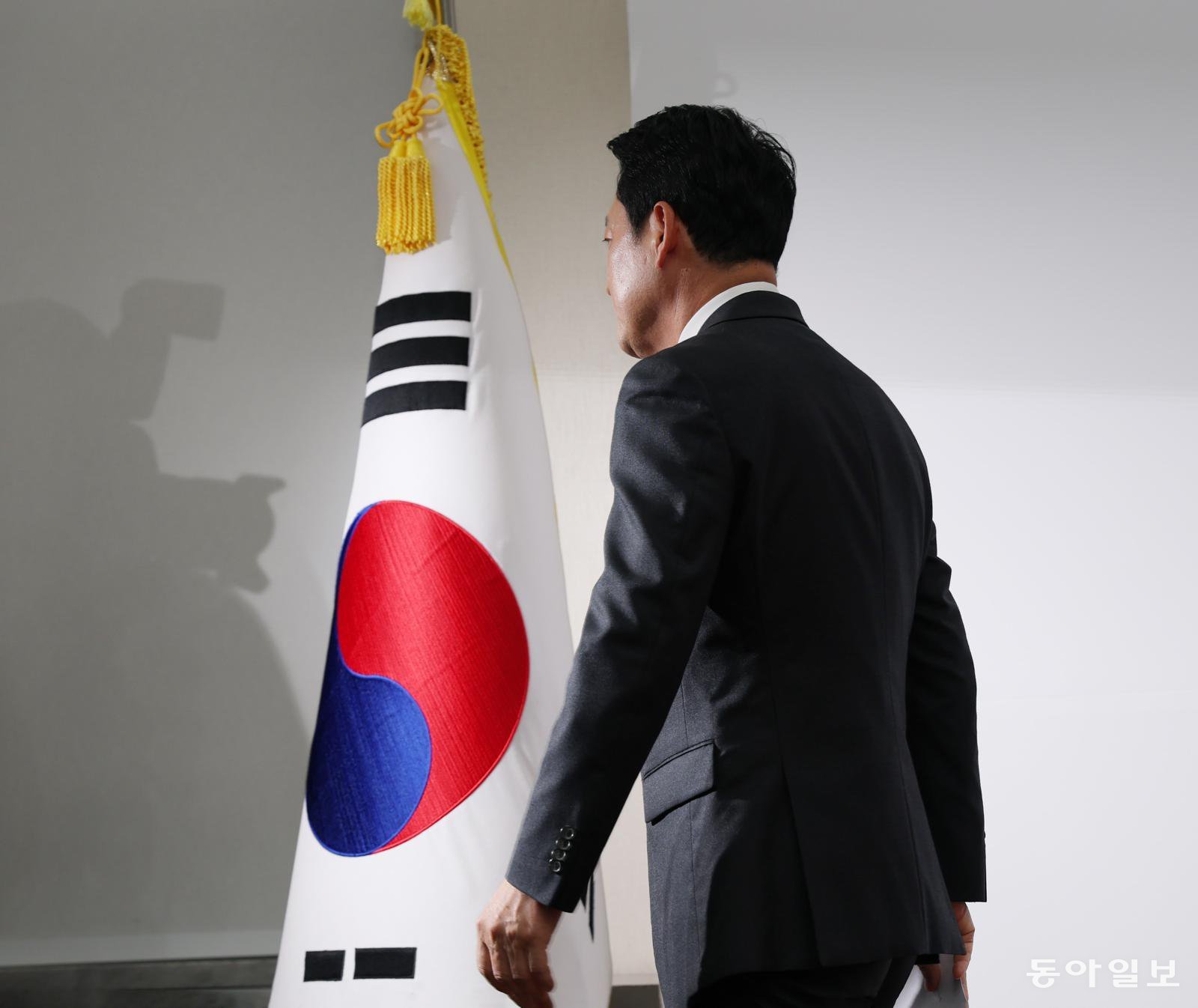
Kim Woo-seok is stepping down.
Despite a public apology for his past actions during the KCSC's inaugural meeting, Kim's subsequent election to a key leadership position has been met with strong opposition from media unions and staff. Their demand for his resignation from the subcommittee chairmanship highlights a widespread perception that the KCSC is failing to break free from its previous patterns of behavior. This situation is particularly concerning given the KCSC's mandate to operate as an independent, civilian body, a principle emphasized during its formation after the previous administration.
The appointment also raises concerns about adherence to established practices versus genuine merit. The KCSC's structure, with specific roles traditionally assigned to standing members, appears to have taken precedence over selecting the most suitable candidate for the subcommittee chairmanship. This reliance on past conventions, rather than a critical evaluation of suitability, is seen by critics as a failure to adapt and improve. Furthermore, the appointment of Vice Chairperson Kim Min-jeong, whose spouse works for MBC, has also drawn criticism for potential conflicts of interest, though she has defended her position based on legal compliance.
Why is the KCSC, in its first term, so bound by past precedents that are not even stipulated in the regulations?
From our perspective at Hankyoreh, this situation underscores a critical need for the KCSC to move beyond mere procedural adherence and engage in a fundamental re-evaluation of its practices. Instead of rigidly following past precedents, the commission should critically examine whether those precedents served the public interest. The concentration of power within standing members for subcommittee chair positions also warrants scrutiny, as it may limit opportunities for non-standing members and create unnecessary hierarchies. True reform requires a willingness to challenge established norms and prioritize transparency, fairness, and genuine independence in media oversight.
Such measures only widen the gap between non-standing members who have fewer resources and less authority.
DistantNews Editorial
Originally published by Hankyoreh in Korean. Translated, summarized, and contextualized by our editorial team with added local perspective. Read our editorial standards.
More Stories


From Our Blog

What Gets Lost (and Found) When News Is Translated

The Critical Role of Diaspora Media in Global News

What Travellers Should Know About Countries with Restricted Press

A Digital Nomad's Guide to Following Local News

How the Same Story Looks Different in Different Countries
