


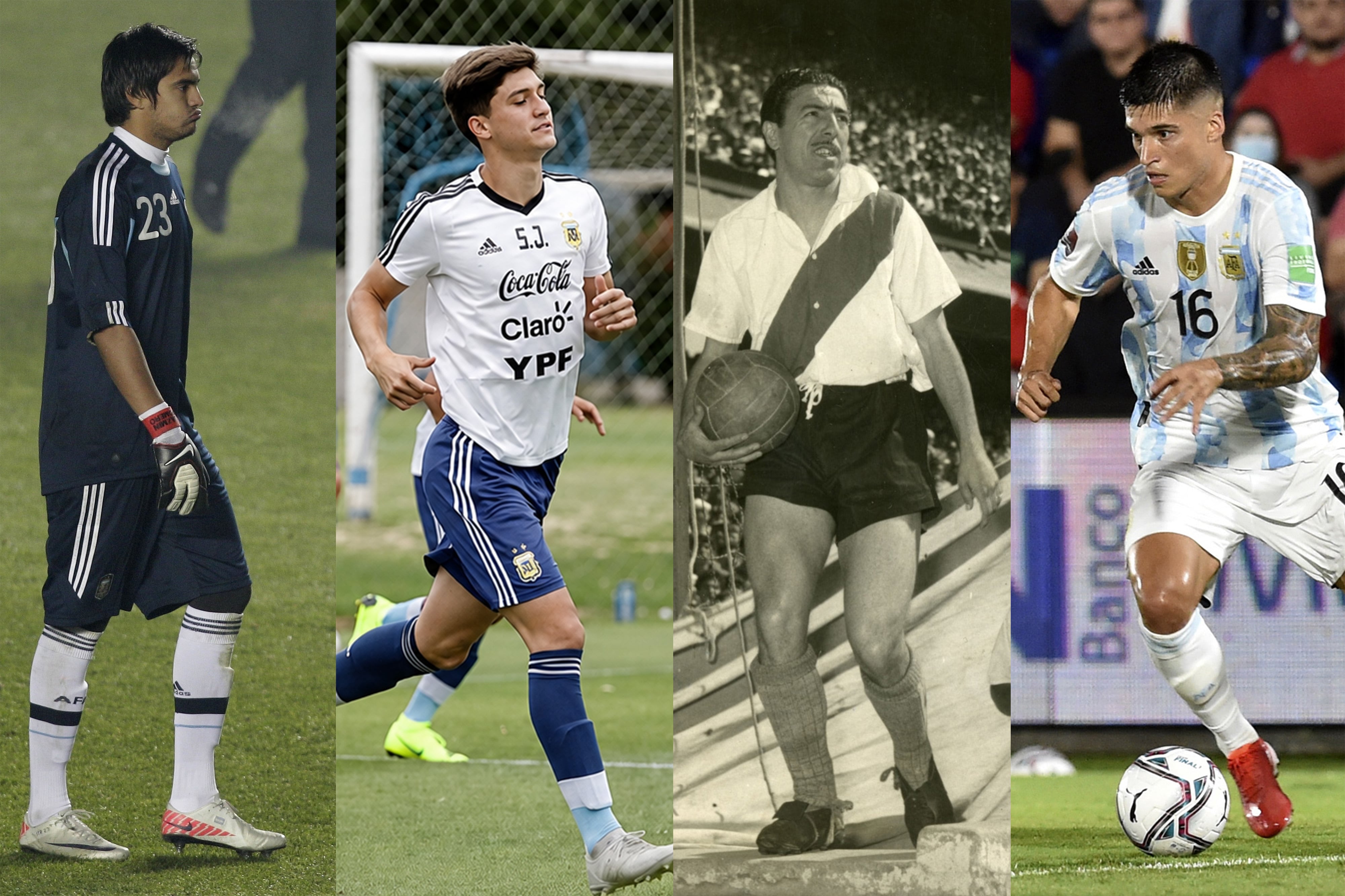
Controversial World Cup squad changes: A 40-year-old 'soldier' and other dramatic call-ups
Translated from Spanish, summarized and contextualized by DistantNews.
At a glance
In-depth
Sources not specified
Context piece
- Argentina's 2026 World Cup squad selection faced controversy, including a 39-year-old player being called up due to an injury.
- The most resonant case involved Ángel Labruna, a legendary player who had retired from international duty but was recalled.
- Labruna's inclusion highlighted the desperation for experienced players and the challenges of squad selection in the face of injuries.
The selection process for Argentina's 2026 World Cup squad has been marred by controversy, with one of the most talked-about cases involving the late call-up of a veteran player due to injury. Leonardo Balerdi suffered a torn muscle just before Argentina's debut, mirroring Manuel Lanzini's experience in 2018 when he was replaced by Enzo Pérez due to a ligament rupture. Such last-minute changes, while not unprecedented, often spark debate.
One particularly resonant case from the past involved Ángel Labruna in 1958. The legendary player, then 39 years old, had initially retired from international duty, citing physical and moral reasons in a letter to the AFA. He was also dealing with an injury at the time. However, when Roberto Zárate suffered a severe knee injury just before the World Cup, coach Guillermo Stábile turned to Labruna, whom he trusted implicitly.
The national team needs an old soldier.
Labruna, who was four months shy of his 40th birthday, was described as a "veteran soldier" needed by the team. His inclusion was surprising, given his prior retirement and age, but he expressed his lifelong dream of playing in a World Cup. The situation underscored the pressure on national teams to fill squad gaps, especially when key players are injured close to major tournaments.
This incident, along with other contentious squad decisions, highlights the high stakes and emotional toll involved in international football. The "soldier" metaphor used for Labruna reflects the perceived need for experienced, resilient players, even if they are past their prime, when facing the ultimate competition.
I was surprised, but when called upon, I have to be at the disposal of those who lead our national team. I always hoped to be in a World Cup. It was the dream of my life. The moment arrived when I least expected it.
DistantNews Editorial
Originally published by La Nación in Spanish. Translated, summarized, and contextualized by our editorial team with added local perspective. Read our editorial standards.
More Stories

From Our Blog

What Gets Lost (and Found) When News Is Translated

The Critical Role of Diaspora Media in Global News

What Travellers Should Know About Countries with Restricted Press

A Digital Nomad's Guide to Following Local News

How the Same Story Looks Different in Different Countries
