


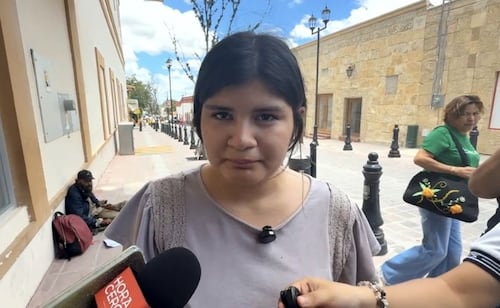
Controversy Over Student's Coin Toss Selection at World Cup Opening Match
Translated from Spanish, summarized and contextualized by DistantNews.
At a glance
News
Sources not specified
Context piece
- A student from CETis 71 in Reynosa, Mexico, was chosen to flip a coin at the 2026 World Cup opening match, sparking controversy.
- A classmate claims the chosen student, Estrella Analí Mora Reyes, did not contribute to the project that earned the opportunity, while the project's creator was overlooked.
- The school stated the selection was made by Coca-Cola, the official sponsor, based on specific criteria including age, while the project's creator is seeking recognition for her work.
The selection of a CETis 71 student from Reynosa, Tamaulipas, to perform the coin toss at the opening match of the 2026 World Cup has ignited controversy. While Estrella Analí Mora Reyes represented the school, the student who spearheaded the technological project that secured the opportunity, Tapne Alexandra Basurto Román, expressed deep disappointment and distress over being overlooked.
Basurto Román alleges that Mora Reyes was not involved in the development of the "Braille Care" project, which aims to assist visually impaired children through a braille-learning teddy bear. She further claims that their teacher, Delia Aurora Miranda Reyes, did not verify a key requirement: that participants must be under 18 years old. Basurto Román, who is 18, stated that the director refused to show any official communication confirming this age restriction, despite her and her disabled colleague Jonathan Roberto Yañez's significant contributions to the project.
The CETis 71 administration has distanced itself from the selection, asserting that the choice was made directly by Coca-Cola, the official tournament sponsor. According to the school, the organizers' rules stipulated that only one team member could be selected and had to meet specific criteria, including an age range of 13 to 17 years. This explanation contradicts Basurto Román's account regarding the age requirement and her exclusion. The project's creator is now appealing to federal authorities, feeling it is unjust that her team's hard work was not properly recognized, and hopes to prevent similar situations in the future.
Yo tengo 18 años y la directora nunca quiso mostrarnos algún correo electrónico o notificación donde se indicara que era requisito ser menor de edad. Se le dijo a la maestra que Estrella nunca estuvo involucrada en el proyecto, que no ayudó y aún así la enviaron.
DistantNews Editorial
Originally published by El Universal in Spanish. Translated, summarized, and contextualized by our editorial team with added local perspective. Read our editorial standards.
More Stories
From Our Blog

What Press Freedom Means for the News You Read

What Gets Lost (and Found) When News Is Translated

The Critical Role of Diaspora Media in Global News

What Travellers Should Know About Countries with Restricted Press

A Digital Nomad's Guide to Following Local News
