

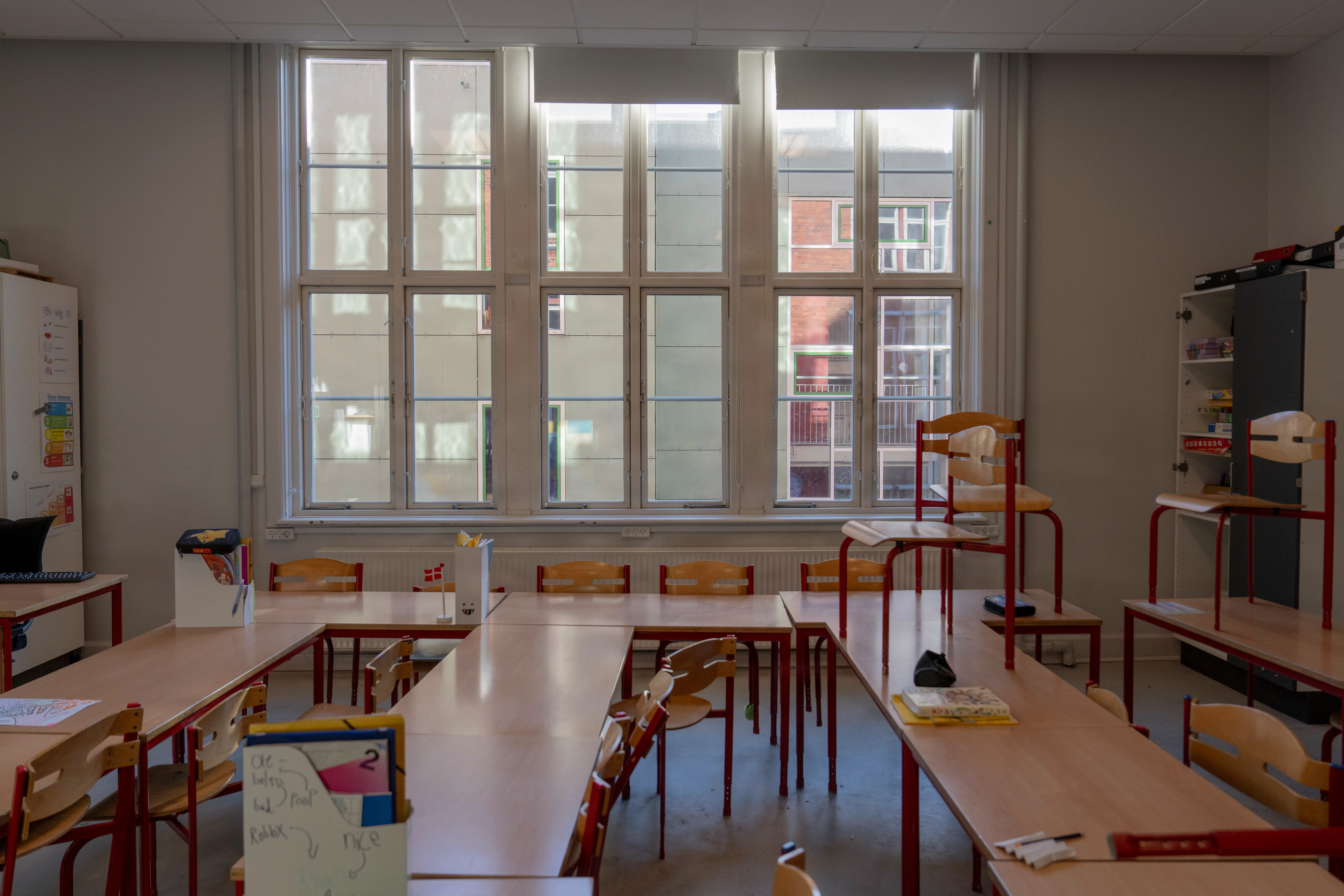

Copenhagen Shifts Focus From Skateboards to Walkers, Adapting City for Seniors
Translated from Danish and summarized by DistantNews. Read the original for the full story.
At a glance
News
Sources not specified
Context piece
- Copenhagen is shifting its urban planning focus from youth-oriented facilities to the needs of its growing elderly population.
- The city is re-evaluating its public spaces, which currently cater heavily to younger residents with playgrounds and sports areas.
- This change reflects a demographic shift and aims to make the city more accessible and accommodating for seniors.
Copenhagen is pivoting its urban development strategy to prioritize the needs of its aging population, moving away from a focus on youth-centric amenities. The city, currently abundant with playgrounds, street basketball courts, and activity zones designed for younger residents, is now directing its attention toward an expanding demographic: the elderly.
This strategic shift acknowledges the changing demographics of the capital. While specific plans are not detailed, the intent is clear: to adapt public spaces and infrastructure to better serve seniors. This move signals a broader recognition of the importance of inclusivity in urban planning, ensuring that all age groups can comfortably and actively participate in city life.
The initiative aims to create an urban environment that is not only functional but also fosters a sense of belonging for older residents. By re-evaluating existing spaces and considering new designs, Copenhagen seeks to become a more age-friendly city, reflecting a growing global trend in urban planning that emphasizes the needs of all citizens, regardless of age.
About this summary
Originally published by Berlingske in Danish. Translated, summarized, and contextualized automatically by DistantNews, with a note on how the source frames the story. Not individually reviewed before publishing. How this works.
More Stories


From Our Blog

News in Translation: What Gets Lost, and How We Keep the Framing

Diaspora Media: How Communities Abroad Follow Home

Traveling Where the Press Is Not Free: How to Read the News There

The Digital Nomad's Guide to Local News

The Same Story, Different Countries: How Coverage Changes at the Border
