


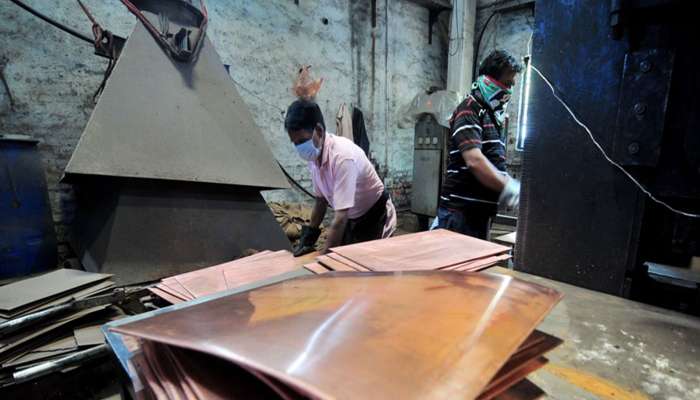
Copper supply may face 25% deficit by 2035 despite record prices: IEA
Summarized and contextualized by DistantNews.
At a glance
News
Sources not specified
Context piece
- Global primary copper supply could face a 25% deficit by 2035, even with record prices, due to inadequate new project development, according to the International Energy Agency (IEA).
- Copper is a strategically vital metal used across energy, transport, construction, data centers, and defense sectors.
- Challenges to increasing supply include declining ore grades, rising capital costs, slowing discovery rates, and project delays, alongside near-term risks like limited sulfuric acid availability.
The world may face a significant shortfall in primary copper supply by 2035, with the International Energy Agency (IEA) projecting a potential 25% deficit. This looming shortage persists despite copper prices reaching record highs, primarily because the pace of developing new mining projects is insufficient to meet projected demand.
Based on the project pipeline, global primary copper supply could face a 25 per cent deficit in 2035 under today's policy settings.
Copper is identified as a critically important metal, essential for numerous key sectors including energy, transportation, construction, data centers, and defense. However, bringing new mining operations online presents substantial challenges. The IEA report highlights that under current policy settings, the supply deficit is a realistic prospect for 2035.
The average grade of copper mines worldwide has fallen by 40 per cent since 1991, increasing project complexity and capital costs.
A key obstacle to expanding copper supply is the declining quality of copper ore. Worldwide, the average grade of copper mines has fallen by 40% since 1991, leading to increased complexity and higher capital expenditures for projects. Furthermore, the capital intensity for expanding existing mines has risen by 65% since 2020, approaching the costs typically associated with entirely new greenfield projects.
The average capital intensity for expanding existing projects (brownfield) has also increased by 65% since 2020, approaching levels typically associated with new greenfield projects.
Adding to supply concerns, the discovery of new copper deposits has slowed dramatically, with only 5% of all copper deposits found in the last 35 years located in the past decade. The IEA also points to significant delays and cost overruns in several major copper projects, which have tightened the market for copper concentrate and raised alarms about supply security. Near-term risks include a shortage of sulfuric acid, a critical component for solvent extraction-electrowinning copper production, further complicating the market outlook.
Coupled with slower-than-expected recoveries from disruptions at major mines and an already tight market, the copper market faces a strong set of near-term challenges.
DistantNews Editorial
Originally published by Times of Oman. Summarized and contextualized by our editorial team with added local perspective. Read our editorial standards.
More Stories
From Our Blog

What Gets Lost (and Found) When News Is Translated

The Critical Role of Diaspora Media in Global News

What Travellers Should Know About Countries with Restricted Press

A Digital Nomad's Guide to Following Local News

How the Same Story Looks Different in Different Countries
