


Costa Defends EU's Direct Contact Attempts with Kremlin Amidst Criticism
Translated from Danish, summarized and contextualized by DistantNews.
At a glance
News
Named sources
Context piece
- EU President António Costa defended his attempt to establish a direct communication channel with the Kremlin, despite criticism from some EU leaders.
- Costa argued that the EU needs its own contact with Russia to convey messages and understand Russian positions, emphasizing that the EU supports Ukraine.
- Some leaders, including Germany's Friedrich Merz, believe that the E3 (Germany, France, UK) should handle any potential negotiations, as Ukraine has requested their involvement.
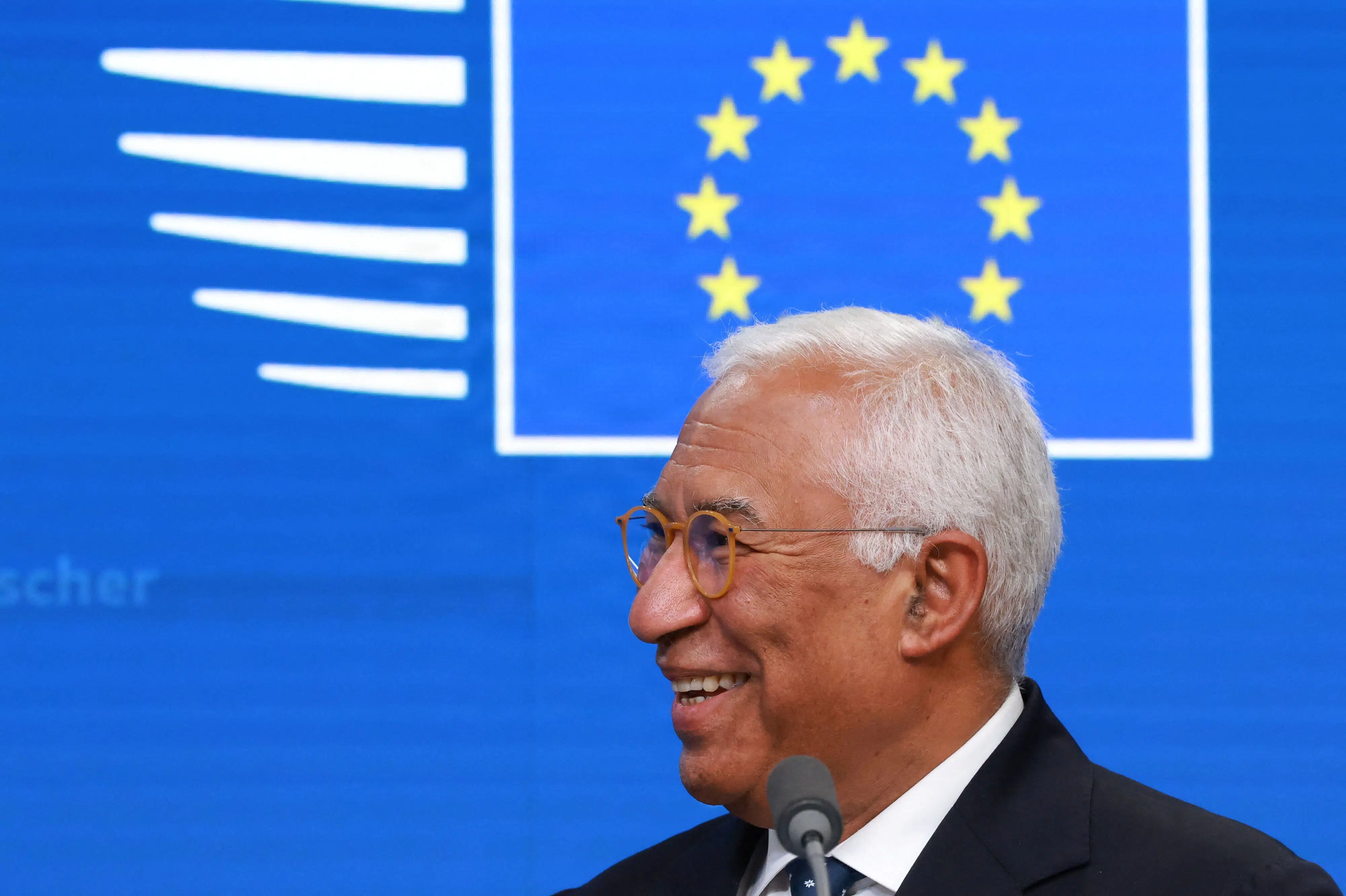
European Council President António Costa has defended his efforts to open a direct communication channel with the Kremlin, a move that has drawn criticism from several EU leaders. At a press conference following the EU summit, Costa argued for the necessity of the EU maintaining its own dialogue with Russia.
"It is necessary that the EU has its own contact with Russia," Costa stated, explaining that the bloc cannot rely solely on others to interpret Russian messages and must also be able to communicate its own positions directly. He reiterated that the EU is unequivocally on Ukraine's side and does not aim to act as a mediator in the conflict. Costa acknowledged that there are currently no credible signs from Russia indicating a willingness to engage in serious peace negotiations.
Despite Costa's defense, some leaders expressed reservations. German Chancellor Friedrich Merz suggested that the E3 group, Germany, France, and the United Kingdom, should be the primary entity for any potential negotiations. Merz noted that the E3 was formed at Ukraine's request and that these countries are making significant contributions to Ukraine's support. He indicated that the E3 countries are expected to bear the main responsibility for security guarantees to Ukraine post-war, implying that decisions on who represents Europe in negotiations are not immediately necessary.
DistantNews Editorial
Originally published by Berlingske in Danish. Translated, summarized, and contextualized by our editorial team with added local perspective. Read our editorial standards.
More Stories



From Our Blog

What Gets Lost (and Found) When News Is Translated

The Critical Role of Diaspora Media in Global News

What Travellers Should Know About Countries with Restricted Press

A Digital Nomad's Guide to Following Local News

How the Same Story Looks Different in Different Countries
