

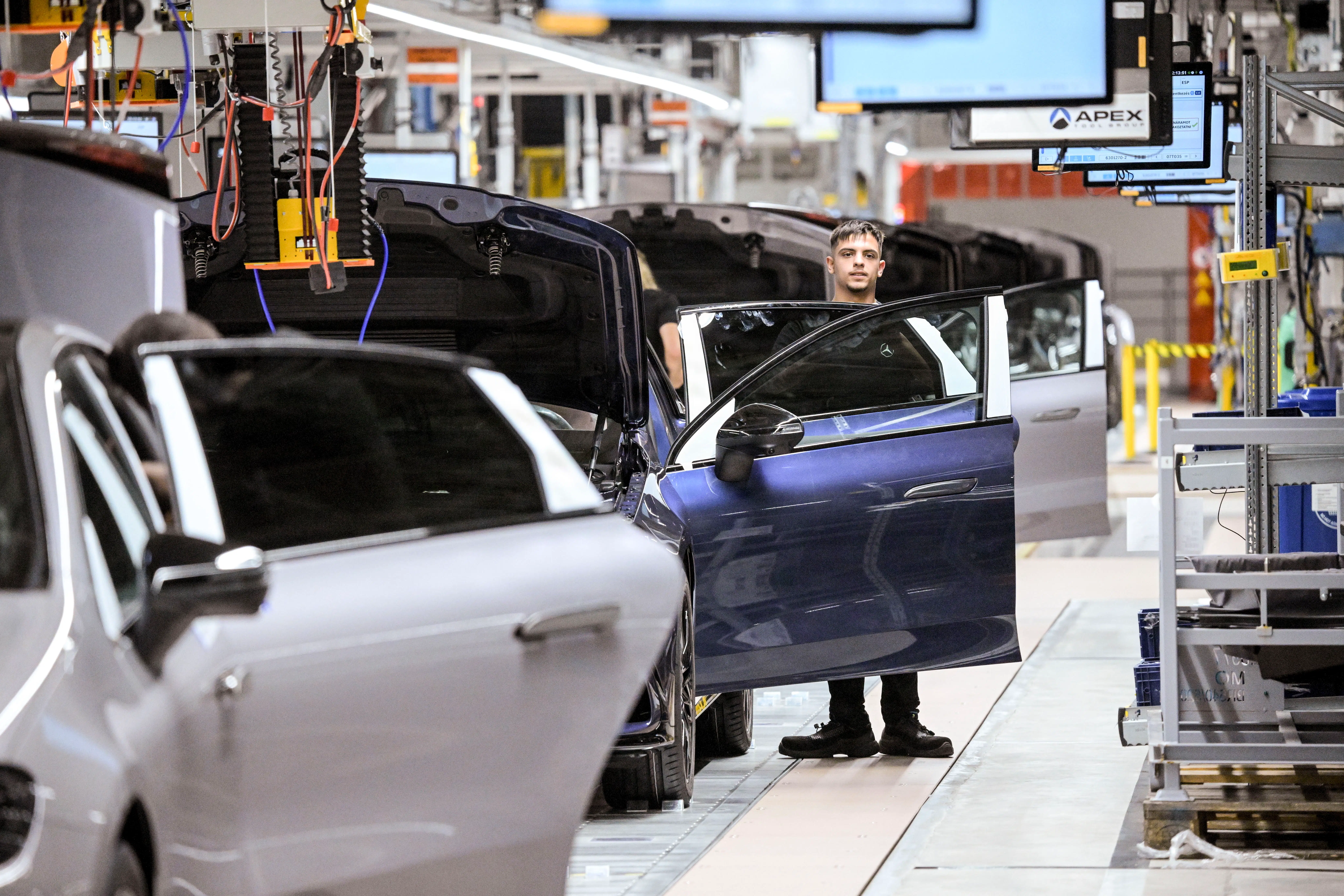

Costa seeks to pressure EU countries into a key budget deal in October
Translated from Danish and summarized by DistantNews. Read the original for the full story.
At a glance
News
Named sources
Ongoing story
- European Council President António Costa wants EU leaders to agree in October on new revenue sources for the bloc’s next long-term budget.
- The European Commission has proposed directing 30% of carbon-charge revenues to the EU budget and introducing a climate tariff on polluting goods.
- Businesses oppose the measures, while governments must weigh higher national contributions against cuts to proposed EU spending.
The clock is running down on the European Union’s ambition to agree on its next long-term budget before Christmas. With less than four months before the deadline, European Council President António Costa wants leaders to settle the question of new EU revenue sources at their October summit in Brussels.
Our main priority is to agree on new types of own resources as early as October.
The proposed charges, tariffs and taxes are known in EU terminology as “own resources.” Because the EU cannot levy taxes itself, all member states must agree unanimously before national governments can collect the money and transfer it to Brussels.
Costa says an October agreement would show how much each country must contribute and what the next budget can support. He is pressing governments to accept the European Commission’s proposal, which would send 30% of carbon-charge revenues directly to the EU budget instead of leaving them with member states. The Commission also wants a climate tariff on polluting products such as steel, cement and aluminium, with most of the proceeds going to the EU.
Then we can see how much we need to ask each member state to contribute, and what we can expect from the next budget.
European businesses have criticized the plan, saying the new charges could damage their ability to compete globally. If governments reject it, Costa says they face two uncomfortable choices: increase national payments to Brussels or abandon some budget priorities.
I do not believe that we can limit our ambitions toward our citizens, our businesses, our farmers and our societies. That is not a good alternative.
Danish Prime Minister Mette Frederiksen wants more money for defence and competitiveness. Other countries are seeking increased agricultural support and cohesion funds for the EU’s poorest regions. Costa says national budgets are already under pressure, with the Commission forecasting that 22 of the 27 member states will end the year with deficits. Ireland, which currently holds the EU presidency, is working on a compromise proposal.
All national budgets are under pressure. Some more than others. That is why we must find new own resources that can finance the EU without putting additional pressure on national budgets.
About this summary
Originally published by Berlingske in Danish. Translated, summarized, and contextualized automatically by DistantNews, with a note on how the source frames the story. Not individually reviewed before publishing. How this works.
More Stories


From Our Blog

What Gets Lost (and Found) When News Is Translated

The Critical Role of Diaspora Media in Global News

What Travellers Should Know About Countries with Restricted Press

A Digital Nomad's Guide to Following Local News

How the Same Story Looks Different in Different Countries
