



Could Article 5 die on the Danube? A scenario in which Russia strikes Romania and America hesitates
Translated from Romanian and summarized by DistantNews. Read the original for the full story.
At a glance
Analysis
Named sources
Context piece
- A U.S. strategic war game imagined Russia attacking Moldova before a Russian drone struck a fuel depot in NATO member Romania, causing civilian casualties.
- Participants reportedly judged that U.S. public opinion might not support a firm military response, raising questions about the credibility of NATO’s Article 5 commitment.
- The scenario was fictional, but it involved current and former U.S. lawmakers, military officials, diplomats and intelligence representatives.
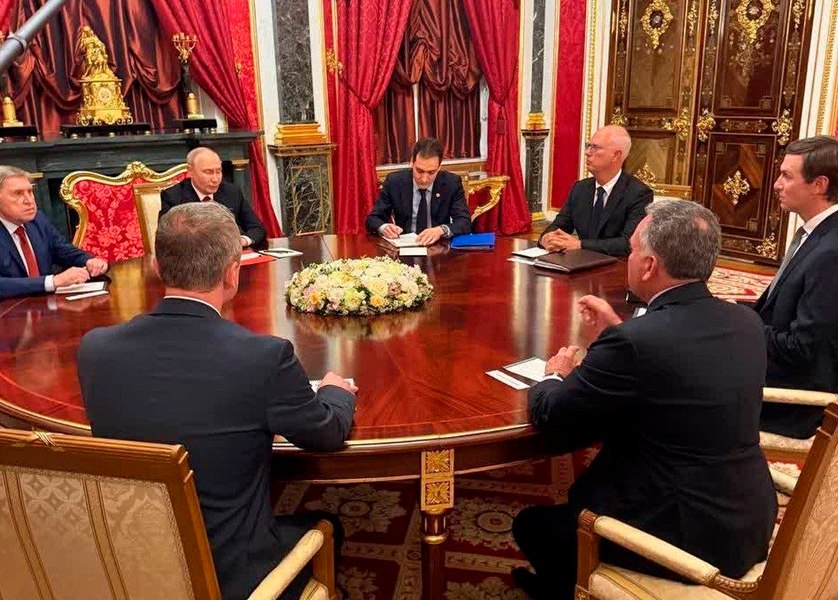
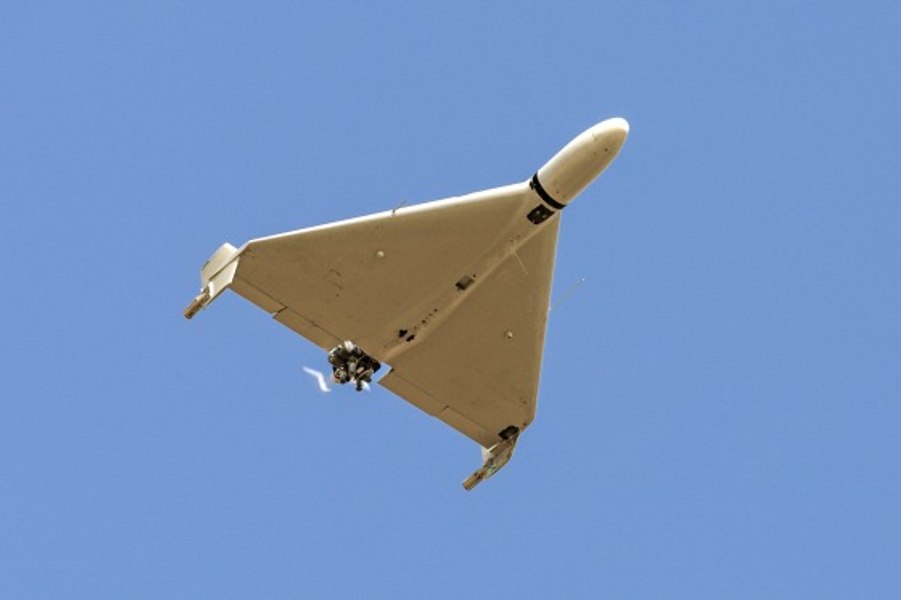
A Russian drone strikes a fuel depot in Romania, civilians are killed and Moldova is under attack. Romania is a NATO member, yet Washington hesitates. That is the unsettling scenario described in a recent American strategic war game.
The exercise imagined events two years in the future, with the war in Ukraine locked in a bloody stalemate. Russia, seeking to further fracture Europe and test the Western alliance, attacks Moldova. The conflict then crosses the Prut River. A drone hits Romania, and the crisis becomes a test not only of Moldova’s security but of NATO and the credibility of the United States.
The simulation took place under the auspices of Cornell University’s Brooks School of Public Policy and the Rockefeller Foundation. Washington Post columnist David Ignatius attended on Aug. 31, while the participants remained anonymous. They included sitting members of the U.S. Congress, former military officials, diplomats and former intelligence community representatives, people who could resemble those involved in real deliberations in Washington.
The response produced by the exercise was restrained and cautious, far less decisive than public rhetoric about defending “every inch” of NATO territory might suggest. Ignatius openly said that this possibility frightened him: in a real crisis, Washington could react as it did in the war game.
The lawmakers taking part believed American public opinion would not support a forceful military response to such an incident. That exposes the gap between the political obligation of Article 5 and the military response each ally chooses. The treaty does not require every member to respond in exactly the same way or automatically use force. The scenario’s central question is what happens when Russia does not attack Romania with a tank division, but with one drone, or two, in an incident ambiguous enough to make Washington hesitate.
Every inch
About this summary
Originally published by Adevărul in Romanian. Translated, summarized, and contextualized automatically by DistantNews, with a note on how the source frames the story. Not individually reviewed before publishing. How this works.
More Stories
From Our Blog

News in Translation: What Gets Lost, and How We Keep the Framing

Diaspora Media: How Communities Follow News From Home

Traveling Where the Press Is Not Free: How to Read the News There

The Digital Nomad's Guide to Local News

The Same Story, Different Countries: How Coverage Changes at the Border
