



Could Sudan’s Conflict Become a Regional War?
Summarized by DistantNews. Read the original for the full story.
At a glance
Analysis
Named sources
Ongoing story
- Growing cross-border strikes, accusations and military movements have raised fears that Sudan’s war could spread into a regional conflict involving Chad, Ethiopia and other neighboring states.
- U.S. adviser Massad Boulos warned the U.N. Security Council that the spillover could deepen the war and threaten regional peace and stability.
- A U.N. fact-finding mission said foreign weapons, fighters, military technology and supply networks were prolonging the conflict, although countries accused of supporting the Rapid Support Forces denied the allegations.
Fears that Sudan’s war could become a regional conflict are no longer limited to warnings from outside observers. Cross-border strikes and accusations between Sudan and Chad, along with military movements near the Ethiopian border, have intensified concern that the fighting is spreading beyond Sudan.
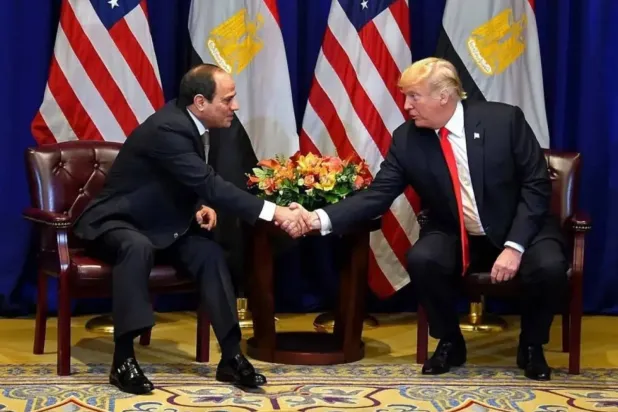
Massad Boulos, the U.S. president’s senior adviser for Arab and African affairs, brought those concerns to the U.N. Security Council. After reports of a military strike inside Chad, Boulos spoke with Chadian President Mahamat Idriss Deby. They expressed “deep concern about the war in Sudan spilling across its borders, fueling further escalation and threatening regional peace and stability,” while calling for an end to outside support for the warring parties.
The warning reflects a U.S. assessment that the risks are real and growing, the article argues. Washington’s intelligence capabilities allow it to monitor military movements, weapons and drone routes, as well as cross-border networks. The administration has not publicly disclosed all the information behind its assessment.
deep concern about the war in Sudan spilling across its borders, fueling further escalation and threatening regional peace and stability
More than three years after the war began, the conflict is no longer simply an internal struggle between Sudan’s army and the paramilitary Rapid Support Forces. Fighting has reached areas bordering Chad and Ethiopia, while increasingly sophisticated weapons have expanded the stakes. Sudan has become the center of a conflict shaped by the calculations of neighboring governments and the interests of regional and international powers.
The U.N. Fact-Finding Mission said weapons, military technology, fighters and external supply networks were helping prolong the war and strengthen both sides. It described a cross-border network involving individuals, entities and countries that it said supplied the RSF with weapons, equipment, logistical support and foreign personnel. The countries named denied the accusations, saying they remained neutral and supported peace efforts. The mission said its investigation into outside support for Sudan’s army remained at an early stage.
Sudanese researcher Kholood Khair told the Financial Times in April that the war had “spread across the Red Sea, the Horn of Africa and the Sahel,” and that none of Sudan’s seven neighbors was entirely insulated from its effects. Alan Boswell of the International Crisis Group has likewise argued that the war is dividing the region and increasing polarization among neighboring countries, although the supplied article ends before completing his assessment.
spread across the Red Sea, the Horn of Africa and the Sahel
About this summary
Originally published by Asharq Al-Awsat. Summarized and contextualized automatically by DistantNews, with a note on how the source frames the story. Not individually reviewed before publishing. How this works.
More Stories

From Our Blog

News in Translation: What Gets Lost, and How We Keep the Framing

Diaspora Media: How Communities Follow News From Home

Traveling Where the Press Is Not Free: How to Read the News There

The Digital Nomad's Guide to Local News

The Same Story, Different Countries: How Coverage Changes at the Border
