


Court Administration Chief Considered New Nominee for Supreme Court Vacancy Amid Deadlock
Translated from Korean, summarized and contextualized by DistantNews.
At a glance
News
Sources not specified
Under investigation
- The head of the Court Administration and Management Office (CAMO) confirmed considering a new recommendation for a Supreme Court justice nominee.
- This move aimed to break a seven-month deadlock in appointing a successor to former Justice Noh Tae-ak.
- The plan faced opposition from some candidates, leading to the eventual nomination of Son Bong-ki.
The head of the Court Administration and Management Office (CAMO) has revealed that a new recommendation process for a Supreme Court justice nominee was considered to resolve a seven-month stalemate. The deadlock concerned the appointment of a successor to former Supreme Court Justice Noh Tae-ak.
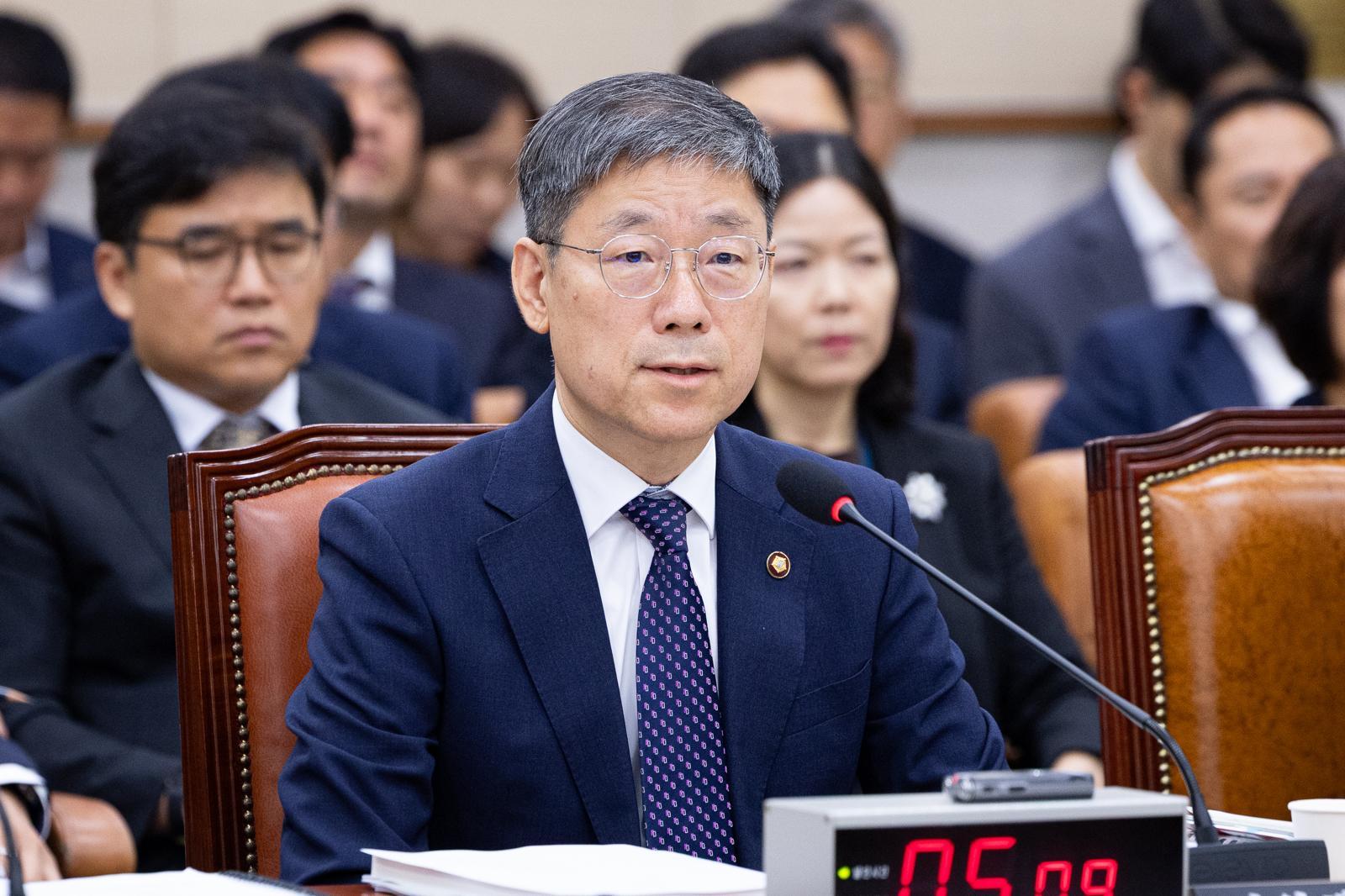
CAMO chief Roh Kyung-pil stated that he contacted all four shortlisted candidates, including Son Bong-ki, to gauge their willingness to be re-recommended. This unprecedented step was taken to overcome the impasse. However, the plan to seek new recommendations was met with opposition from some of the candidates, ultimately preventing its full implementation.
I made a phone call, but I never told them to resign.
Despite the internal discussions and the opposition encountered, Roh confirmed that one of the candidates, Son Bong-ki, a presiding judge at the Daegu District Court, was eventually nominated. Roh clarified that while he did speak with the candidates about the possibility of a new recommendation process, he did not demand any resignations, contrary to some reports.
The situation highlights the complexities and potential political sensitivities involved in judicial appointments in South Korea. The seven-month delay underscores the challenges in reaching consensus among stakeholders, even when seeking to fill a critical vacancy on the nation's highest court.
There was an idea to go through a new recommendation process. I thought it was possible if all the recommended candidates agreed.
DistantNews Editorial
Originally published by Dong-A Ilbo in Korean. Translated, summarized, and contextualized by our editorial team with added local perspective. Read our editorial standards.
More Stories



From Our Blog

What Gets Lost (and Found) When News Is Translated

The Critical Role of Diaspora Media in Global News

What Travellers Should Know About Countries with Restricted Press

A Digital Nomad's Guide to Following Local News

How the Same Story Looks Different in Different Countries
