


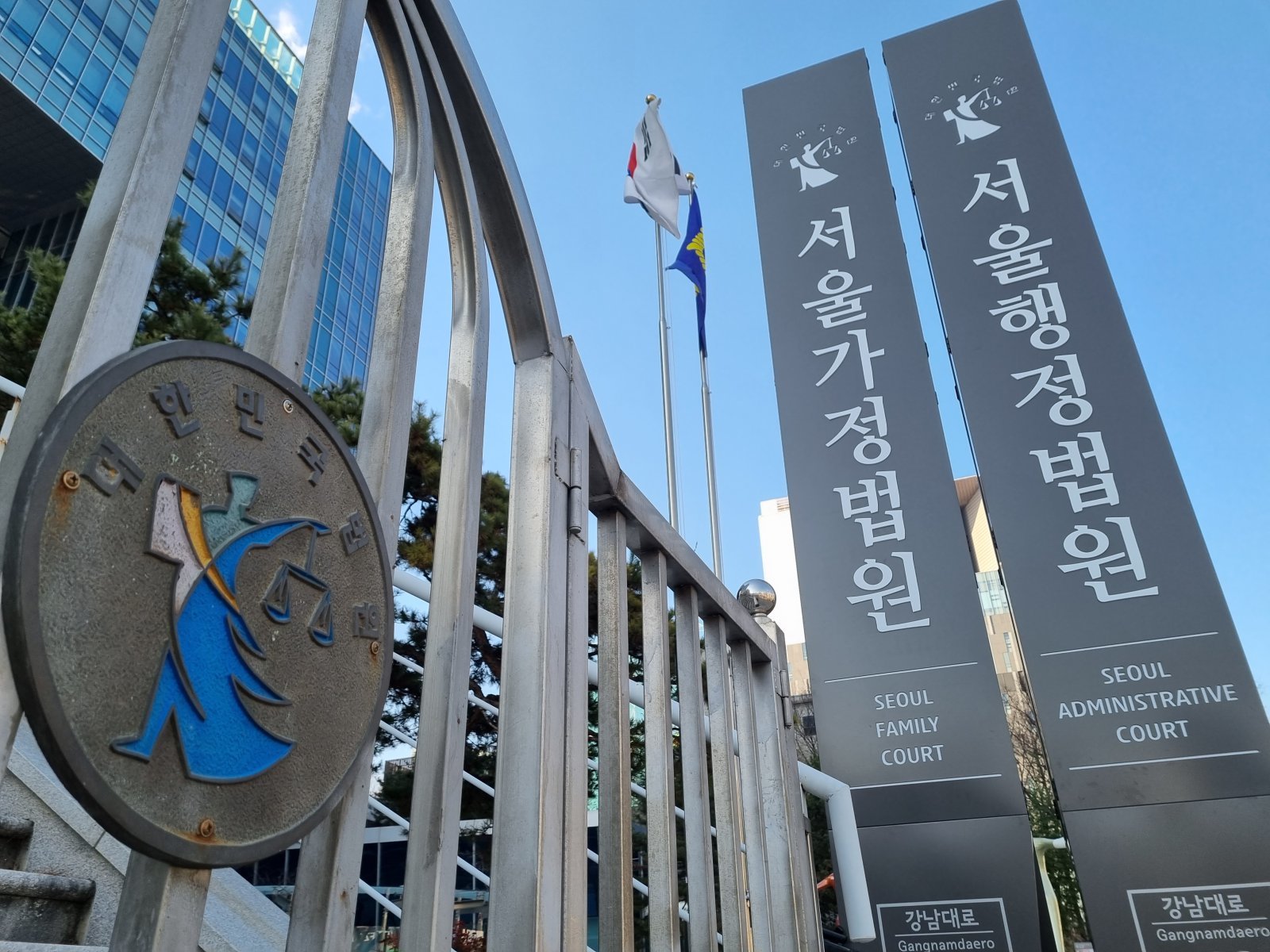
Court denies work-related status for employee's fatal brain hemorrhage
Translated from Korean, summarized and contextualized by DistantNews.
At a glance
News
Sources not specified
Outcome reported
- A court ruled that a construction worker's death from a brain hemorrhage the day after a stressful presentation is not work-related.
- The court cited the employee's pre-existing conditions, including diabetes and hypertension, as primary factors.
- The ruling stated that the stress from the presentation did not constitute an abnormal or excessive work-related burden.
A South Korean court has ruled that the death of a construction worker from a brain hemorrhage, which occurred the day after he gave a presentation for a project bid, cannot be recognized as a work-related accident. The court's decision denied the family's claim for industrial accident compensation.
The employee, identified as A, had presented for a bid on a construction management service project in 2023. During the presentation to executives, he experienced symptoms such as a headache and cold sweats. He was found dead the following morning in his accommodation, with the autopsy confirming the cause of death as non-traumatic intracerebral hemorrhage.
A's family argued that the death was work-related, citing psychological pressure due to potential contract cancellations and wage reductions from standby duties, as well as the tension and stress from preparing and delivering the presentation, which they claimed led to acute overwork. However, the court found insufficient evidence to establish a significant causal link between the work and the death.
The court noted that A's work hours in the week leading up to his death were 40 hours and 3 minutes, which did not exceed a 30% increase from his usual schedule. Average work hours over the preceding four and twelve weeks were also within normal limits, indicating no short-term or chronic excessive workload. While acknowledging the psychological pressure and tension during the presentation preparation, the court deemed it within the normal scope of his duties, as he had been handling bid preparations and presentations for years.
Crucially, the court pointed to A's medical history, which included over 10 years of diabetes treatment, a 30-year history of smoking, and diagnosed hypertension. Autopsy results also indicated poorly controlled blood sugar levels and atherosclerosis. Therefore, the court concluded that the cerebral hemorrhage was likely caused by the degeneration of blood vessels weakened by personal factors like long-term diabetes, hypertension, and smoking, rather than work-related stress.
It is appropriate to assess that this occupational injury was caused by the degenerative changes of weakened blood vessels due to long-term diabetes, hypertension, and smoking, rather than work-related stress or burden.
DistantNews Editorial
Originally published by Dong-A Ilbo in Korean. Translated, summarized, and contextualized by our editorial team with added local perspective. Read our editorial standards.
More Stories



From Our Blog

What Gets Lost (and Found) When News Is Translated

The Critical Role of Diaspora Media in Global News

What Travellers Should Know About Countries with Restricted Press

A Digital Nomad's Guide to Following Local News

How the Same Story Looks Different in Different Countries
