


Court rejects second travel ban suspension for professor accused of defaming president
Translated from Korean, summarized and contextualized by DistantNews.
At a glance
News
Named sources
Outcome reported
- A South Korean court rejected a second request by Professor Morad Mostafa, who faces defamation charges against President Lee Jae-myung, to suspend a travel ban.
- The court cited concerns about the impact on public welfare if the ban were lifted, despite acknowledging potential irreparable harm to Mostafa.
- Mostafa is accused of spreading false information about President Lee's past involvement in a criminal case, leading to police investigations and travel restrictions.
A South Korean court has denied a second attempt by Professor Morad Mostafa, who is accused of defaming President Lee Jae-myung, to lift a travel ban.
Mostafa, a former professor at Liberty University in the United States, had sought to suspend a second travel ban imposed by the Ministry of Justice, which extended his departure suspension until August 31. He argued that such "illegal measures" could lead to sanctions against the U.S.
While it appears there is a risk of irreparable harm to the applicant due to the travel ban, it is reasonable to consider that lifting the ban could impact public welfare.
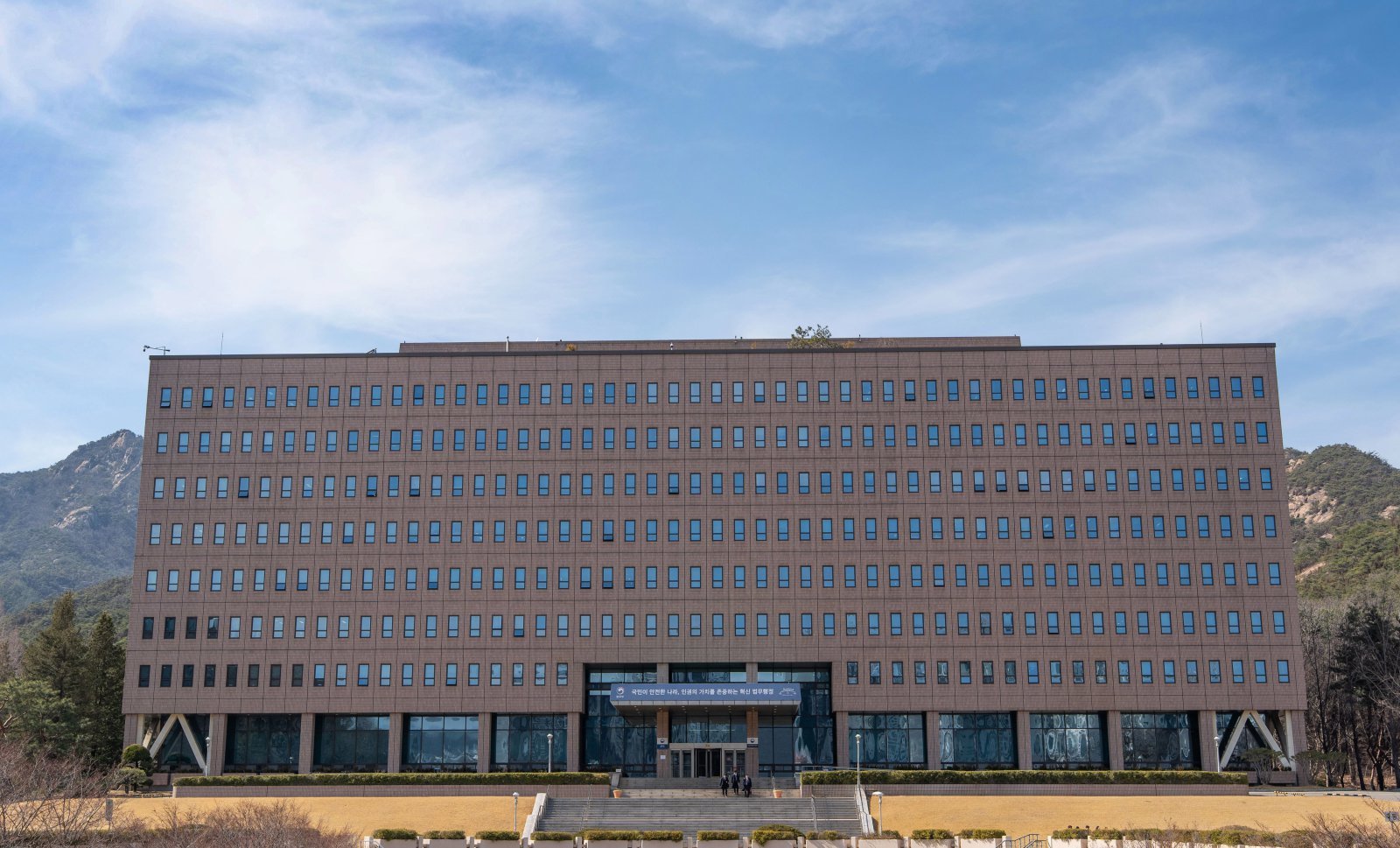
The Seoul Administrative Court acknowledged that the travel ban could cause irreparable harm to Mostafa. However, presiding judge Kim Tae-hwan stated that lifting the ban would likely impact public welfare, considering the ongoing investigation and its progress. This reasoning mirrors the court's decision on Mostafa's first travel ban suspension request, where it prioritized public welfare over potential harm to the applicant.
Mostafa faces charges for allegedly making false statements at a press conference in Washington last June, claiming President Lee was imprisoned in a juvenile detention center for a serious crime during his youth. Police investigated Mostafa after his arrival in South Korea in late May, leading to a one-month travel ban, which was subsequently extended. The police have since transferred the case to the prosecution on charges of defamation under the Information and Communications Network Act and the Criminal Act.
Such illegal measures could lead to sanctions against the U.S.
DistantNews Editorial
Originally published by Hankyoreh in Korean. Translated, summarized, and contextualized by our editorial team with added local perspective. Read our editorial standards.
More Stories


From Our Blog

What Gets Lost (and Found) When News Is Translated

The Critical Role of Diaspora Media in Global News

What Travellers Should Know About Countries with Restricted Press

A Digital Nomad's Guide to Following Local News

How the Same Story Looks Different in Different Countries
