


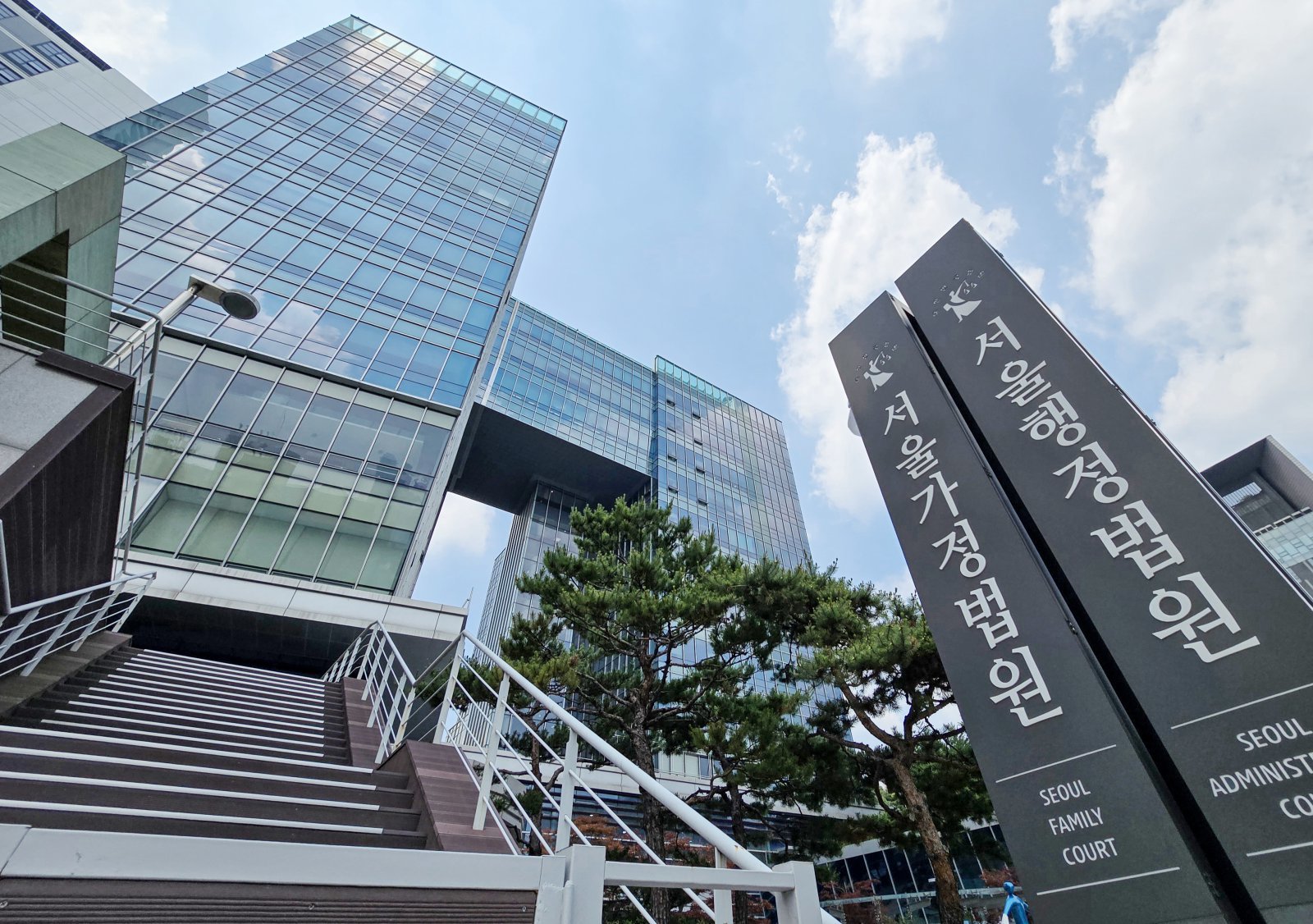
Court: Survivor benefits payable if work illness contributes to death, even if not direct cause
Translated from Korean, summarized and contextualized by DistantNews.
At a glance
News
From a news agency
Outcome reported
- A court ruled that survivor benefits must be paid even if an occupational illness was not the direct cause of death, as long as it contributed to worsening the condition.
- The ruling involved a worker who died of pneumonia, but whose pre-existing pneumoconiosis and related complications were deemed to have significantly contributed to the fatal outcome.
- The court found the denial of survivor benefits by the Korea Workers' Compensation and Welfare Service to be unlawful, ordering the service to pay the benefits and cover legal costs.
A South Korean court has ruled that survivor benefits should be granted even when an illness contracted through work is not the direct cause of death, provided it significantly contributed to the fatal condition. The decision came in a case where a worker's pre-existing occupational disease was found to have exacerbated a subsequent illness, leading to death.
The Seoul Administrative Court ruled in favor of a claimant seeking survivor benefits after their spouse, who had worked in dusty environments like stone quarries, passed away. The deceased had been diagnosed with pneumoconiosis in 2007 and later suffered from various respiratory issues, including chronic obstructive pulmonary disease and pneumonia, for which they received continuous treatment.
It is reasonable to recognize a significant causal relationship between the deceased's pneumoconiosis and its complications and the death. Therefore, the denial of benefits in this case is unlawful and must be revoked.
Despite the worker's prolonged illness, the Korea Workers' Compensation and Welfare Service initially denied survivor benefits and funeral expenses, citing the cause of death as acute myocardial infarction unrelated to pneumoconiosis. However, the court determined that the deceased's pneumoconiosis and its complications were substantially linked to their death.
"It is reasonable to recognize a significant causal relationship between the deceased's pneumoconiosis and its complications and the death," the court stated. "Therefore, the denial of benefits in this case is unlawful and must be revoked." The ruling emphasized that even if pneumoconiosis was not the direct cause, the chronic worsening of underlying lung conditions due to the disease led to pneumonia that proved fatal despite extensive antibiotic treatment, ultimately causing respiratory failure and a rapid decline in the patient's overall condition.
The deceased's pneumoconiosis and its complications significantly contributed to the development and rapid worsening of pneumonia.
DistantNews Editorial
Originally published by Dong-A Ilbo in Korean. Translated, summarized, and contextualized by our editorial team with added local perspective. Read our editorial standards.
More Stories


From Our Blog

What Gets Lost (and Found) When News Is Translated

The Critical Role of Diaspora Media in Global News

What Travellers Should Know About Countries with Restricted Press

A Digital Nomad's Guide to Following Local News

How the Same Story Looks Different in Different Countries
