


Court upholds ministry's abolition of extra caregiver payment system in South Korea
Translated from Korean, summarized and contextualized by DistantNews.
At a glance
News
Sources not specified
Outcome reported
- A South Korean court ruled that the Ministry of Health and Welfare's decision to abolish the additional payment system for extra caregivers in elderly care facilities was lawful.
- The ministry had previously strengthened the caregiver-to-resident ratio from 2.3:1 to 2.1:1, effective January 2024.
- The court found no procedural flaws or abuse of discretion, citing the need to consider the financial burden on society and balance public and private interests.
A South Korean court has upheld the Ministry of Health and Welfare's controversial decision to eliminate additional payments for exceeding the mandated caregiver-to-resident ratio in elderly care facilities. The ruling dismisses a lawsuit filed by 12 operating corporations of long-term care institutions.
Previously, the ministry revised regulations in December 2024, tightening the caregiver-to-resident ratio from 2.3:1 to 2.1:1, with a grace period until the end of 2024. Simultaneously, the ministry abolished the additional payment system for employing more caregivers than required and reduced the scope of additional payments for other staff like social workers and nurses. This change means facilities must hire more caregivers to meet the new ratio but will not receive extra compensation for any staff hired beyond that requirement.
Operators argued the ministry failed to adequately consult stakeholders, violating procedural fairness, and that the decision infringed upon principles of proportionality, trust, and equality. They claimed the abolition of the system, in place for about 16 years, would hinder service quality improvements and better treatment for caregivers, while the public benefit did not outweigh the private interests harmed.
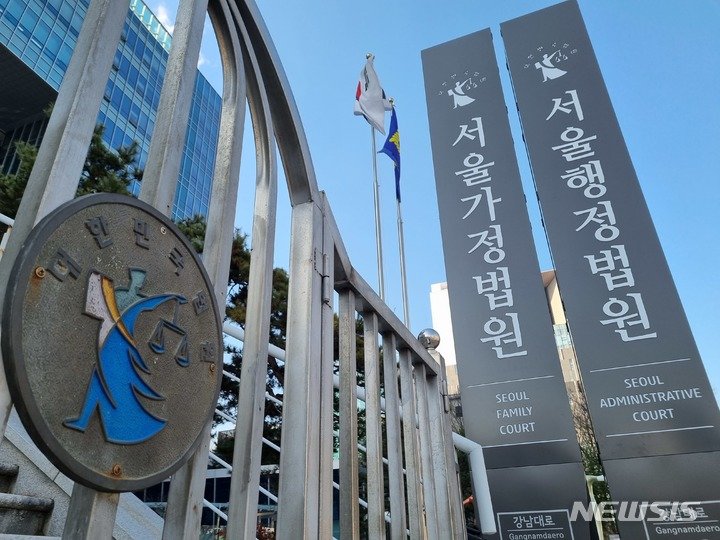
However, the Seoul Administrative Court ruled that the ministry had sufficiently gathered opinions from stakeholders. The court found the ministry's actions did not constitute an abuse of discretion, stating that while alternative measures like gradually lowering additional payments for other staff were less intrusive, they would incur greater long-term care insurance costs for society. The court concluded that the increased base staffing ratio already addressed some concerns and that the public interest in managing the national budget outweighed the private interests of the institutions.
DistantNews Editorial
Originally published by Dong-A Ilbo in Korean. Translated, summarized, and contextualized by our editorial team with added local perspective. Read our editorial standards.
More Stories


From Our Blog

What Gets Lost (and Found) When News Is Translated

The Critical Role of Diaspora Media in Global News

What Travellers Should Know About Countries with Restricted Press

A Digital Nomad's Guide to Following Local News

How the Same Story Looks Different in Different Countries
