

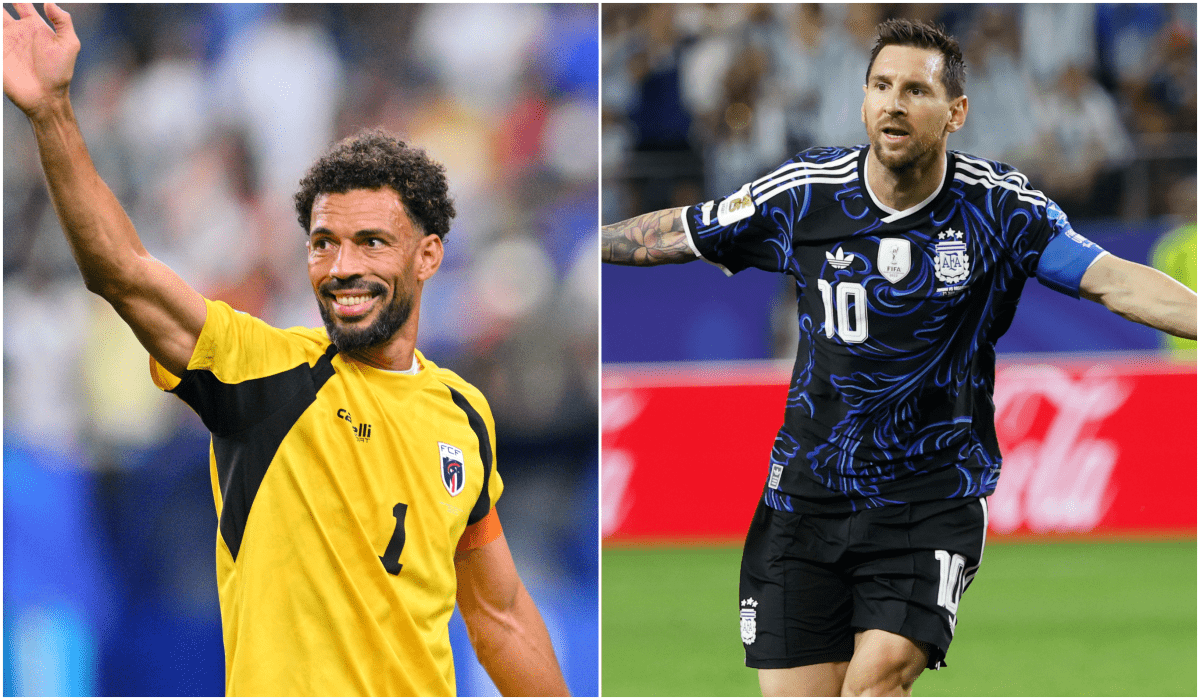
Cristiano Ronaldo on the Bench: Substitutions That Saved Portugal Against Croatia
Translated from Spanish, summarized and contextualized by DistantNews.
At a glance
News
Sources not specified
Outcome reported
- Portugal defeated Croatia 2-1 in the 2026 World Cup Round of 16 with a goal in the 93rd minute.
- Coach Roberto Martínez made significant tactical substitutions starting in the 60th minute, including substituting Cristiano Ronaldo.
- The team shifted from a 4-2-3-1 formation to a 4-4-2, which facilitated quick transitions and wing play.
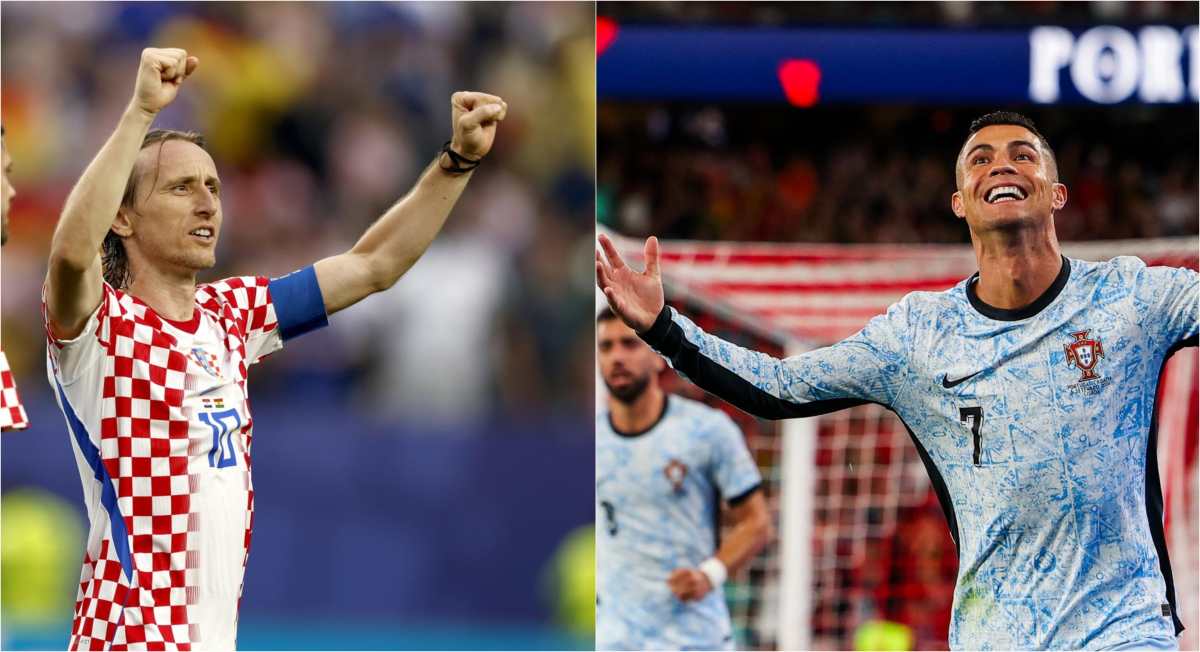
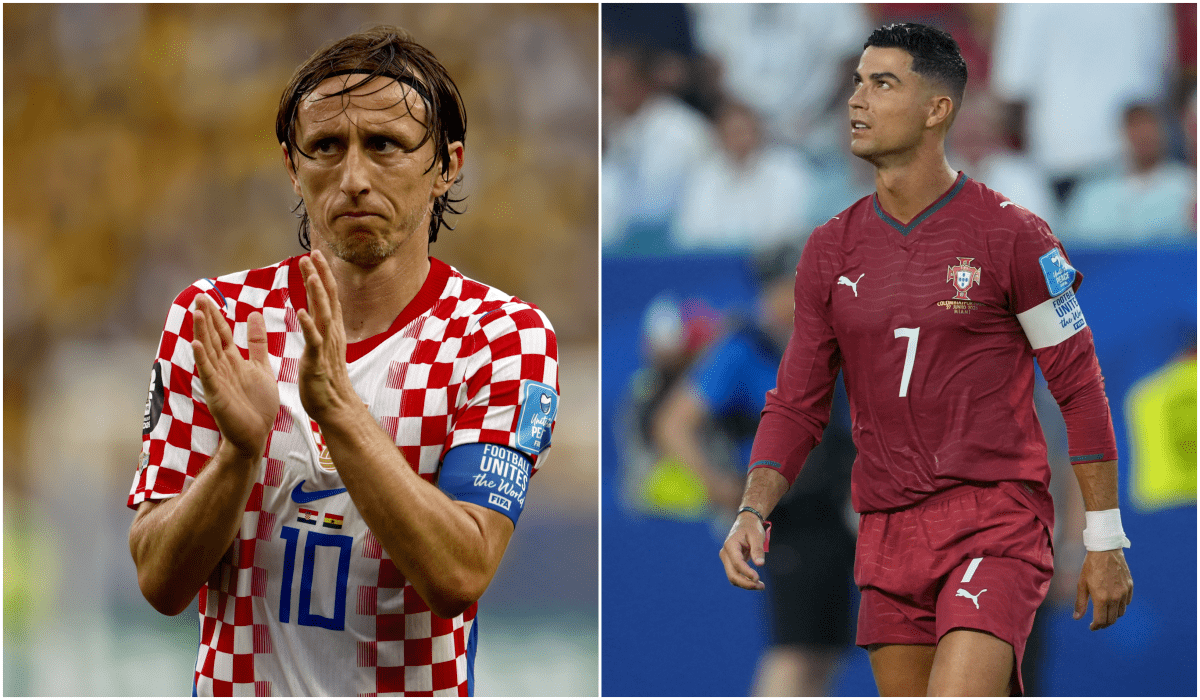
Portugal secured a dramatic 2-1 victory over Croatia in the 2026 World Cup Round of 16, with a decisive second goal arriving in the 93rd minute. The match, held at the Estadio Nacional de Canadá, also saw a Croatian goal disallowed in the 103rd minute.
A key talking point of the game was the strategic substitutions made by Spanish coach Roberto Martínez. Starting around the 60th minute, Martínez initiated a complete overhaul of the Portuguese team's structure, making four changes simultaneously. Shortly after, he substituted Cristiano Ronaldo, who had just scored from a penalty.
Portugal initially lined up in a 4-2-3-1 formation, a popular and balanced setup. However, Martínez recognized that this formation was not yielding the desired results. He responded by making five substitutions, including Ronaldo, to transition the team into a 4-4-2 alignment. This new formation proved effective for rapid transitions and exploiting play on the wings.
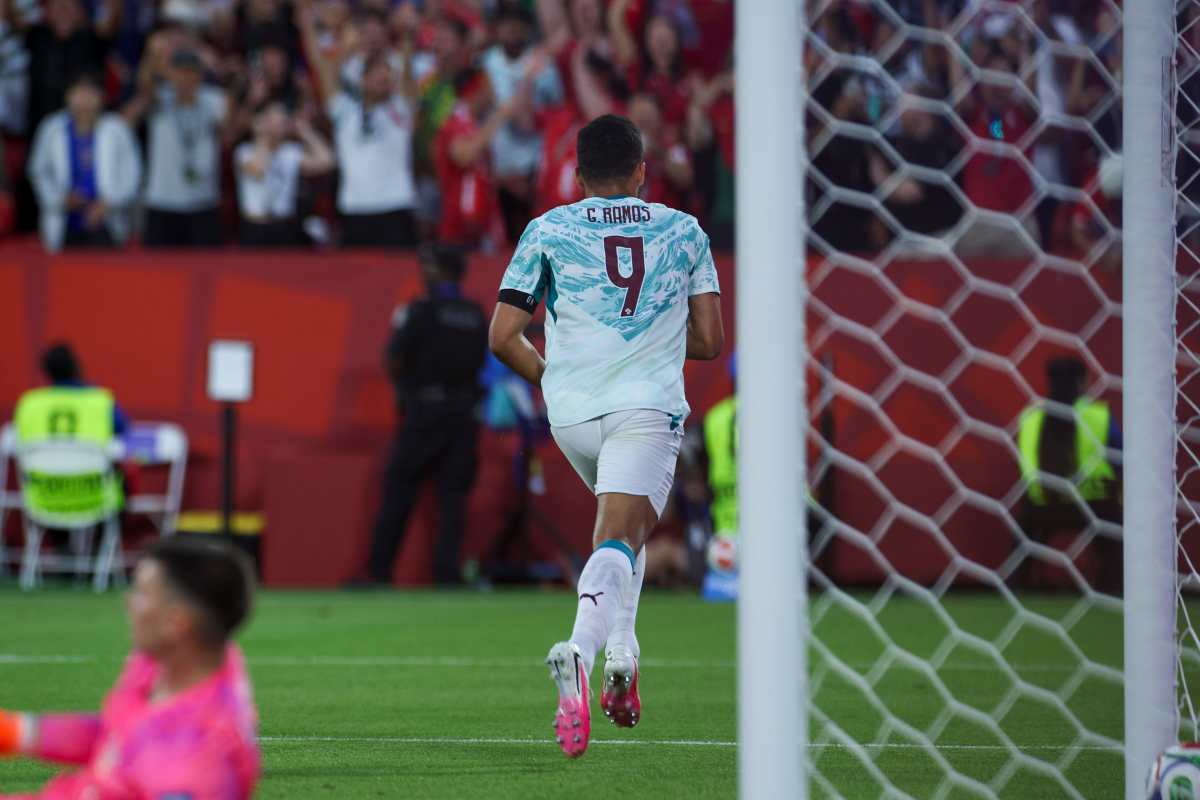
Notable substitutions included Rúben Neves, who entered the game in the 81st minute and was praised for his tactical awareness and passing ability. Bernardo Silva, brought on in the 62nd minute, added vision and control. Nélson Semedo, who replaced Bruno Fernandes in the 63rd minute, provided offensive support from the right-back position. Francisco Conceição, subbed in for Pedro Neto at 63 minutes, showcased his speed and dribbling skills on the right wing. The most impactful substitution, however, was Gonçalo Ramos, whose introduction significantly altered the game's dynamics.
DistantNews Editorial
Originally published by Prensa Libre in Spanish. Translated, summarized, and contextualized by our editorial team with added local perspective. Read our editorial standards.
More Stories
From Our Blog

What Gets Lost (and Found) When News Is Translated

The Critical Role of Diaspora Media in Global News

What Travellers Should Know About Countries with Restricted Press

A Digital Nomad's Guide to Following Local News

How the Same Story Looks Different in Different Countries
