


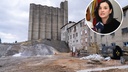
Croatia: 32,000 tons of waste buried in Gospić, environmental disaster confirmed
Translated from Croatian, summarized and contextualized by DistantNews.
At a glance
News
Named sources
Context piece
- An environmental disaster is unfolding in Gospić, Croatia, with 32,000 tons of waste buried underground.
- Investigations reveal elevated levels of harmful substances like copper, zinc, lead, and antimony in the soil, and PFAS compounds in groundwater.
- Authorities are planning remediation efforts, considering options like on-site treatment or disposal abroad, while citizens express concern.
Gospić, Croatia, faces an escalating environmental crisis as investigations confirm the illegal dumping and burial of approximately 32,000 tons of waste. Recent expert findings, released a year and a half after the scandal's discovery, reveal significant soil contamination with harmful substances, including copper, zinc, lead, and antimony. The situation is further compounded by the detection of PFAS compounds, often called 'forever chemicals,' in the groundwater.
Minister of Environmental Protection and Green Transition, Marija Vučković, stated that the ministry has treated the case as a serious environmental crime from the outset. She emphasized that the latest findings provide a clearer picture of the problem's scale, refuting suggestions that the extent of the ecological catastrophe is only now being revealed. The ministry is currently managing procurement processes for the removal of approximately 4,500 tons of hazardous waste and 650 tons of non-hazardous waste.
The most significant challenge remains the remediation of the buried waste. Vučković described the process as complex and demanding, noting that citizens have valid reasons for concern due to the long-term consequences of this environmental crime. The discovery of PFAS in groundwater is particularly worrying, though the minister deferred detailed interpretation to experts.
Croatia currently lacks adequate facilities for hazardous waste disposal or incineration, prompting the search for international solutions. Options for the buried waste include "in situ remediation" (on-site treatment), a method met with public distrust and not favored by the ministry, or transporting the hazardous material to appropriate facilities abroad. The ministry has inquired about disposal at 11 hazardous waste sites and four salt mines permitted for such waste.
DistantNews Editorial
Originally published by Večernji List in Croatian. Translated, summarized, and contextualized by our editorial team with added local perspective. Read our editorial standards.
More Stories


From Our Blog

What Gets Lost (and Found) When News Is Translated

The Critical Role of Diaspora Media in Global News

What Travellers Should Know About Countries with Restricted Press

A Digital Nomad's Guide to Following Local News

How the Same Story Looks Different in Different Countries
