

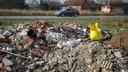

Croatia Agrees to Publish Hazardous Waste Analyses After Lika Protests
Translated from Croatian, summarized and contextualized by DistantNews.
At a glance
News
Named sources
New plan
- Croatian officials met with representatives from Lika region to discuss concerns over hazardous waste and environmental protection.
- The government agreed to publish all soil and waste analyses and expand water monitoring networks, with a follow-up meeting scheduled for September 20.
- Protesters expressed satisfaction with the constructive dialogue and the minister's commitment to addressing their demands, while also preparing for further action if promises are not kept.
Following a protest by residents of the Lika region concerning hazardous waste, Croatian officials, including Deputy Prime Minister and Minister Branko Bačić, met with representatives of the 'Gospić je naš dom' (Gospić is Our Home) civic initiative. The meeting aimed to address the community's urgent concerns about environmental protection and public health.
For the first time, we have the impression that we are being taken seriously.
Participants reported a constructive dialogue, with Minister Bačić taking direct action by issuing conclusions and assigning tasks to colleagues to fulfill the protesters' demands. Key outcomes include the agreement to publish all state analyses of illegal and hazardous waste, as well as water quality data. The Ministry of Environmental Protection has been instructed to immediately release analyses conducted by the State Inspectorate since 2024 and those related to the tender for waste remediation.
A significant point of contention was the request for analyses conducted by the State Attorney's Office (DORH) during its investigation into illegal waste disposal. As these data were confidential during the investigation, the Ministry of Environmental Protection will seek permission from DORH for their release. This specific analysis is considered crucial as it reportedly covers all 45,000 tons of waste, including medical and infectious materials.
The demand to publish all analyses that the state has on illegal and hazardous waste, as well as on water quality, has been adopted.
Additionally, the Institute "Josip Juraj Strossmayer," which previously analyzed water quality in Lika, will expand its monitoring stations. New stations will be established downstream from the silos containing hazardous waste. Previously, water quality measurements were conducted only at locations designated by the local community. The initiative's representatives expressed satisfaction with the government's engagement, believing they were taken seriously for the first time. However, they remain prepared to pursue legal action at domestic and European levels, and potentially block major roadways, should the government's commitments not be fulfilled.
This analysis is actually the most important because it was done with all, even the most dangerous, buried waste, meaning for all 45,000 tons of waste which includes medical and infectious waste.
DistantNews Editorial
Originally published by Večernji List in Croatian. Translated, summarized, and contextualized by our editorial team with added local perspective. Read our editorial standards.
More Stories

From Our Blog

What Gets Lost (and Found) When News Is Translated

The Critical Role of Diaspora Media in Global News

What Travellers Should Know About Countries with Restricted Press

A Digital Nomad's Guide to Following Local News

How the Same Story Looks Different in Different Countries
