

Croatian goal disallowed in final minutes sparks World Cup 2026 controversy
Translated from Spanish, summarized and contextualized by DistantNews.
At a glance
News
Sources not specified
Outcome reported
- A Croatian goal in the final minutes of a World Cup match against Portugal was disallowed due to a controversial offside call, sparking debate.
- The goal, scored by Josko Gvardiol, was invalidated after a VAR review determined a prior touch by Igor Matanovic, despite uncertainty about the contact.
- The incident occurred during extended stoppage time, with the final score being 2-1 to Portugal, advancing them to the next round.
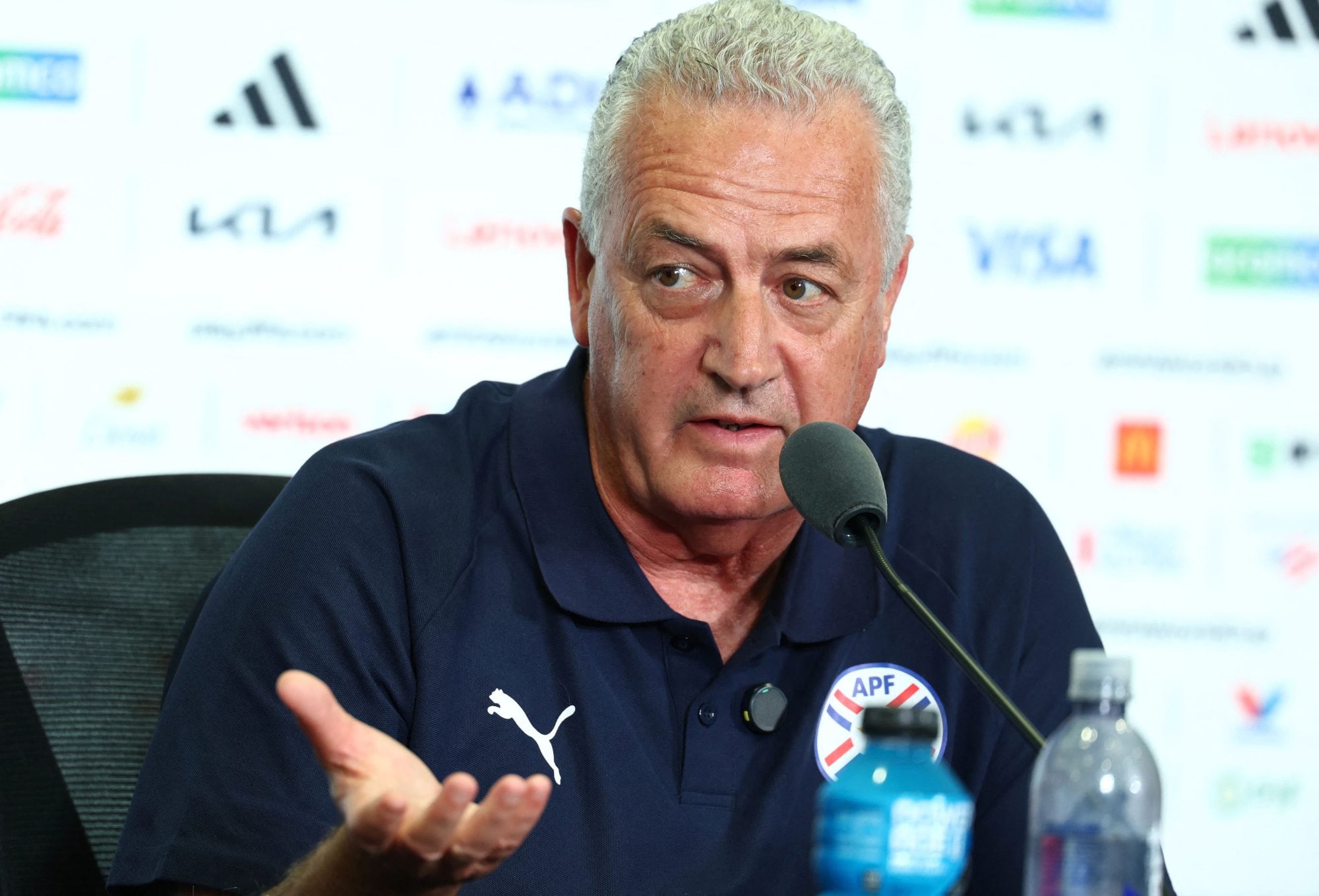
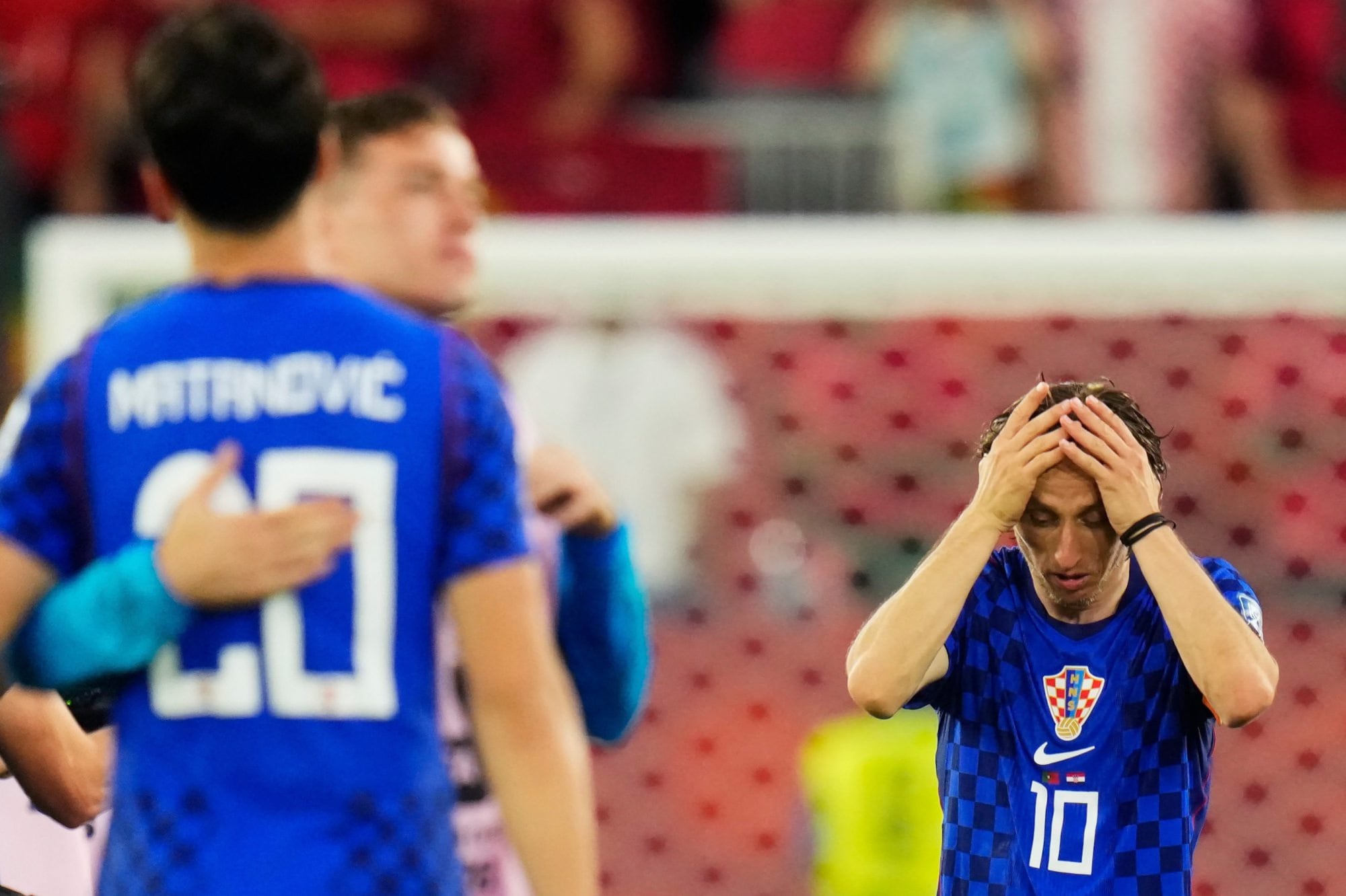
The World Cup 2026 match between Portugal and Croatia ended in controversy after a late Croatian goal was disallowed, leading to Portugal's 2-1 victory and advancement to the knockout stages. The intense game saw extended stoppage time, with the referee adding more than the announced 10 minutes. During this period, a Croatian goal by Josko Gvardiol in the 102nd minute (90+12) was ruled offside. The decision hinged on a VAR review that identified a slight touch by Igor Matanovic on the ball before Gvardiol scored. This touch, even if minimal, was enough to disallow the goal. Croatian players expressed confusion and frustration. "I asked the referee what he saw in the end, and he told me that the sensor indicated Matanovic had touched the ball. I don't know...", said Martin Baturina. Igor Matanovic himself admitted to feeling a "slight contact with the hair" but was unsure if he had truly touched the ball. The referee reportedly told him there was a "subtle touch" and that it was offside. The use of a chip in the World Cup ball, designed to detect touches, played a crucial role in the decision, highlighting the increasing reliance on technology in football and the ongoing debate surrounding its application.
I asked the referee what he saw in the end, and he told me that the sensor had indicated that Matanovic had touched the ball. I don't know...
DistantNews Editorial
Originally published by La Nación in Spanish. Translated, summarized, and contextualized by our editorial team with added local perspective. Read our editorial standards.
More Stories



From Our Blog

What Gets Lost (and Found) When News Is Translated

The Critical Role of Diaspora Media in Global News

What Travellers Should Know About Countries with Restricted Press

A Digital Nomad's Guide to Following Local News

How the Same Story Looks Different in Different Countries
