


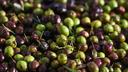
Croatian olive oil prices drop as harvest uncertainty looms
Translated from Croatian and summarized by DistantNews. Read the original for the full story.
At a glance
News
Sources not specified
Context piece
- Prices for imported extra virgin olive oil have dropped significantly in Croatian stores, with some brands selling for as low as 4.99 euros per liter.
- Local olive growers are concerned that this price dumping, occurring before the new harvest, could harm domestic production.
- The overall yield for the current olive harvest remains uncertain, depending heavily on rainfall, with some regions expecting poor yields while others anticipate a good crop.
Croatian consumers can currently find imported extra virgin olive oil at significantly reduced prices, with some brands like Salvadori and Bodul on sale for just 4.99 euros per liter. Other imported options range from 5.99 to 7.99 euros, making them considerably cheaper than domestic alternatives.
Every year the same classic – warehouses are emptied before the new harvest and domestic production is destroyed with such dumping prices.
This aggressive pricing strategy, described as "dumping" by local producers, is raising concerns among Croatian olive growers. Ivica Ljubenkov, president of the Croatian Oil and Olive Growers Association, warns that emptying warehouses with these low prices before the new harvest could undermine domestic production. He notes that this situation is a recurring issue each year.
It is too early to make any general assessments of the olive harvest in Croatia.
The outlook for the upcoming olive harvest remains uncertain across Croatia. Ljubenkov explained that the yield will largely depend on the amount of rainfall, as many olive groves are currently suffering from drought. While his own olive grove in Kaštela is expected to have a poor yield, he acknowledges that just a few kilometers away, olive trees are already bending under the weight of promising fruit.
It depends on the location, the amount of precipitation, and whether there has been any rain at all...
Growers are anxiously watching the skies, hoping for rain to nourish the developing olives. The current market situation, with low-priced imports flooding the shelves, adds financial pressure to an already uncertain harvest season, leaving many domestic producers worried about the economic viability of their crops.
In my olive grove in Kaštela, the yield will be poor, and three kilometers away, there are cases where the branches are already bending to the ground under the weight of fruits that promise more than enough.
About this summary
Originally published by Večernji List in Croatian. Translated, summarized, and contextualized automatically by DistantNews, with a note on how the source frames the story. Not individually reviewed before publishing. How this works.
More Stories


From Our Blog

What Gets Lost (and Found) When News Is Translated

The Critical Role of Diaspora Media in Global News

What Travellers Should Know About Countries with Restricted Press

A Digital Nomad's Guide to Following Local News

How the Same Story Looks Different in Different Countries
