


Croatian winery launches first non-alcoholic wine amid global market growth
Translated from Croatian, summarized and contextualized by DistantNews.
At a glance
News
Sources not specified
New plan
- Croatian winery Agrolaguna has launched Croatia's first non-alcoholic wine.
- The global market for non-alcoholic wines is experiencing significant growth, projected to reach $5.28 billion by 2033.
- The wine is made from premium Istrian Malvasia and White Sauvignon grapes, with alcohol removed using vacuum distillation to preserve aroma and flavor.
The global non-alcoholic wine market is booming, driven by changing consumer habits and a trend toward moderate alcohol consumption. Projections estimate the market could reach $5.28 billion by 2033, with an average annual growth rate of 10%. Responding to this demand, Croatian winery Agrolaguna, now majority-owned by Badel 1862, has introduced the country's first non-alcoholic wine.
Riviera non-alcoholic wines are primarily created as wine, from premium raw materials and with a complete winemaking process. This means that until the finished wine is obtained, they are produced almost in the same way as classic wines. Grapes are harvested, processed, and fermented, and the wine then matures and is nurtured in the cellar. The difference only appears in the final phase, when alcohol is extracted from the finished wine by vacuum distillation. By lowering the pressure, alcohol can be removed at lower temperatures, which helps to preserve the aromas, freshness, structure, and character of the wine.
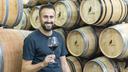
This new product, named Riviera, is crafted from high-quality Istrian Malvasia and White Sauvignon grapes grown in Agrolaguna's own vineyards. The wine undergoes a full fermentation process before the alcohol is removed. Josip Barišić, director of winemaking and production at Agrolaguna, explained that the company uses advanced vacuum distillation technology. This method allows alcohol to be extracted at lower temperatures, preserving the wine's delicate aromas, freshness, acidity, and overall character.
The biggest challenge is not just to remove the alcohol, but to retain a product that remains close to wine in taste, smell, and experience – a wine alternative for moments when consumers want to retain the ritual and experience of wine, but without alcohol. We believe we have succeeded in this.
Barišić emphasized that the primary challenge was not just removing alcohol but creating a product that closely mimics the taste and experience of traditional wine. He believes Agrolaguna has succeeded in this, offering a "wine alternative" for consumers who wish to maintain the ritual of drinking wine without the alcohol content. Younger generations, in particular, are seen as receptive to this category, embracing a more flexible approach to alcohol consumption where social situations don't automatically necessitate drinking. This innovation positions Agrolaguna to capitalize on the growing market for sophisticated, alcohol-free beverage options.
We believe we have succeeded in this. Especially younger generations are open to this category. They have no problem drinking classic wine one day, non-alcoholic the next, and nothing the day after. There is no longer an expectation that every social situation automatically includes alcohol. That is precisely why they see room for growth for non-alcoholic wines, especially if they offer consumers a wine experience.
DistantNews Editorial
Originally published by Večernji List in Croatian. Translated, summarized, and contextualized by our editorial team with added local perspective. Read our editorial standards.
More Stories



From Our Blog

What Gets Lost (and Found) When News Is Translated

The Critical Role of Diaspora Media in Global News

What Travellers Should Know About Countries with Restricted Press

A Digital Nomad's Guide to Following Local News

How the Same Story Looks Different in Different Countries
