

Cuba faces the wall: Díaz-Canel announces economic revolution under U.S. pressure
Translated from French, summarized and contextualized by DistantNews.
At a glance
News
Sources not specified
New plan
- Cuba is implementing significant economic reforms, including expanding private enterprise, to combat a severe crisis.
- The reforms are driven by unprecedented U.S. sanctions that have impacted tourism and foreign investment.
- President Díaz-Canel stated the changes are necessary due to current conditions, while acknowledging the need for discretion due to U.S. surveillance.
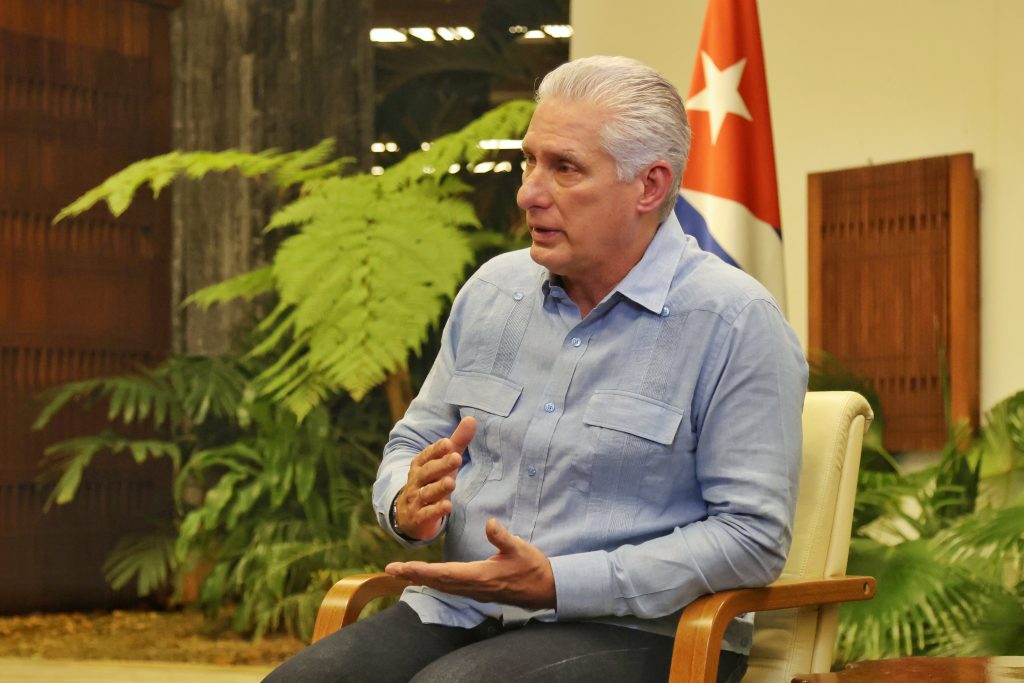
Cuba is embarking on a historic economic liberalization, expanding private enterprise activities in a bid to overcome a severe crisis exacerbated by unprecedented U.S. sanctions. President Miguel Díaz-Canel announced the government's "economic priorities" on Friday, aiming to inject new life into an economy long dominated by the state.
The decision comes as Cuba faces a dramatic downturn in its crucial tourism sector. Many international hotel chains have departed the island following sanctions imposed by the Trump administration, which targeted companies with economic ties to GAESA, the military conglomerate controlling a significant portion of the Cuban economy. This exodus has led to a sharp decline in international tourist arrivals, with a 55.8% drop recorded between January and April 2026 compared to the previous year.
The country is not at a standstill. It faces these conditions with great wisdom. We cannot say everything clearly because the enemy watches everything we do.
Economist Daniel Torralbas described the impact of these international companies' departures as "devastating" in the short and medium term, predicting 2026 could be the worst economic year for Cuba in seven decades. The reforms extend beyond tourism, signaling a broad structural shift not seen in decades, though President Díaz-Canel maintained an ideological tone, emphasizing national unity and cautioning against revealing too much due to U.S. scrutiny.
While Díaz-Canel asserted the changes were not a response to external pressure, the context strongly suggests otherwise. The government is attempting a strategic pivot, seeking "new modalities with new actors" to utilize available infrastructure, particularly in the tourism sector, as it grapples with the fallout from U.S. policy and a significant reduction in international flights.
the impact for the Cuban economy of the departure of all these international companies in the short and medium term is devastating.
DistantNews Editorial
Originally published by El Watan in French. Translated, summarized, and contextualized by our editorial team with added local perspective. Read our editorial standards.
More Stories

From Our Blog

What Gets Lost (and Found) When News Is Translated

The Critical Role of Diaspora Media in Global News

What Travellers Should Know About Countries with Restricted Press

A Digital Nomad's Guide to Following Local News

How the Same Story Looks Different in Different Countries
