

Cuba launches biggest economic reform in 70 years, opening key sectors to private investment
Translated from Spanish, summarized and contextualized by DistantNews.
At a glance
News
Named sources
New plan
- Cuba is implementing its most significant economic reforms in 70 years, introducing market-oriented measures to address a severe economic crisis.
- The proposed reforms, presented by Prime Minister Manuel Marrero, encompass 176 proposals affecting state and private enterprises, banking, tourism, agriculture, foreign investment, taxes, and currency exchange.
- Key changes include allowing private companies to employ over 100 people, permitting foreign capital in the private sector, and introducing a sales tax (VAT), though a timeline for implementation remains unannounced.
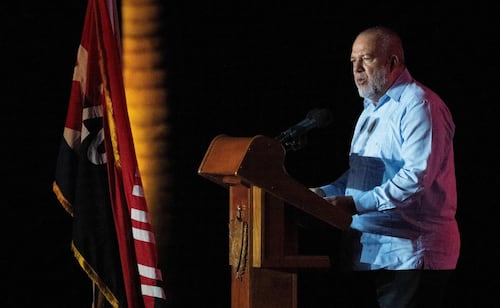
Cuba is embarking on its most sweeping economic reform program in seven decades, seeking to revitalize its struggling economy through a series of market-oriented measures. Prime Minister Manuel Marrero unveiled 176 proposals to the Parliament, aiming to liberalize numerous sectors and attract investment amid a deepening economic crisis and pressure from the United States.
The proposed reforms signal a significant shift from traditional socialist economic policies. They include transforming state-owned enterprises into shareholding or participating companies, authorizing private businesses to exceed 100 employees, and allowing foreign capital to invest in the private sector. For the first time, individuals will be permitted to hold multiple private businesses and stakes in other companies. Furthermore, Cubans will be allowed to open foreign currency accounts.
Key sectors such as agriculture, tourism, banking, and currency exchange are now open to both domestic and foreign private investment. The reform package also introduces a value-added tax (VAT) and permits wage negotiations within companies, signaling a move towards greater market mechanisms. These changes represent the most profound economic overhaul since the 1959 Revolution.
The announcements come at a critical juncture for Cuba, which faces economic hardship exacerbated by U.S. sanctions, including a de facto oil blockade. While the reforms signal a potential path toward economic recovery, authorities have not yet provided a timeline for their implementation. The success of these measures will likely depend on their effective execution and Cuba's ability to navigate both internal challenges and external pressures.
DistantNews Editorial
Originally published by El Universal in Spanish. Translated, summarized, and contextualized by our editorial team with added local perspective. Read our editorial standards.
More Stories
From Our Blog

What Press Freedom Means for the News You Read

What Gets Lost (and Found) When News Is Translated

The Critical Role of Diaspora Media in Global News

What Travellers Should Know About Countries with Restricted Press

A Digital Nomad's Guide to Following Local News
