


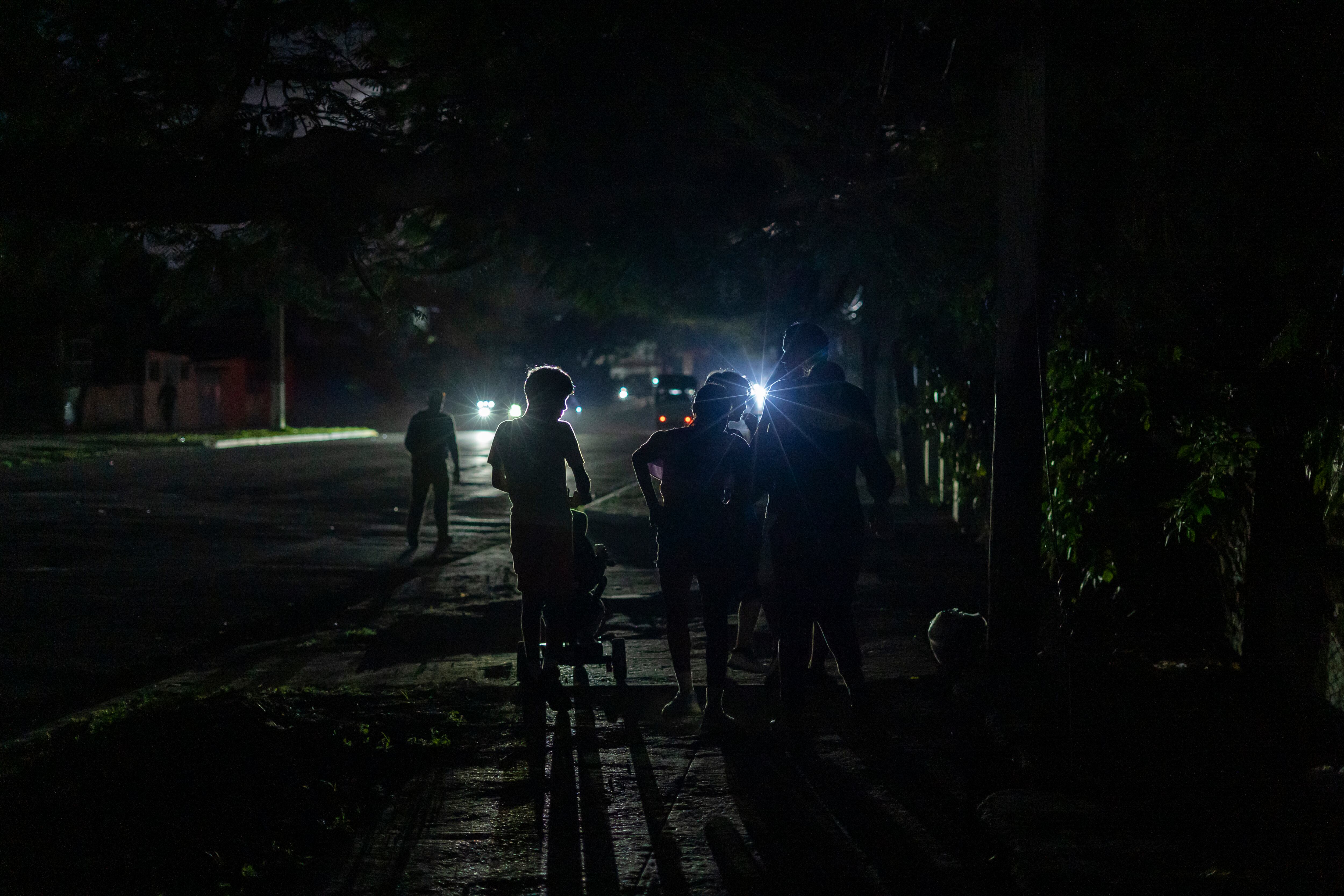
Cuba Suffers Eighth Nationwide Blackout in 24 Months
Translated from Spanish, summarized and contextualized by DistantNews.
At a glance
News
Official statement
Ongoing story
- Cuba experienced a nationwide power outage on Monday, July 6, the third this year and eighth in 24 months.
- The state electricity company, Unión Eléctrica (UNE), is investigating the causes of the total disconnection.
- The island faces a severe energy crisis, exacerbated by U.S. oil sanctions, leading to prolonged blackouts.
Cuba suffered a total nationwide blackout on Monday, July 6, at 12:17 PM local time. This marks the third national power outage in 2026 and the eighth in less than two years, highlighting the island's ongoing energy crisis.
State-owned Unión Eléctrica (UNE) announced the total disconnection of the National Electric System (SEN) via social media, stating that the causes were under investigation. The company promised further updates.
The country has been grappling with a severe energy crisis since mid-2024, which has worsened due to U.S. oil sanctions. These sanctions have led to unprecedented electricity shortages. In March alone, Cuba experienced two national blackouts.
Restoring the SEN is a slow and complex process. It typically involves gradually restarting generation from simpler sources like solar and hydroelectric power to supply small areas before interconnecting them. The ultimate goal is to provide enough power to the thermoelectric plants, which are the backbone of Cuba's electricity generation, to resume large-scale production and meet demand.
Before Monday's outage, UNE had predicted significant blackouts for the day, with an estimated 71% of the country losing power simultaneously during peak demand. Generation capacity was projected at only 935 megawatts against a demand of 3,100 megawatts, resulting in a deficit of 2,165 MW. Compounding the issue, 11 out of 16 thermoelectric generation units were inoperable due to breakdowns or maintenance. These issues are largely attributed to the aging infrastructure and chronic underinvestment, rather than the U.S. oil blockade, as these plants primarily use domestic oil. The remaining 40% of the energy mix comes from distributed generation, which has been largely offline since January due to fuel shortages.
DistantNews Editorial
Originally published by El País in Spanish. Translated, summarized, and contextualized by our editorial team with added local perspective. Read our editorial standards.
More Stories
From Our Blog

What Gets Lost (and Found) When News Is Translated

The Critical Role of Diaspora Media in Global News

What Travellers Should Know About Countries with Restricted Press

A Digital Nomad's Guide to Following Local News

How the Same Story Looks Different in Different Countries
