

Cuban left criticizes economic reforms, questions Raúl Castro's grandson's role
Translated from Spanish, summarized and contextualized by DistantNews.
At a glance
News
Named sources
Context piece
- Cuban authorities face criticism from their own left wing over economic reforms and the role of Raúl Castro's grandson.
- Critics fear the 176 economic measures will lead to capitalism, despite government assurances.
- An internal party report and media outlets question the reforms' alignment with socialism and call for public debate.
Cuban authorities are encountering unexpected internal dissent from the left following the introduction of 176 economic reforms aimed at liberalizing and decentralizing the island's economy. The measures, described by the government as "urgent and necessary," have ignited a debate about the future direction of the socialist state.
The discontent has been simmering in recent weeks - mainly in militant groups on the island, left-wing alternative media and social networks - following the surprise announcement of the 176 measures to transform the Cuban economy and their expedited approval.
Critics, primarily from militant groups, alternative left-wing media, and social networks, express deep skepticism. They fear the reforms will open the door to capitalism and the country's assets, a concern the government has repeatedly denied. An editorial in the Cuban digital outlet Punto y Aparte argued that some reforms "imply the return of the country towards a pure and hard capitalist regime, and accentuate inequalities." The outlet further criticized "officials and businessmen who have already shown too many times not to be up to the historical moment," urging popular participation to review and modify the reforms.
imply the return of the country towards a pure and hard capitalist regime, and accentuate inequalities
An internal report from the Communist Party of Cuba (PCC) echoed these concerns, stating that some measures "far exceed what has historically been set as admissible and even confront what have been the representations of socialism in our people." The document, titled "Promoting Socialism from Popular Power," calls for open community debates on the necessary transformations. This sentiment is shared by Alejandro Sánchez, secretary of the Union of Communist Youth (UJC) at the University of Havana, who advocates for power exercised not "solely from above," but with "greater participation" and "popular control."
an act of surrender by the Cuban Revolution to the interests of the country's new bourgeoisie and international financial capital
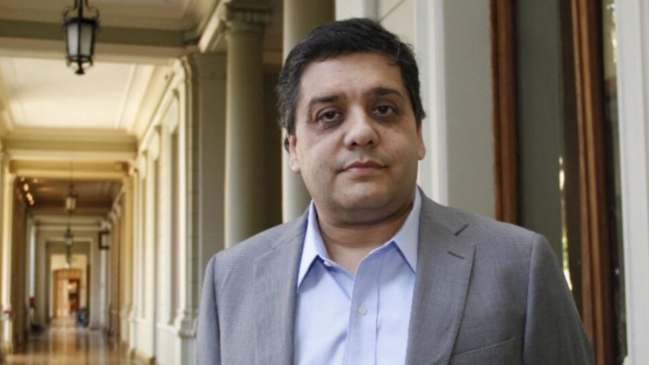
Adding to the controversy is the implicit role of Raúl Guillermo Rodríguez Castro, grandson of former President Raúl Castro, as a liaison with the U.S. Despite holding no formal position, his involvement has drawn criticism from orthodox sectors of the party. Cuban journalist Michel Torres has been a prominent critic of the grandson's role, highlighting the unease within certain circles regarding these developments.
arrogance and meanness of "officials and businessmen who have already shown too many times not to be up to the historical moment"
DistantNews Editorial
Originally published by Cooperativa in Spanish. Translated, summarized, and contextualized by our editorial team with added local perspective. Read our editorial standards.
More Stories


From Our Blog

What Gets Lost (and Found) When News Is Translated

The Critical Role of Diaspora Media in Global News

What Travellers Should Know About Countries with Restricted Press

A Digital Nomad's Guide to Following Local News

How the Same Story Looks Different in Different Countries
