

Cuban Minister: U.S. Sanctions Causing Deaths, Making Life Unbearable
Translated from Croatian, summarized and contextualized by DistantNews.
At a glance
News
Sources not specified
Context piece
- Cuba's foreign minister stated that U.S. sanctions are causing deaths and making life unbearable due to shortages of food, fuel, medicine, and electricity.
- Bruno Rodriguez reported that negotiations with the U.S. have shown no progress, with American delegations issuing threats and making statements against Cuba's independence.
- Despite the U.S. designating Cuba a national security threat and seeking regime change, Cuba remains open to dialogue based on mutual respect and non-interference.
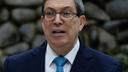
Cuban Foreign Minister Bruno Rodriguez asserted that U.S. sanctions are directly causing deaths and making life "almost unbearable" for the island nation's approximately nine million inhabitants. He highlighted severe shortages of food, fuel, medicine, and electricity, all exacerbated by the ongoing economic downturn.
American sanctions are causing deaths on Cuba, making life almost unbearable for this island nation of about nine million inhabitants.
Rodriguez expressed pessimism regarding recent negotiations with the United States, stating they have yielded little hope for lifting sanctions that heavily burden Cuba's struggling economy. He noted that while American delegations' conduct was "principally correct," it was accompanied by "constant threats" and "coercive measures" against Cuba's independence.
Despite these challenges, Rodriguez affirmed Cuba's continued openness to dialogue and peaceful resolution of differences, emphasizing the need for "mutual respect and non-interference in Cuba's internal affairs." The U.S. State Department did not immediately respond to a request for comment. The U.S. has previously labeled the Cuban government a national security threat, maintaining sanctions are necessary to achieve a long-standing policy goal of regime change.
Negotiations between Cuba and the U.S. have shown no progress.
Rodriguez also accused the U.S. State Department of pressuring and intimidating UN member states to postpone an upcoming debate on the U.S. "blockade" of the island. This debate, scheduled for July 7, typically precedes a symbolic, non-binding UN vote urging the U.S. to end its sanctions. The UN has voted for 31 years, most recently in November 2025, to call for the U.S. to lift its decades-long trade embargo, with the U.S. and Israel consistently voting against it. This year's vote holds particular significance for Cuba following the Trump administration's imposition of a fuel blockade and new sanctions in January, which have led to a decline in foreign investment and a near-total collapse of tourism.
Despite this, Cuba remains open to dialogue and the peaceful resolution of differences, based on mutual respect and non-interference in Cuba's internal affairs.
DistantNews Editorial
Originally published by Večernji List in Croatian. Translated, summarized, and contextualized by our editorial team with added local perspective. Read our editorial standards.
More Stories


From Our Blog

What Gets Lost (and Found) When News Is Translated

The Critical Role of Diaspora Media in Global News

What Travellers Should Know About Countries with Restricted Press

A Digital Nomad's Guide to Following Local News

How the Same Story Looks Different in Different Countries
