


Cultural Engagement Linked to Younger Physiological Age in Older Adults
Translated from Korean, summarized and contextualized by DistantNews.
At a glance
News
Sources not specified
Context piece
- Engaging in cultural activities like visiting cinemas, museums, and theaters may help older adults maintain better physical health, a study suggests.
- Researchers found that individuals aged 50 and over who regularly participated in cultural events had physiological ages about three years younger than those who did not.
- The findings suggest that cultural engagement could be a valuable public health strategy for promoting healthy aging.
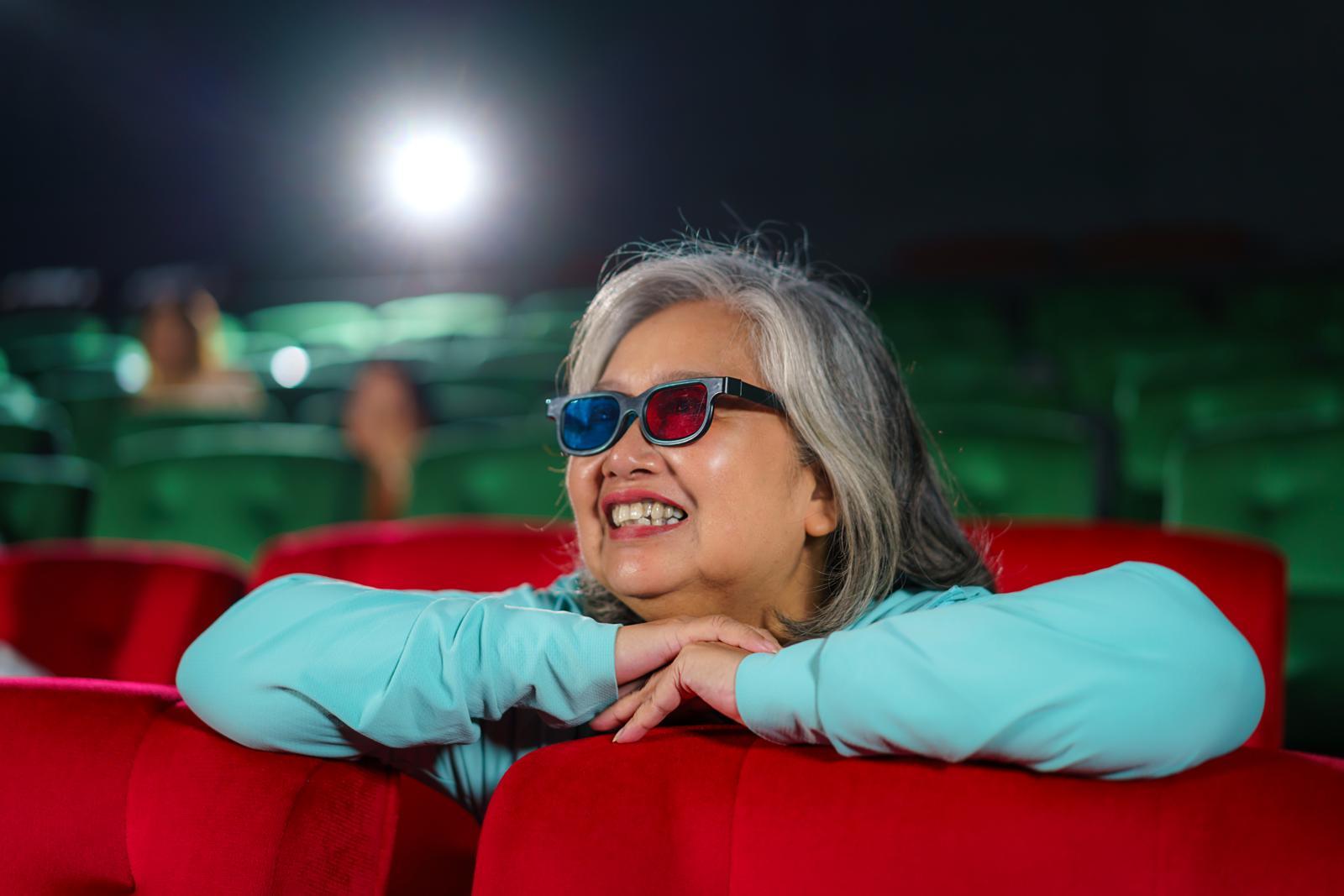
Regularly engaging in cultural activities such as visiting cinemas, museums, art galleries, and theaters could contribute to healthier aging, according to new research. A study analyzing data from nearly 1,900 British adults aged 50 and over revealed that those who frequently participated in cultural events exhibited physiological ages approximately three years younger than their less engaged counterparts.
The research, published by ScienceDaily, utilized data from the English Longitudinal Study of Ageing. Participants were tracked over several years, with their physiological age assessed using ten health indicators. These included measures like pulse pressure, diastolic blood pressure, lung function, hemoglobin levels, and walking speed. Cultural engagement was quantified by the frequency of visits to cinemas, museums, galleries, and performing arts venues.
After accounting for various factors such as household income, employment status, and chronic health conditions, the link between cultural participation and younger physiological age persisted. The study indicated that for every one-point increase in cultural activity score, physiological age decreased by an average of about 31 days. Researchers theorize that cultural activities may enhance social connections, improve mental well-being, and encourage healthier lifestyle habits, all of which can collectively influence physical function and slow down the aging process.
While the study highlights a significant association, the researchers caution that it is observational and does not definitively prove that cultural activities directly slow aging. It remains possible that healthier individuals are more inclined to participate in cultural events. Nevertheless, the team suggests that promoting cultural engagement could be a viable public health strategy, potentially offering health benefits comparable to regular physical activity. They propose that increasing access to cultural facilities could be a novel approach to supporting healthy aging, though further research is needed to confirm long-term health improvements.
DistantNews Editorial
Originally published by Dong-A Ilbo in Korean. Translated, summarized, and contextualized by our editorial team with added local perspective. Read our editorial standards.
More Stories


From Our Blog

What Gets Lost (and Found) When News Is Translated

The Critical Role of Diaspora Media in Global News

What Travellers Should Know About Countries with Restricted Press

A Digital Nomad's Guide to Following Local News

How the Same Story Looks Different in Different Countries
