

Culture department addresses controversial dialogue in 'Island of Miss' play
Translated from Vietnamese, summarized and contextualized by DistantNews.
At a glance
News
Named sources
Under investigation
- Ho Chi Minh City's Department of Culture and Sports is reviewing controversial dialogue in the play "Island of Miss" after public backlash.
- The department stated that while improvisation is allowed in live theater, it must remain within the approved script's framework and not violate laws or cause offense.
- The play's organizers are responsible for ensuring the performance aligns with the approved content and legal regulations.
Ho Chi Minh City's Department of Culture and Sports is investigating controversial dialogue in the play "Island of Miss" following public outcry. The department confirmed it is reviewing the play's content after receiving feedback from audiences and media.
According to regulations, performance proposals require a script or program content for approval. While the department reviews these submissions, it acknowledges that live theater can involve spontaneous variations in delivery, pacing, or dialogue compared to the script. However, such improvisations must not alter the play's core message, violate legal provisions, or negatively impact the audience.
Improvisation and creativity during performance are elements that can arise in the practice of theater, but improvisation must remain within the framework of the approved work, not change its nature, ideology, or main message, and must not add or incorporate content that violates legal regulations or causes offense and negatively impacts the public.
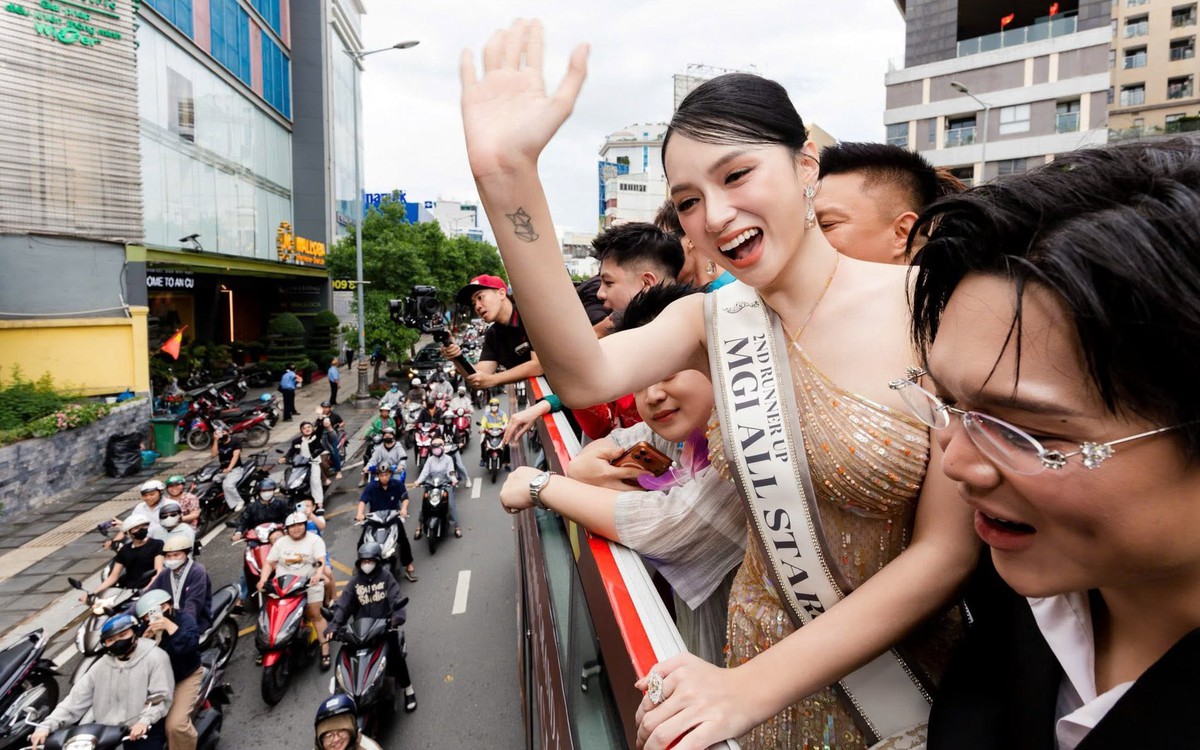
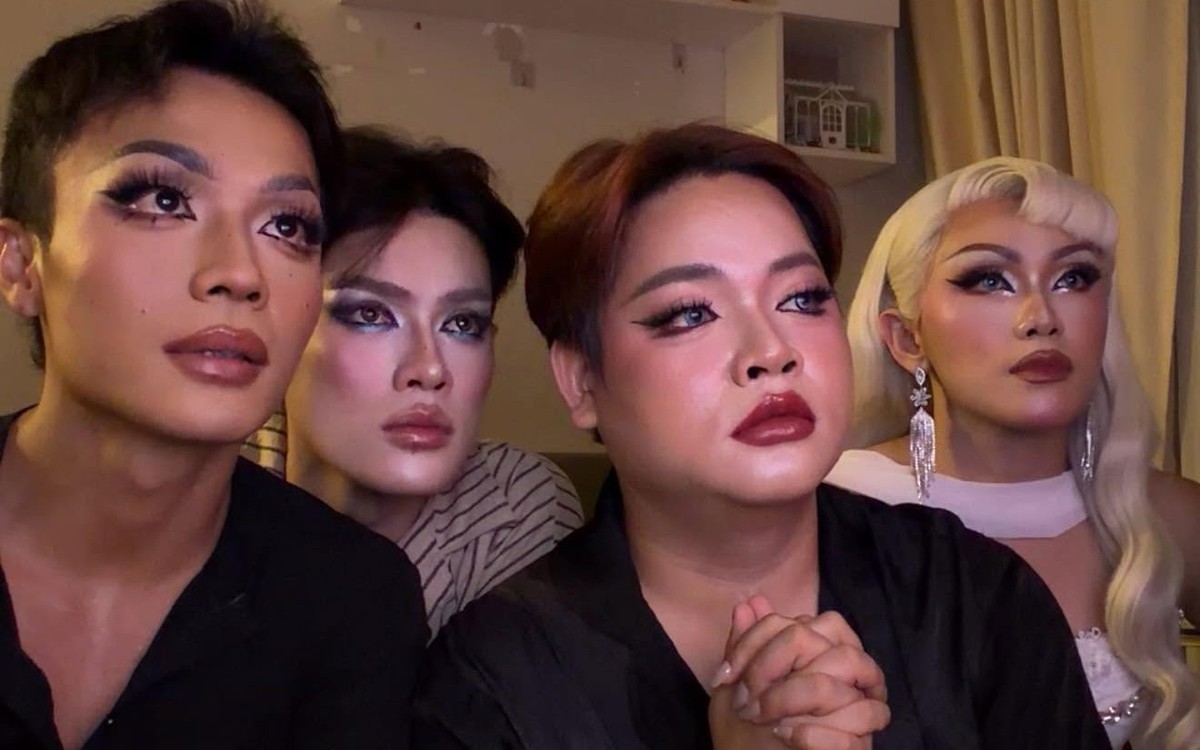
The controversy centers on a scene where two characters, Bé Bơ and Cục Bột, use suggestive language that audiences interpreted as alluding to sensitive nicknames of beauty queens Kỳ Duyên and Thiên Ân. The line, "Hông ấy chị móc em đi..." (roughly, "Why don't you hook me..."), which then leads to "móc tai" (hooking ears), was seen by many as intentionally provocative and suggestive of inappropriate content.
The department emphasized that the organizers and responsible individuals must ensure the actual performance aligns with the approved content and are accountable for any violations. It is currently working with relevant agencies to objectively assess the situation and determine appropriate measures.
The organizers, the person responsible for the program content, and the individuals involved are responsible for ensuring that the actual performance content is consistent with the approved content and are legally liable for the entire performance content.
DistantNews Editorial
Originally published by Tuổi Trẻ in Vietnamese. Translated, summarized, and contextualized by our editorial team with added local perspective. Read our editorial standards.
More Stories


From Our Blog

What Gets Lost (and Found) When News Is Translated

The Critical Role of Diaspora Media in Global News

What Travellers Should Know About Countries with Restricted Press

A Digital Nomad's Guide to Following Local News

How the Same Story Looks Different in Different Countries
