

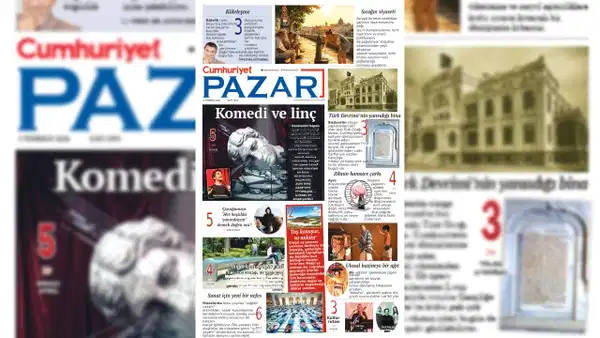
Cumhuriyet Pazar This Week: Humor, Slavery, Climate Politics, and More
Translated from Turkish, summarized and contextualized by DistantNews.
At a glance
In-depth
Sources not specified
Context piece
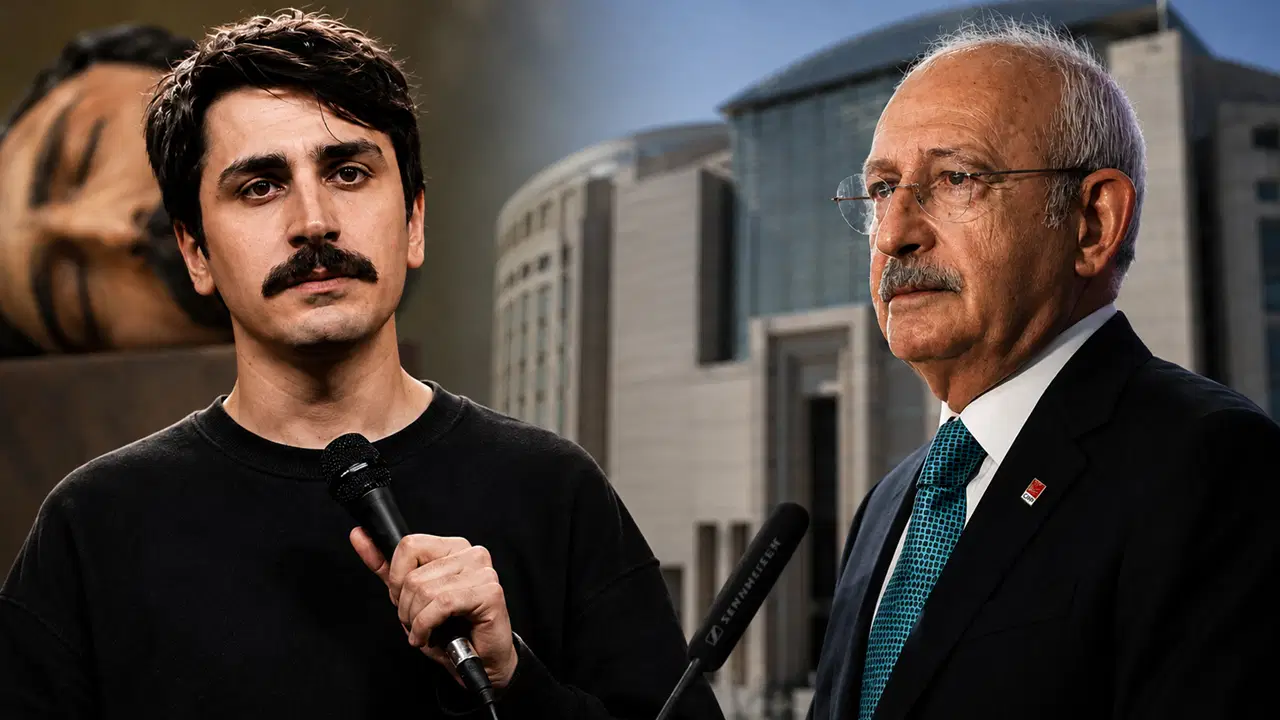
- This week's Cumhuriyet Pazar features discussions on the relationship between humor and freedom of expression, following an investigation into comedian Deniz Göktaş.
- Articles explore modern concepts of slavery, the politics of extreme heat in Europe, and the use of wellness practices in museums.
- Other topics include the exclusionary nature of architecture, the psychological effects of repetitive thoughts, and a review of a Japanese Kabuki play.
This week's edition of Cumhuriyet Pazar delves into a diverse range of compelling topics, opening with a discussion on the intersection of humor and freedom of expression. An investigation into comedian Deniz Göktaş has reignited debates about the boundaries of satire and its relationship with free speech, prompting a re-examination of these critical concepts.
The publication also tackles the enduring relevance of slavery, exploring both historical and modern interpretations of servitude and voluntary enslavement. In parallel, it examines the political ramifications of extreme heatwaves gripping Europe, highlighting how climate change and the subsequent debates over air conditioning are shaping the political agenda.
Further articles explore innovative approaches in cultural institutions, such as museums incorporating wellness practices like meditation and yoga to redefine visitor engagement. The issue of exclusionary design in architecture is also addressed, analyzing how elements from simple benches to urban squares can dictate who can access and utilize public spaces.
The edition further investigates the internal "echo chambers" of the mind, detailing how repetitive thoughts can negatively impact mood, stress levels, sleep quality, and overall brain health. A lyrical tribute to Japanese theater reviews "Kokuho," a Kabuki play depicting an orphan's journey to becoming a national treasure through visually stunning storytelling. Additionally, the publication highlights the historical significance of the Old Turkish Hearth building, which witnessed the cultural and social transformations of the Turkish Republic, and discusses the importance of fostering resilience in children by addressing challenges constructively.
DistantNews Editorial
Originally published by Cumhuriyet in Turkish. Translated, summarized, and contextualized by our editorial team with added local perspective. Read our editorial standards.
More Stories

From Our Blog

What Gets Lost (and Found) When News Is Translated

The Critical Role of Diaspora Media in Global News

What Travellers Should Know About Countries with Restricted Press

A Digital Nomad's Guide to Following Local News

How the Same Story Looks Different in Different Countries
