

 Image: MAFRA
Cutting unemployment benefits will push people into bad jobs, while retraining is lacking, sociologist says
Translated from Czech and summarized by DistantNews. Read the original for the full story.
At a glance
Interview
Named sources
New plan
- The Czech government plans to reduce unemployment benefits again next year, prompting concern about the effects on job seekers.
- Sociologist Daniel Prokop says higher benefits do not clearly cause people to remain unemployed longer, but they give them more time to find suitable work.
- He argues that low benefits can force people to accept any job and that insufficient retraining leaves skills underused.
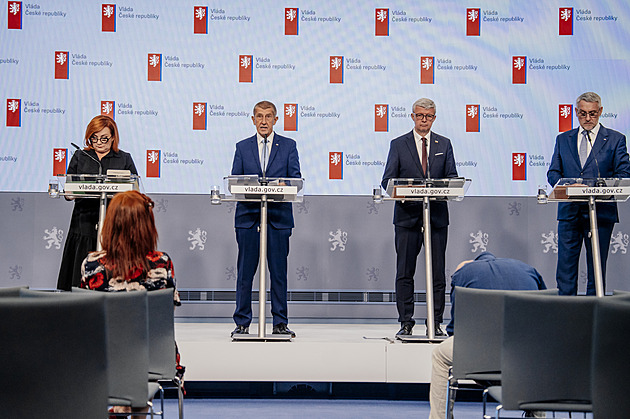
Lower unemployment benefits could push job seekers into unsuitable work after only a short period, sociologist Daniel Prokop says, as the Czech government prepares to reduce support again next year.
Prokop, the founder of the Czech research organization PAQ Research, questions whether more generous benefits actually encourage people to stay unemployed for longer. In his view, the more important effect is that adequate support gives them better opportunities to find work that matches their abilities.
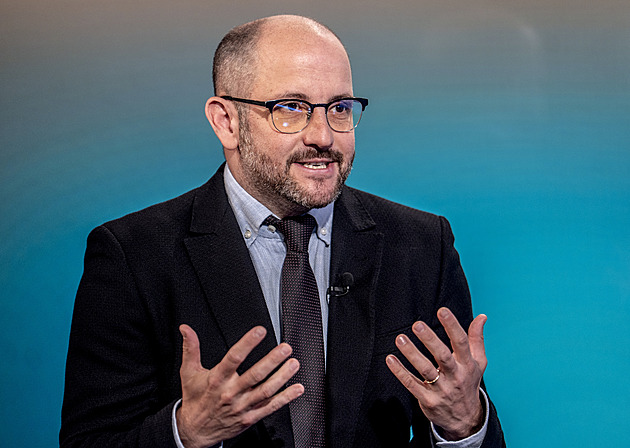
“When unemployment benefits are low, people are financially on the edge after just one month and have to accept any job. Failing to use people’s talents is worse for the economy than one month of benefits,” Prokop told iDNES.cz.
His argument also points to a lack of retraining opportunities. If people cannot rely on support while acquiring new skills, they may have little choice but to take the first available job, even when it does not make good use of their experience or potential. The debate therefore concerns not only the duration of unemployment, but also the quality of the work people eventually accept.
When unemployment benefits are low, people are financially on the edge after just one month and have to accept any job. Failing to use people’s talents is worse for the economy than one month of benefits.
About this summary
Originally published by iDNES in Czech. Translated, summarized, and contextualized automatically by DistantNews, with a note on how the source frames the story. Not individually reviewed before publishing. How this works.
More Stories



From Our Blog

What Gets Lost (and Found) When News Is Translated

The Critical Role of Diaspora Media in Global News

What Travellers Should Know About Countries with Restricted Press

A Digital Nomad's Guide to Following Local News

How the Same Story Looks Different in Different Countries
