


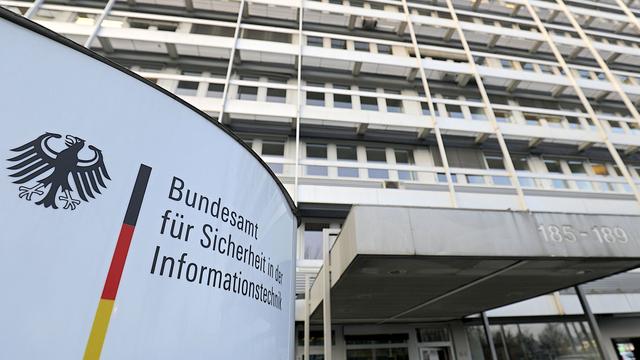

Cyberattack on Berlin administration prompts warning of election interference
Translated from German and summarized by DistantNews. Read the original for the full story.
At a glance
Newswire
From a news agency
Ongoing story
- The Federal Office for Information Security warned that data leaked after a cyberattack on Berlin’s administration could fuel false information campaigns before the Sept. 20 election.
- The Rhysida hacking group demanded 30 bitcoin, worth about 2 million euros, before releasing a 5.8-terabyte data package on the dark web.
- Authorities warned that hack-and-leak operations can spread damaging information out of context and undermine trust in candidates and institutions.
Germany’s Federal Office for Information Security has warned that data stolen from Berlin’s administration could be used to influence public opinion ahead of the city’s Sept. 20 election.
The warning followed the release of sensitive administrative data by the hacking group Rhysida. A BSI spokesperson said the leak created “various risks for those affected and ultimately for society.” The agency also warned of further attacks.
The BSI specifically highlighted hack-and-leak operations before elections. Such campaigns can distribute compromising or discrediting material on social media, potentially placing it in a false context. Their stated aim is to weaken trust in candidates and institutions and influence public opinion.
Rhysida reportedly took the Berlin administration’s data on Aug. 14 and demanded a ransom of 30 bitcoin, equivalent to around 2 million euros. After the Berlin Senate said it would not pay, the group released a 5.8-terabyte data package on the dark web on Friday.
The report said the story was continuing to be updated.
There are now various risks for those affected and ultimately for society.
About this summary
Originally published by Die Zeit in German. Translated, summarized, and contextualized automatically by DistantNews, with a note on how the source frames the story. Not individually reviewed before publishing. How this works.
More Stories


From Our Blog

News in Translation: What Gets Lost, and How We Keep the Framing

The Same Story, Different Countries: How Coverage Changes at the Border

Diaspora Media: How Communities Follow News From Home

Traveling Where the Press Is Not Free: How to Read the News There

The Digital Nomad's Guide to Local News
