

Czech Republic Refuses to Fund NATO's Ukraine Aid Pledge
Translated from Turkish, summarized and contextualized by DistantNews.
At a glance
News
Named sources
New plan
- Czech Prime Minister Andrej Babis stated the Czech Republic will not contribute to a €70 billion NATO pledge for Ukraine.
- Babis argued NATO should focus on defense against ballistic missiles, which he sees as the primary threat.
- He noted the Czech Republic, already contributing the least to defense spending among NATO members based on GDP, will meet its commitments but not this specific pledge.
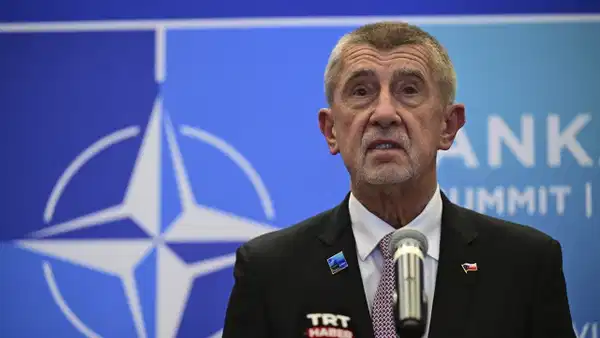
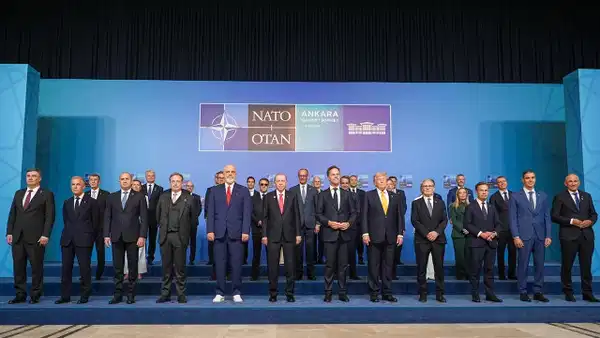
Czech Prime Minister Andrej Babis announced that his country will not contribute to a €70 billion NATO pledge aimed at supporting Ukraine with military equipment, aid, and training. The statement came following the 36th NATO Summit held in Ankara, Turkey.
Babis asserted that NATO's primary focus should be on defense against ballistic missiles, identifying them as the main threat to European security. He indicated that while the Czech Republic will fulfill its existing defense spending commitments, it will not participate in this particular financial pledge for Ukraine.
We will not contribute to this amount.
"We will not contribute to this amount," Babis stated, emphasizing his view on the alliance's priorities. He also mentioned that the Czech Republic is expected to allocate 2% of its GDP to defense next year, not this year, while still doing its best within current capabilities.
Babis noted that the Czech Republic has the lowest defense spending as a percentage of GDP among NATO members, which led to him being the last to speak at the meeting. The NATO Summit's final declaration included the commitment from allies to provide €70 billion for Ukraine in 2026 and maintain a similar level of support in 2027.
I don't think it's realistic.
DistantNews Editorial
Originally published by Cumhuriyet in Turkish. Translated, summarized, and contextualized by our editorial team with added local perspective. Read our editorial standards.
More Stories
From Our Blog

What Gets Lost (and Found) When News Is Translated

The Critical Role of Diaspora Media in Global News

What Travellers Should Know About Countries with Restricted Press

A Digital Nomad's Guide to Following Local News

How the Same Story Looks Different in Different Countries
