


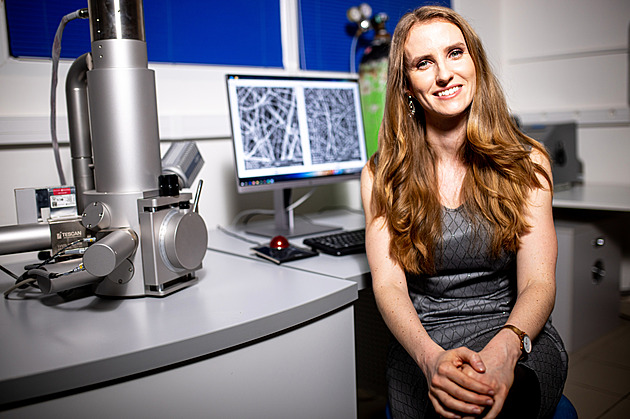
Czech scientist develops innovative self-adhering nanoplaster for intestinal surgery
Translated from Czech, summarized and contextualized by DistantNews.
At a glance
In-depth
Sources not specified
Context piece
- Czech scientist Markéta Hujerová is developing a self-adhering nanoplaster for intestinal surgery.
- The plaster uses nanofiber technology to attach to intestinal tissue and aid healing.
- Following successful preclinical tests, the technology is moving towards initial clinical studies.
Czech scientist Markéta Hujerová has left a secure position to pursue her innovative idea: a special nanoplaster designed for intestinal surgery. Developed at the Technical University of Liberec, this unique material utilizes nanofibers to create a self-adhering plaster that attaches directly to intestinal tissue, promoting faster and more effective healing.
The nanoplaster's innovative design addresses a critical need in surgical recovery. By naturally adhering to the tissue, it minimizes the risk of displacement and provides a stable environment for the healing process. This technology holds significant promise for patients undergoing intestinal operations, potentially reducing complications and improving patient outcomes.
After achieving promising results in preclinical tests, Hujerová and her team are now focused on advancing the technology towards its first clinical studies. This crucial next step will involve testing the nanoplaster in human patients, paving the way for its potential widespread adoption in surgical practice.
DistantNews Editorial
Originally published by iDNES in Czech. Translated, summarized, and contextualized by our editorial team with added local perspective. Read our editorial standards.
More Stories

From Our Blog

What Gets Lost (and Found) When News Is Translated

The Critical Role of Diaspora Media in Global News

What Travellers Should Know About Countries with Restricted Press

A Digital Nomad's Guide to Following Local News

How the Same Story Looks Different in Different Countries
