



Danes spend less on food, but government pushes costly VAT proposal
Translated from Danish and summarized by DistantNews. Read the original for the full story.
At a glance
News
Sources not specified
Context piece
- Danes are spending a smaller percentage of their household budget on food compared to 45 years ago, with housing, sports, culture, and IT equipment seeing increased spending.
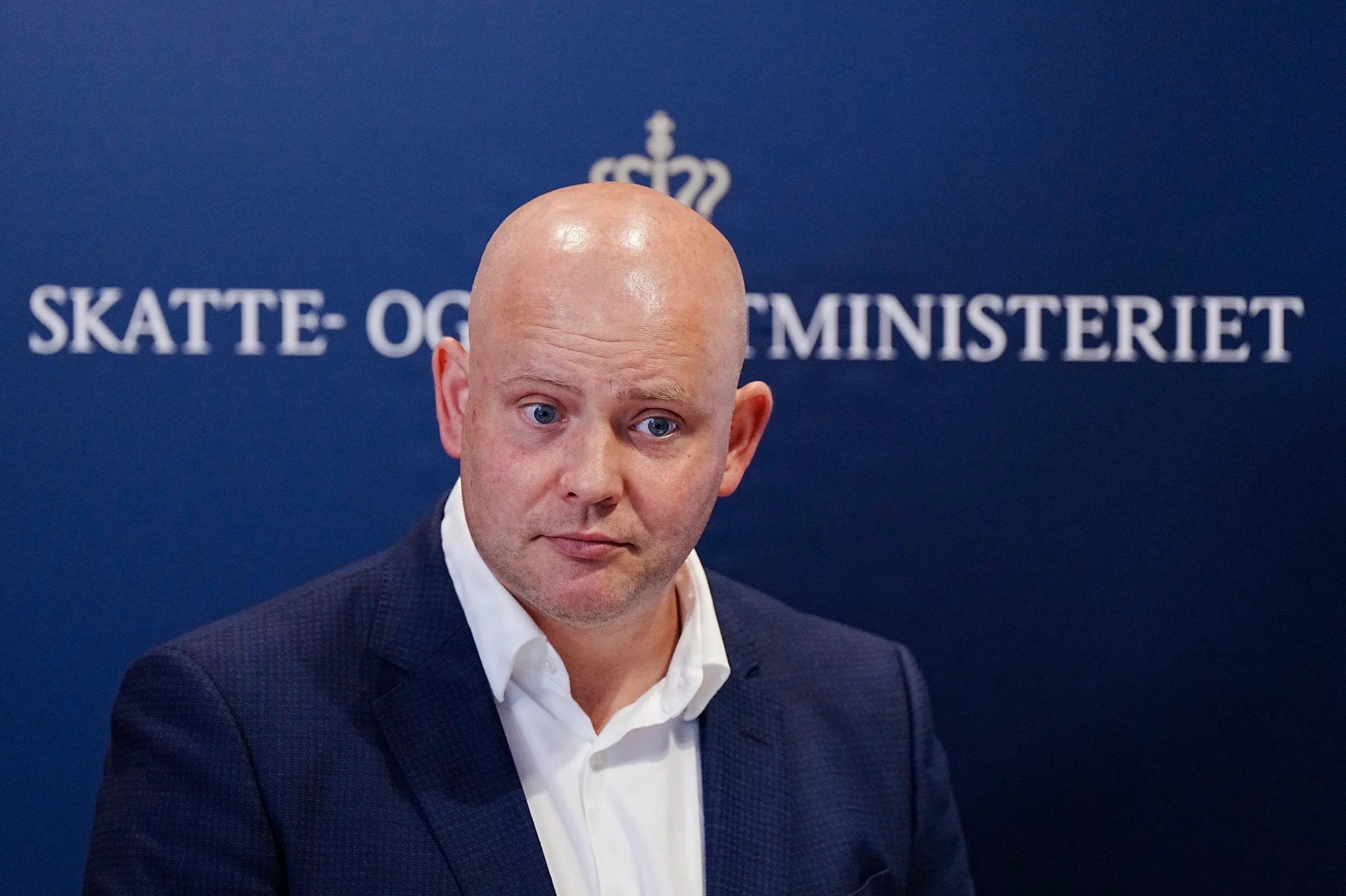
- Despite this trend, the government is proceeding with a costly VAT proposal, which top economists criticize as misguided.
- Economists suggest alternative uses for the 17 billion kroner, arguing they would better benefit Danish consumers' finances.
Danes are allocating a progressively smaller share of their household budgets to food purchases, a trend observed over the last 45 years. This shift means that fluctuations in food prices have a diminished impact on family finances compared to previous decades.
Instead of food, Danish consumers are directing more of their spending towards other categories, notably housing. Significant increases in expenditure are also seen in areas such as sports, culture, and the purchase of IT equipment.
Despite this evolving consumer behavior, the government remains committed to a multi-billion kroner VAT proposal. This persistence has drawn sharp criticism from leading economists, who argue the policy is out of step with current spending patterns and economic realities.
These economists propose alternative uses for the 17 billion kroner, suggesting that such funds could be allocated more effectively to benefit Danish consumers directly. They contend that the government's current plan does not align with the best interests of the Danish economy or its citizens' financial well-being.
About this summary
Originally published by Berlingske in Danish. Translated, summarized, and contextualized automatically by DistantNews, with a note on how the source frames the story. Not individually reviewed before publishing. How this works.
More Stories


From Our Blog

What Gets Lost (and Found) When News Is Translated

The Critical Role of Diaspora Media in Global News

What Travellers Should Know About Countries with Restricted Press

A Digital Nomad's Guide to Following Local News

How the Same Story Looks Different in Different Countries
