


Dangerous caterpillars plague German regions, posing health risks
Translated from German, summarized and contextualized by DistantNews.
At a glance
News
From a news agency
Context piece
- Oak processionary moth caterpillars are increasingly infesting parks and trees in Bremen and Lower Saxony, Germany.
- Climate change and mild winters are contributing to their proliferation, overwhelming natural predators.
- The caterpillars' fine hairs contain a toxin that can cause severe allergic reactions in humans, including skin and respiratory irritation.
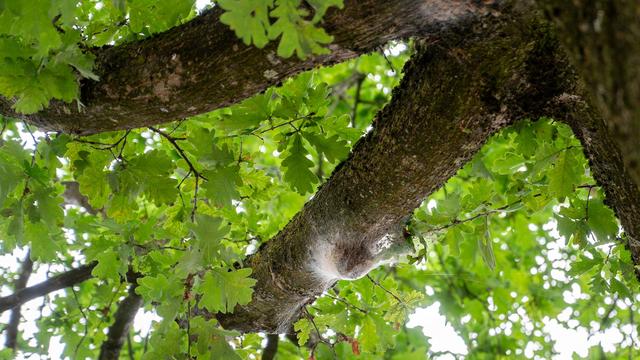
A growing infestation of oak processionary moths is becoming a significant nuisance in parks, along streets, and in playgrounds across Bremen and Lower Saxony, Germany. These seemingly innocuous caterpillars pose a serious health risk due to their microscopic stinging hairs.
Experts attribute the increased prevalence of the oak processionary moth (Thaumetopoea processionea) to climate change and milder winters, which favor their reproduction. The insects thrive in warm, dry conditions, and their natural enemies, such as certain bird species, bats, and wasps, are struggling to keep their populations in check. As a result, entire oak forests, avenues, and city trees can become infested rapidly. While not yet widespread across all of Lower Saxony, the moth is increasingly appearing in regions like Wendland, Emsland, and Lüneburger Heide. The Lower Saxony Ministry of Health reported mass outbreaks in northwestern Germany for several consecutive years, with Bremen alone recording over 5,800 cases this season, a sharp increase from around 900 cases last year.
The danger lies not in the adult moths, which emerge in late summer, but exclusively in the caterpillars. Their bodies are covered in fine hairs containing the protein thaumetopoein, which can trigger severe allergic reactions in humans. These hairs detach easily and can spread via the wind, meaning direct contact with the caterpillars is not necessary to experience adverse effects. Even dead stinging hairs remain potent in their nests for months, posing a risk through autumn and winter.
Symptoms of exposure can range from skin irritation, redness, and pustules to eye irritation, conjunctivitis, and respiratory problems like coughing and asthma attacks. In rare cases, severe allergic reactions, including anaphylactic shock, can occur. While everyone should avoid contact, children playing outdoors are particularly vulnerable due to their inability to assess the risk. Individuals with allergies or asthma are at higher risk, as are forestry workers, gardeners, and municipal employees who have regular contact with infested trees.
Since several years, mass outbreaks have occurred repeatedly in northwestern Germany.
DistantNews Editorial
Originally published by Die Zeit in German. Translated, summarized, and contextualized by our editorial team with added local perspective. Read our editorial standards.
More Stories



From Our Blog

What Gets Lost (and Found) When News Is Translated

How the Same Story Looks Different in Different Countries

The Critical Role of Diaspora Media in Global News

What Travellers Should Know About Countries with Restricted Press

A Digital Nomad's Guide to Following Local News
