


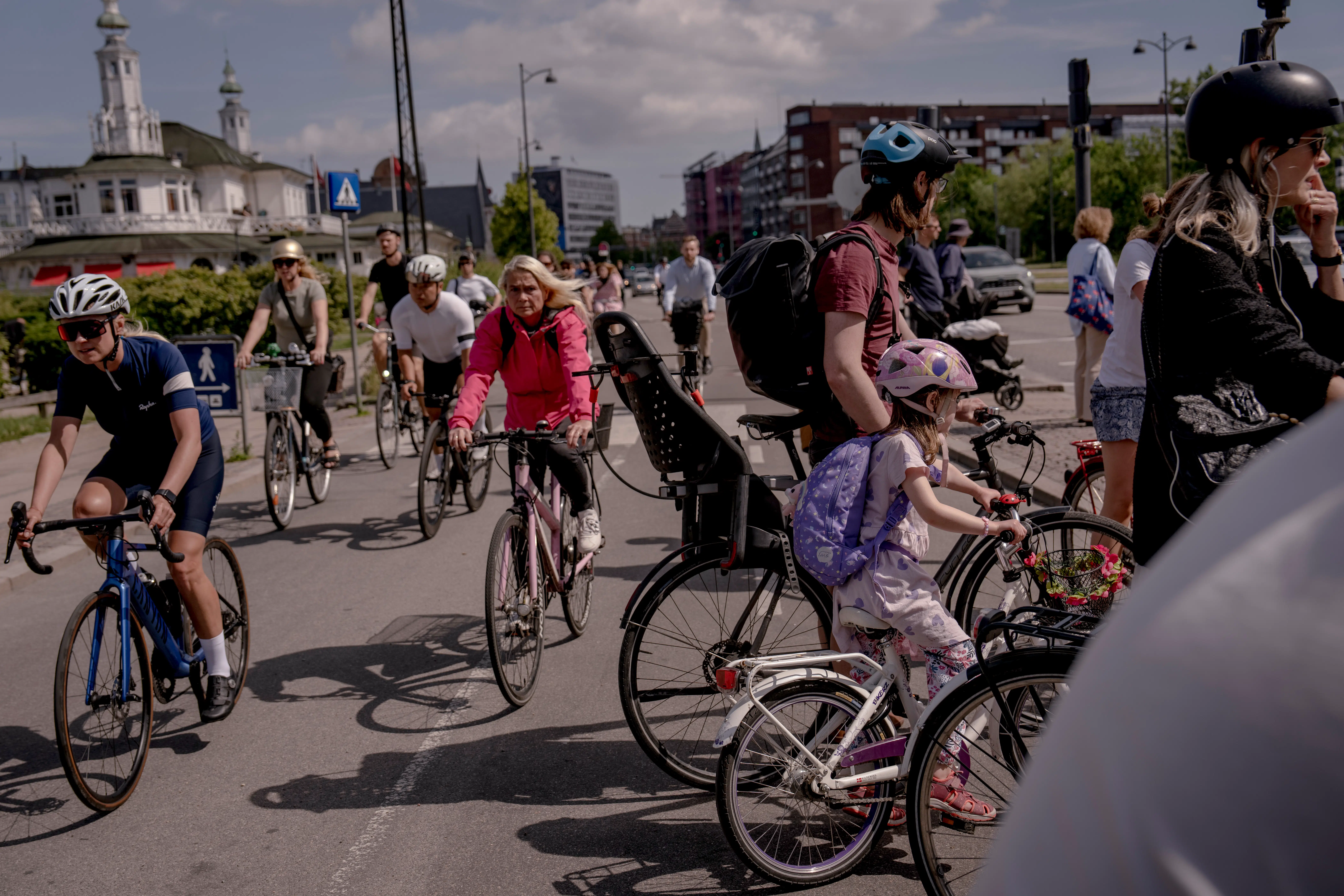
Danish cycling culture is punctured, the chain has come off, and we have a long way home
Translated from Danish, summarized and contextualized by DistantNews.
At a glance
Analysis
Sources not specified
Context piece
- Danish cycling culture is declining, with fewer young people using bikes for commuting.
- This trend persists despite high fuel prices and living costs, raising concerns about public health and national identity.
- The article criticizes the government's focus on populist measures over long-term strategy for Denmark's economy and welfare.
Danish cycling culture is facing a significant decline, with a noticeable drop in young people using bicycles for their daily commutes, according to a recent analysis.
The study "Danmark i Bevægelse" (Denmark in Motion) by Syddansk Universitet reveals a 16 percent decrease between 2020 and 2025 among individuals aged 15-19 who cycled to education or work at least once weekly. A similar 11 percent drop was observed in the 20-29 age group.
This trend is occurring despite historically high fuel prices and living costs, prompting questions about the lack of incentive for sustainable and health-promoting transportation. The author, a physiotherapy student, expresses concern that the decline in cycling culture signifies a loss of Danish identity and a detriment to public health.
Furthermore, the article critiques the current government's approach, suggesting a focus on populist initiatives rather than a cohesive long-term strategy for Denmark's economic security and welfare. The author points to the handling of the mink industry and the agricultural sector as examples of what they deem unreasonable and detrimental policies.
The piece argues that while ensuring clean groundwater and proper animal welfare is crucial, the current approach, involving multiple ministries and perceived public animosity towards agriculture, is counterproductive. The author believes that the agricultural sector, responsible for producing food and occupying a significant portion of Denmark's land, is being unfairly targeted.
DistantNews Editorial
Originally published by Berlingske in Danish. Translated, summarized, and contextualized by our editorial team with added local perspective. Read our editorial standards.
More Stories



From Our Blog

What Gets Lost (and Found) When News Is Translated

The Critical Role of Diaspora Media in Global News

What Travellers Should Know About Countries with Restricted Press

A Digital Nomad's Guide to Following Local News

How the Same Story Looks Different in Different Countries
