


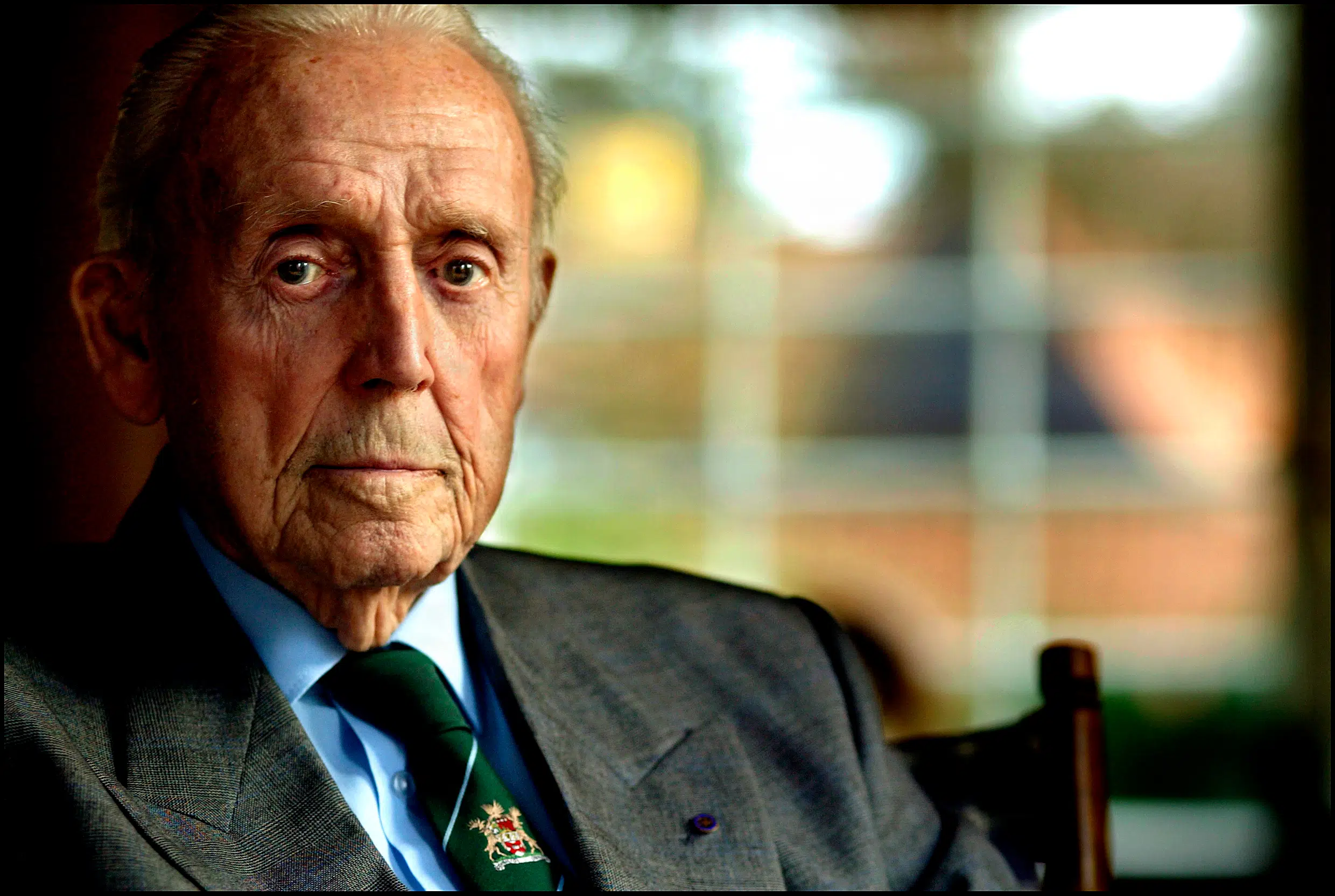
Danish doctor revolutionized medicine with original idea – now Copenhagen should honor him
Translated from Danish, summarized and contextualized by DistantNews.
At a glance
News
Sources not specified
Context piece
- A Danish doctor, Bjørn Aage Ibsen, is credited with revolutionizing medical science and founding modern pre-hospital treatment.
- Ibsen established the world's first intensive care unit in Copenhagen in 1954 and pioneered manual respiration techniques during a polio epidemic.
- Despite his significant contributions, Copenhagen has not yet honored Ibsen with a street or public space name, a fact noted with disappointment by a journalist.
Bjørn Aage Ibsen, a towering figure in Danish medicine, laid the groundwork for modern pre-hospital care and intensive treatment, yet his legacy remains unacknowledged in Copenhagen's public spaces.
Ibsen, Denmark's first professor of anesthesiology, championed the idea that if patients cannot reach the hospital, the hospital must come to them. This philosophy underpins the advanced medical equipment found in today's ambulances, effectively turning them into mobile hospitals. His pioneering work extended to establishing the world's first true intensive care unit at Copenhagen Municipal Hospital in 1954, which he also led.
During the severe polio epidemic that struck Copenhagen between 1952 and 1953, Ibsen's courage and innovative methods were instrumental in saving hundreds of lives. He defied established authorities to introduce manual respiration techniques for children suffering from respiratory paralysis. For months, young medical students, under his guidance, manually supplied oxygen to critically ill children, a testament to Ibsen's skill and originality.
If the patient cannot immediately get to the hospital, the hospital must come to the patient.
This groundbreaking work garnered international acclaim, earning Bjørn Ibsen and Danish medicine significant respect. Foreign anesthesiologists visiting Copenhagen often inquire about a street or square named in his honor. However, they are met with the disappointing news that Copenhagen's city council has inexplicably failed to recognize a man who saved countless lives and placed Danish medical research on the global map.
While official recognition has been lacking, Ibsen received profound personal validation. At a medical conference in Copenhagen, an unknown woman approached him, kissed his cheek, and simply said, "Thank you for my life," before departing. Ibsen lived from 1915 to 2007.
Thank you for my life
DistantNews Editorial
Originally published by Berlingske in Danish. Translated, summarized, and contextualized by our editorial team with added local perspective. Read our editorial standards.
More Stories


From Our Blog

What Gets Lost (and Found) When News Is Translated

The Critical Role of Diaspora Media in Global News

What Travellers Should Know About Countries with Restricted Press

A Digital Nomad's Guide to Following Local News

How the Same Story Looks Different in Different Countries
