


Danish experts back expanding burqa ban amid identity concerns
Translated from Danish, summarized and contextualized by DistantNews.
At a glance
News
Sources not specified
Context piece
- Danish experts support expanding the burqa ban, with some initially mistaking the situation for an error.
- The debate centers on educators' inability to read faces and verify the identity of students wearing niqabs and burqas.
- This discussion arises amid broader political debates in Denmark regarding a new generation of social media-savvy politicians.
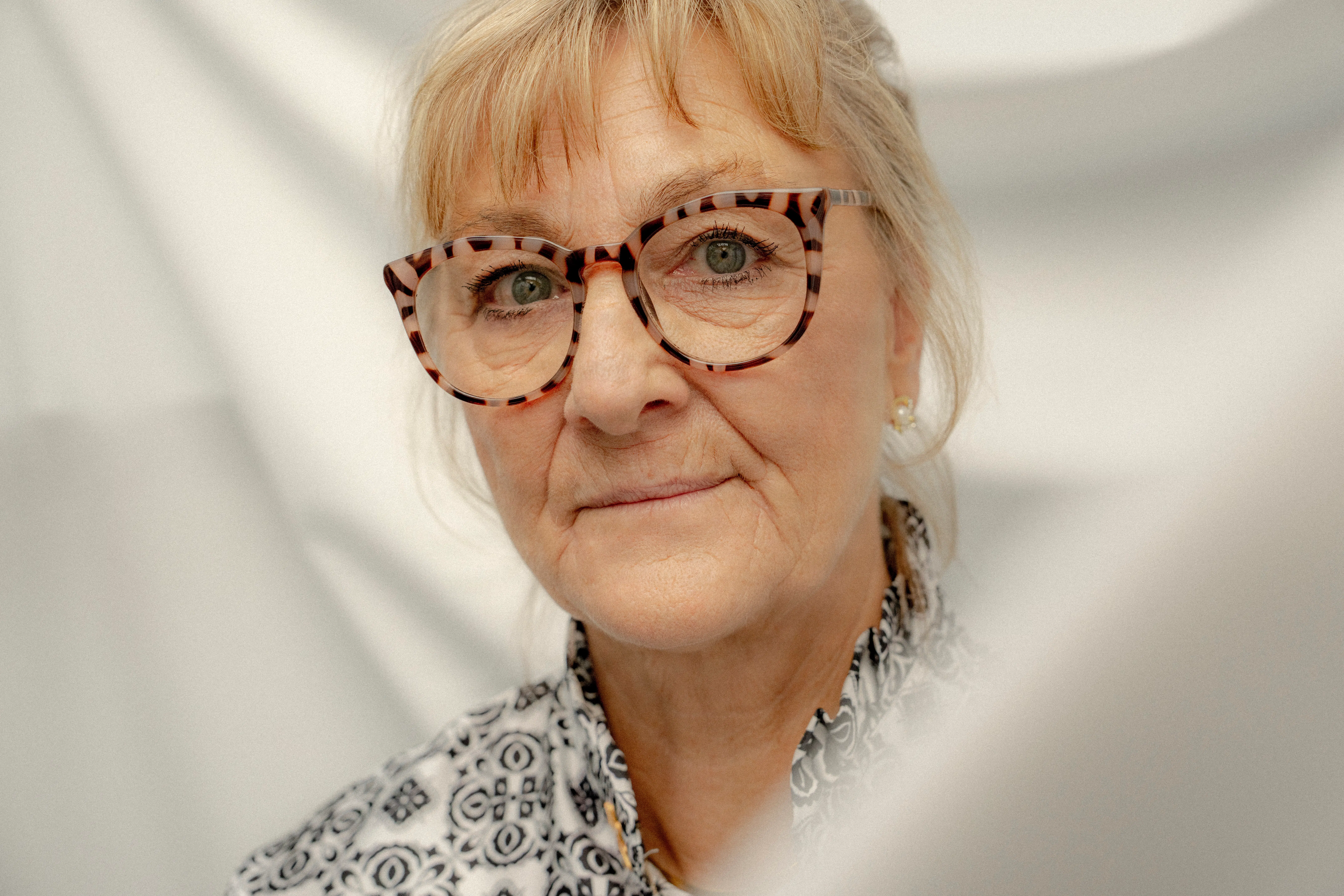
Danish experts are voicing support for an expansion of the country's burqa ban, a move that has sparked considerable debate. The initial reaction from some, like Anita Johnson, was disbelief, mistaking the scenario of educators facing veiled students for a simple error.
The core of the concern revolves around the practical challenges posed by face coverings in educational settings. Educators report an inability to read students' facial expressions, which hinders effective communication and assessment. Furthermore, there are concerns about verifying the identity of individuals attending educational programs, questioning whether the students are indeed women.
When Anita Johnson first heard about educators sitting opposite women wearing niqabs and burqas, she thought it must be a mistake.
This discussion about religious attire in public spaces is occurring against a backdrop of wider political discourse in Denmark. The country is currently grappling with debates surrounding a new cohort of politicians who are highly active on social media. This generational and digital shift in politics is also fueling discussions about representation and the nature of political engagement.
The teachers could not read their faces, and they had no idea if they were actually women attending the education, she says.
DistantNews Editorial
Originally published by Berlingske in Danish. Translated, summarized, and contextualized by our editorial team with added local perspective. Read our editorial standards.
More Stories

From Our Blog

What Gets Lost (and Found) When News Is Translated

The Critical Role of Diaspora Media in Global News

What Travellers Should Know About Countries with Restricted Press

A Digital Nomad's Guide to Following Local News

How the Same Story Looks Different in Different Countries
