


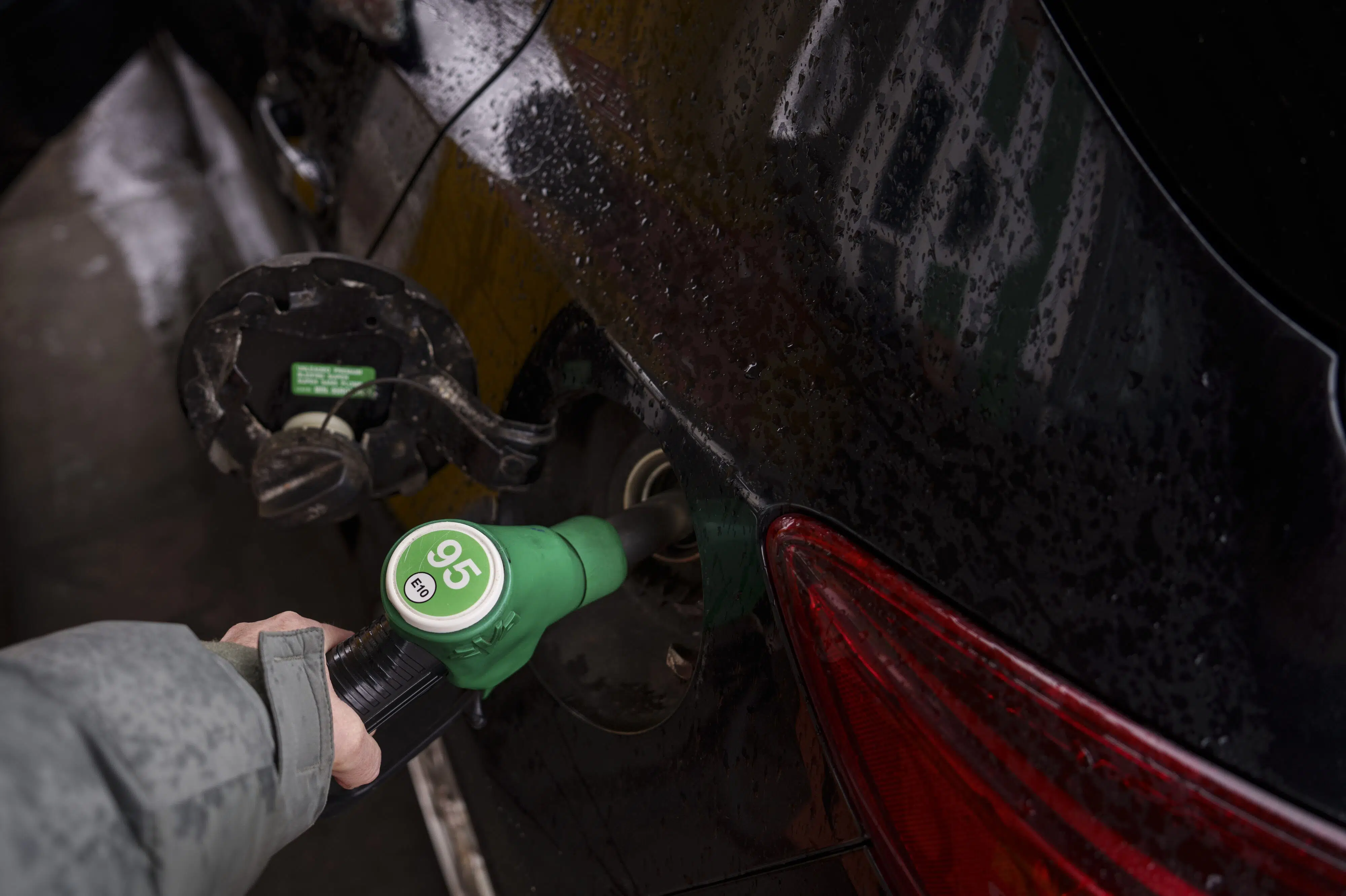
Danish gas station sales fall for third month amid high fuel prices
Translated from Danish, summarized and contextualized by DistantNews.
At a glance
News
From a news agency
Context piece
- Sales at Danish gas stations selling liquid fuels have declined for three consecutive months, with a 7.1% drop from April to May after adjusting for price and seasonal changes.
- This trend is attributed to the conflict in the Middle East, which significantly increased fuel prices earlier in the year, leading to a 23% rise in nominal spending at stations.
- Despite higher overall spending, the real consumption of fuel has fallen by 18% since February, though overall Danish retail sales saw a 1.0% increase in May.
Danish gas stations selling liquid fuels have experienced a sales slump for the third month running. Data from Statistics Denmark reveals a 7.1% decrease in sales from April to May, once price fluctuations and seasonal variations are accounted for.
In nominal terms, 23 percent more money is being spent at gas stations compared to February, which is due to fuel prices rising quite noticeably in the period.
This downturn is closely linked to the conflict in the Middle East, which previously sent fuel prices soaring. While nominal spending at gas stations has increased by 23% since February due to higher prices, the actual volume of fuel purchased has dropped by 18% in the same period. Brian Friis Helmer, a private economist at AL Sydbank, noted this significant real consumption decrease.
Despite the decline in fuel sales, the broader Danish retail sector showed resilience. Overall retail sales grew by 1.0% from April to May. Morten Granzau, vice director at Dansk Industri, attributed this growth to high employment, rising real wages, and a lower electricity tax, which collectively put more money in consumers' pockets.
But adjusting for price changes and seasonal fluctuations, the real consumption at gas stations has fallen by 18 percent since February.
The surge in fuel prices began in late February following an escalation of conflict involving Iran. Disruptions to shipping traffic through the Strait of Hormuz, a critical global oil transit route, contributed to price volatility. Although oil prices have since fallen from a peak of around $122 per barrel to $76, the earlier price shock appears to have impacted consumer behavior at the pump.
The high employment, the increase in real wages, and the lower electricity tax ensure customers in the stores who have more money in their hands.
DistantNews Editorial
Originally published by Berlingske in Danish. Translated, summarized, and contextualized by our editorial team with added local perspective. Read our editorial standards.
More Stories


From Our Blog

What Gets Lost (and Found) When News Is Translated

The Critical Role of Diaspora Media in Global News

What Travellers Should Know About Countries with Restricted Press

A Digital Nomad's Guide to Following Local News

How the Same Story Looks Different in Different Countries
