

Danish minister backs EU deportation centers amid coalition dissent
Translated from Danish, summarized and contextualized by DistantNews.
At a glance
News
From a news agency
New plan
- Denmark's immigration minister Morten Bødskov supports the EU's plan for external deportation centers, despite opposition from coalition partners SF and the Social Democrats.
- SF and the Social Democrats voted against the EU's return regulation, citing concerns about legal standards and international conventions.
- Bødskov stated that EU projects of this nature will adhere to all necessary conventions and expects concrete dialogue with a partner country by year's end.
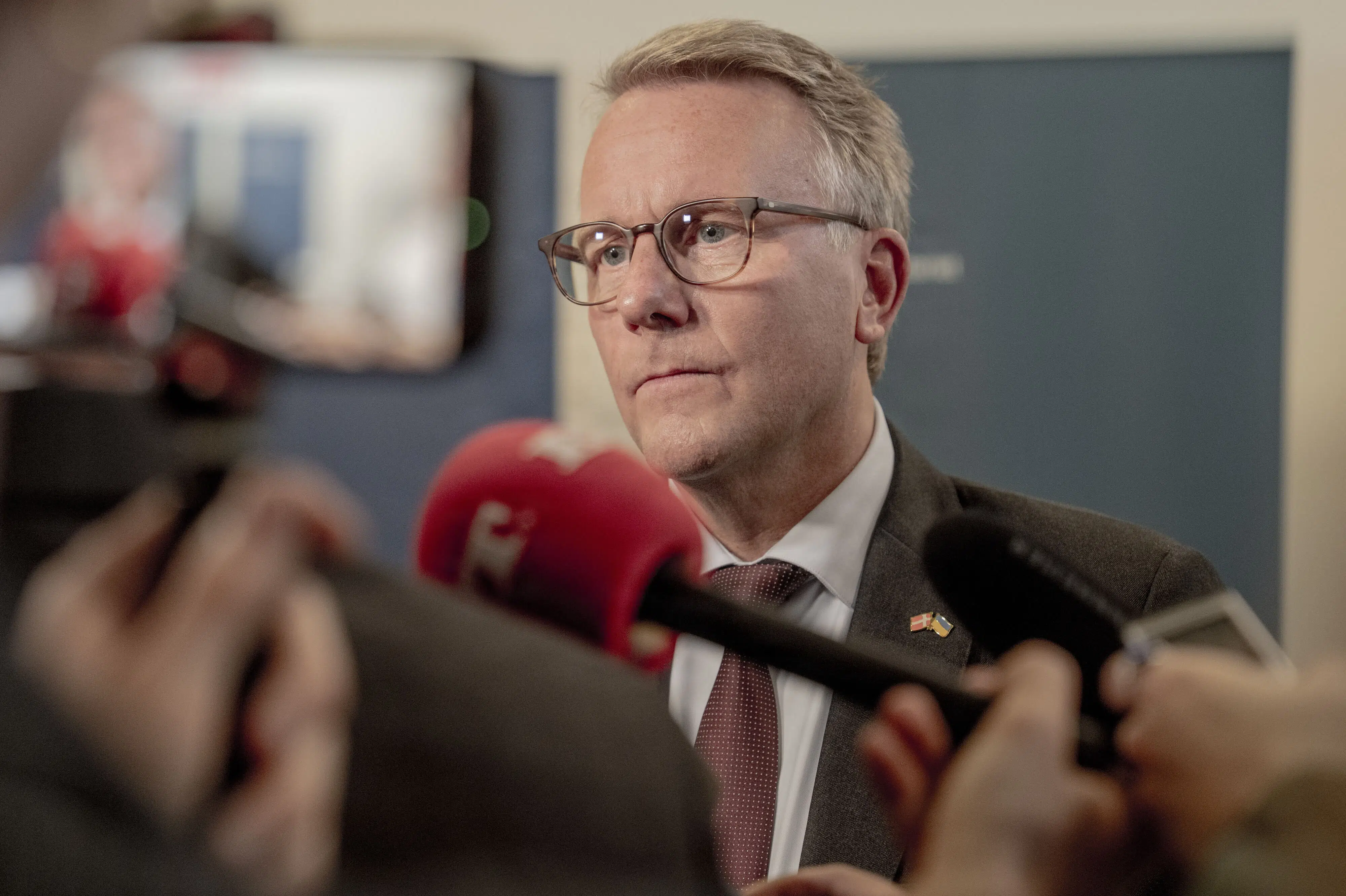
Danish Immigration Minister Morten Bødskov has affirmed the government's commitment to establishing external deportation centers, brushing aside concerns raised by coalition partners SF and the Social Democrats. Both parties voted against an EU return regulation that would facilitate such centers outside the EU, citing worries over legal standards and international conventions.
EU projects of this character will of course comply with the conventions that must be complied with. There is no doubt about that. Therefore, I am happy that there is broad support in the EU for the project.
Bødskov, however, asserted that EU projects of this kind will strictly comply with all relevant conventions. "There is no doubt about that," he stated, expressing satisfaction with broad EU support for the initiative. He anticipates that the EU will engage in "concrete dialogue with a partner country about transferring the first foreigners without legal status" before the year concludes.
The immigration minister addressed the opposition from SF and the Social Democrats, emphasizing that the government's immigration policy is determined by the government itself. "The government's foundation states that we must go this way. Therefore, the government agrees that this is the way we must go," Bødskov explained. He acknowledged that discussions might occur within the EU Parliament, but stressed the government's unified stance on pursuing these deportation centers.
The government's immigration policy is created by the government. The government's foundation states that we must go this way. Therefore, the government agrees that this is the way we must go.
The government's foundational document, co-authored by SF and the Social Democrats, outlines a commitment to "examine concrete opportunities for deportation and reception centers in third countries, respecting EU law and international conventions." While SF and the Social Democrats voted against the specific regulation in the EU Parliament, the other two government parties, the Social Democrats and Moderates, supported it. With the EU Parliament's approval, Denmark and other EU nations can now initiate contact with non-EU countries to host these centers.
In the EU Parliament, one must have one's discussions. But in the government, we are completely clear that we are working for these deportation centers.
DistantNews Editorial
Originally published by Berlingske in Danish. Translated, summarized, and contextualized by our editorial team with added local perspective. Read our editorial standards.
More Stories



From Our Blog

What Gets Lost (and Found) When News Is Translated

The Critical Role of Diaspora Media in Global News

What Travellers Should Know About Countries with Restricted Press

A Digital Nomad's Guide to Following Local News

How the Same Story Looks Different in Different Countries
