


Danish MP to Vote Against Party Line on Fertilization Law
Translated from Danish and summarized by DistantNews. Read the original for the full story.
At a glance
News
From a news agency
Approved/passed
- Danish MP Amanda Heitmann will vote against her party's (Venstre) position on a new fertilization law.
- The law aims to regulate nitrogen emissions from fields into the marine environment to improve its critical condition.
- Heitmann's decision, mirroring that of MP Søren Gade, highlights internal party division over the law's potential economic impact on producers.
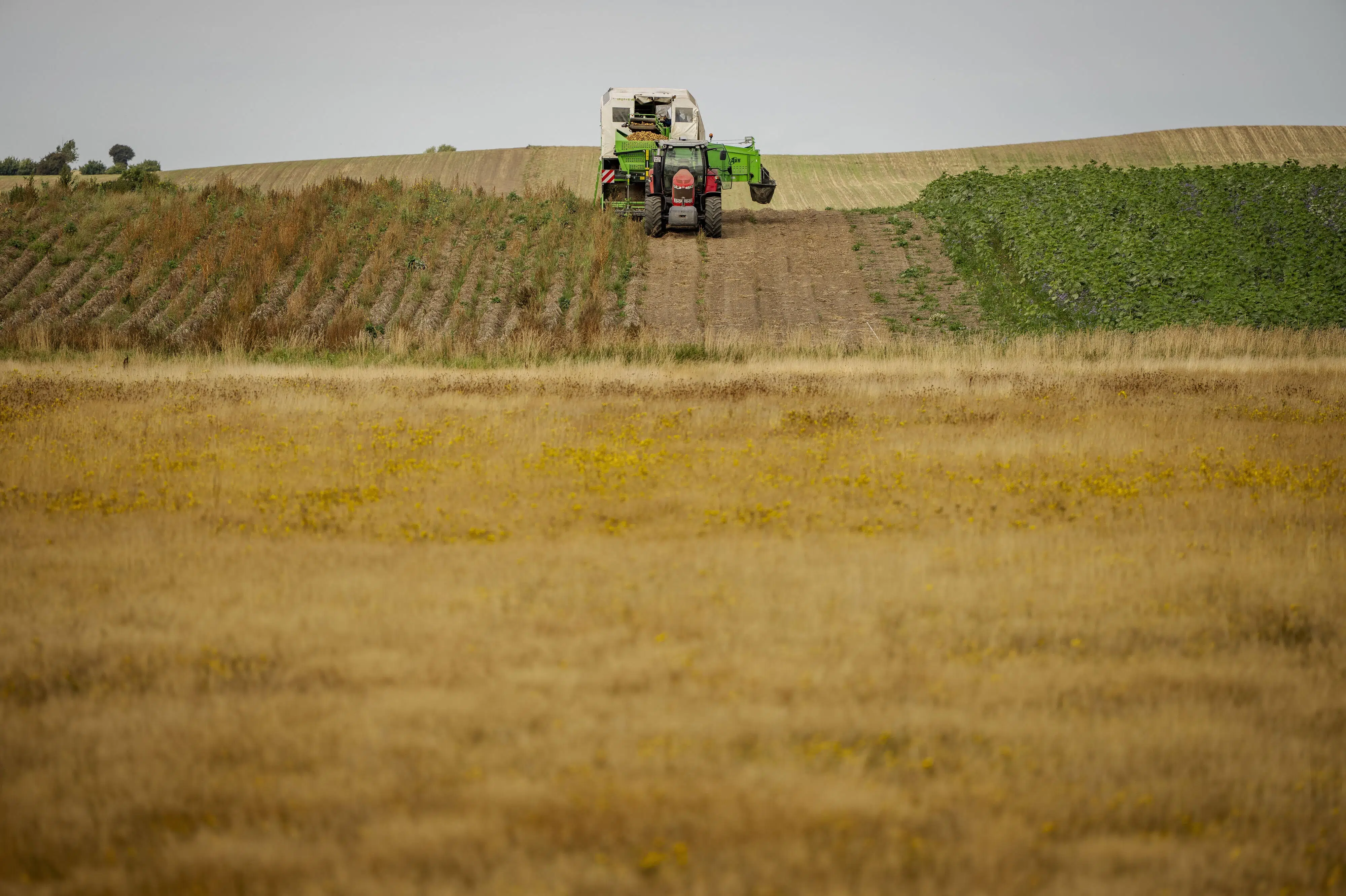
Danish Member of Parliament Amanda Heitmann announced Friday morning that she will vote against the party line, opposing a new fertilization law. Venstre, Heitmann's party, officially supports the legislation, which regulates nitrogen emissions from agricultural fields into the marine environment. Heitmann's decision aligns with that of fellow Venstre MP Søren Gade, who also declared he would vote no.
"I am elected to make politics fit reality, use my own judgment, and be a strong voice for Funen and the islands," Heitmann stated. "Therefore, I will not vote for the new nitrogen regulation." The fertilization law is scheduled for a vote in Parliament next week. Despite Venstre's involvement in negotiating the bill, the issue is now causing a split within the party.
I am elected to make politics fit reality, use my own judgment, and be a strong voice for Fyn and the islands. Therefore, I will not vote for the new nitrogen regulation.
The core of the fertilization law involves setting new limits on how much nitrogen farmers can discharge from their fields into the sea. The objective is to improve the marine environment, which is described as being in a critical state. However, the measure has drawn criticism for potentially hitting vegetable producers particularly hard, with experts warning of significant economic consequences that could lead to higher prices for Danish vegetables.
Heitmann expressed concern that the law directly impacts farmers' livelihoods. "For many farmers and other business owners, it is concretely about whether their business can continue to exist, whether the next generation can take over, and whether jobs, investments, and production can remain in Denmark," she wrote on Facebook. While Venstre leadership acknowledges the difficult situation, they have argued that influencing the law from within is preferable to standing on the sidelines. This internal dissent, however, suggests that not all members are convinced by this approach.
For many farmers and other business owners, it is concretely about whether their business can continue to exist, whether the next generation can take over, and whether jobs, investments, and production can remain in Denmark.
About this summary
Originally published by Berlingske in Danish. Translated, summarized, and contextualized automatically by DistantNews, with a note on how the source frames the story. Not individually reviewed before publishing. How this works.
More Stories

From Our Blog

What Gets Lost (and Found) When News Is Translated

The Critical Role of Diaspora Media in Global News

What Travellers Should Know About Countries with Restricted Press

A Digital Nomad's Guide to Following Local News

How the Same Story Looks Different in Different Countries
