


Danish Parliament to erect memorial plaque for WWII deportees
Translated from Danish, summarized and contextualized by DistantNews.
At a glance
News
Sources not specified
New plan
- The Danish Parliament's Presidium has decided to erect a memorial plaque for all Danes deported during the German occupation from 1940-1945.
- Approximately 6,100 Danes were deported, with about 10% dying as a result, including resistance fighters, police, and those targeted for their beliefs.
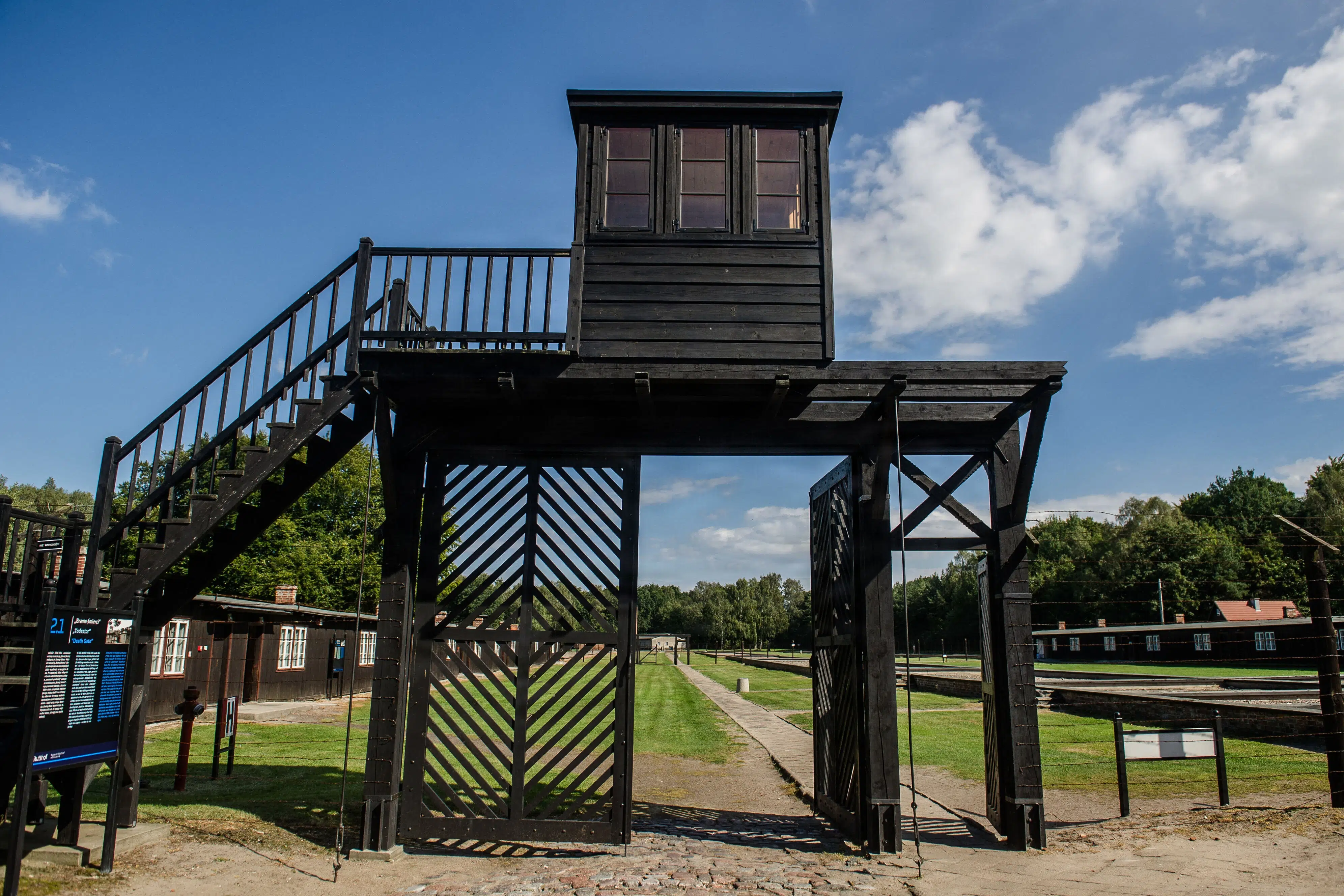
- A specific group, Danish communists deported to Stutthof concentration camp, has advocated for official recognition, with some of them perishing in the camp.
The Danish Parliament's Presidium will install a memorial plaque to honor all Danes deported during the German occupation of Denmark between 1940 and 1945. The decision aims to remember those who lost their lives or suffered during this dark chapter of Danish history.
World War II is a dark chapter in Danish history, where thousands of Danes were deported, and many lost their lives. I am therefore very pleased that a unanimous presidium wishes to erect a memorial plaque for all deported.
Parliamentary Speaker Søren Gade stated that the unanimous decision reflects a desire to commemorate resistance fighters, police officers, and individuals persecuted for their religious or political beliefs. Historians estimate that around 6,100 Danes were deported, and approximately 10% of them died as a consequence.
It applies to both resistance fighters and police officers and those who were arrested solely because of their religious or political beliefs.
The specific placement, design, and inscription of the plaque are yet to be decided by the Presidium. However, the Horserød-Stutthof Association has long sought official recognition for 350 Danish communists interned in 1941 under the Communist Law. Some of these individuals were later deported to the Stutthof concentration camp, where 21 died.
We think, of course, that all deported people deserve a memorial plaque.
Albert Scherfig, a spokesperson for the association, acknowledged that all deported individuals deserve remembrance. However, he emphasized that the Danish communists were deported as a direct result of a decision made by the Danish Parliament, distinguishing their case.
But not everyone, like the Danish communists, was deported as a result of a decision made by the Danish Parliament.
DistantNews Editorial
Originally published by Berlingske in Danish. Translated, summarized, and contextualized by our editorial team with added local perspective. Read our editorial standards.
More Stories



From Our Blog

What Gets Lost (and Found) When News Is Translated

The Critical Role of Diaspora Media in Global News

What Travellers Should Know About Countries with Restricted Press

A Digital Nomad's Guide to Following Local News

How the Same Story Looks Different in Different Countries
