

Danish unions criticize rules for anonymizing vulnerable staff names
Translated from Danish, summarized and contextualized by DistantNews.
At a glance
News
Sources not specified
Context piece
- Several Danish unions criticize rules that require healthcare workers to experience a specific threatening, violent, or harassing incident before their names can be anonymized.
- The current rules demand a new incident within 90 days for anonymization to be extended, a policy unions deem insufficient for employee safety.
- Danish Regions acknowledges the criticism but balances employee safety with the principle of openness in the healthcare system.
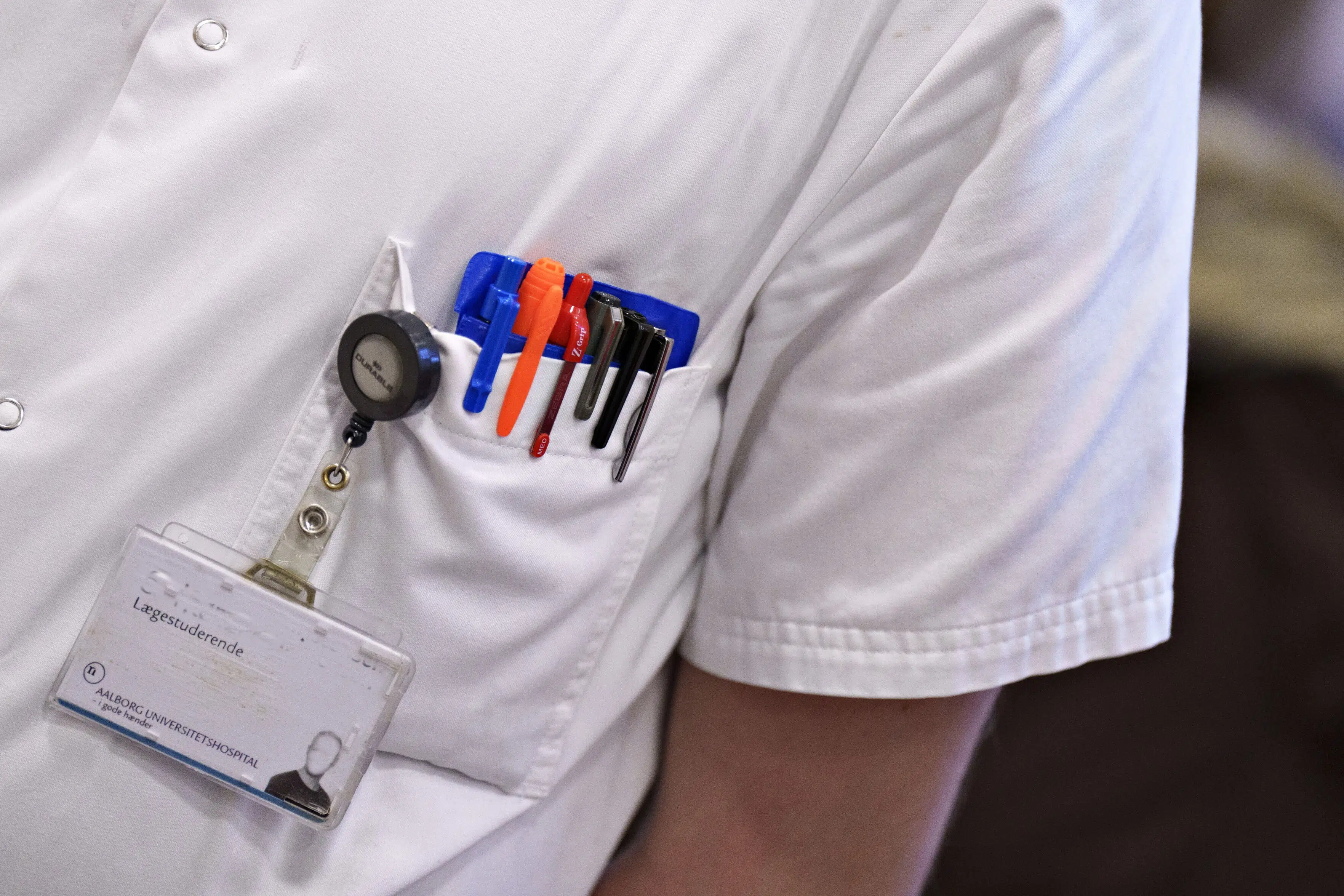
Danish unions are voicing strong criticism against current regulations that govern the anonymization of healthcare workers' names. The rules, as reported in Kristeligt Dagblad, stipulate that staff must endure a concrete threatening, violent, or harassing incident from a patient or relative before their names can be obscured.
This policy is considered insufficient by the unions, as it requires more than just an employee feeling unsafe. Furthermore, if an anonymization is granted, it must be extended by a new incident occurring within a 90-day window. This strict requirement is a point of contention for those advocating for greater staff protection.
I can understand the criticism to some extent, but I also have to say that what makes this difficult is that there are two considerations.
Lars Gaardhøj, deputy chairman of Danish Regions, acknowledged the unions' concerns. He stated that while he understands the criticism to some extent, the situation is complicated by the need to balance two important considerations: the safety of healthcare employees and the fundamental principle of openness within the healthcare system.
Beyond individual anonymization, a department-based anonymization also exists. This measure obscures all employee names within a specific unit. A review by Kristeligt Dagblad indicates that this department-level anonymization is primarily implemented in forensic psychiatry and secure wards across the country's regions.
One concerns the employees' safety, but then there is also the consideration of the openness we have in the healthcare system. That is very important and, in fact, a fundamental principle.
DistantNews Editorial
Originally published by Berlingske in Danish. Translated, summarized, and contextualized by our editorial team with added local perspective. Read our editorial standards.
More Stories



From Our Blog

What Gets Lost (and Found) When News Is Translated

The Critical Role of Diaspora Media in Global News

What Travellers Should Know About Countries with Restricted Press

A Digital Nomad's Guide to Following Local News

How the Same Story Looks Different in Different Countries
